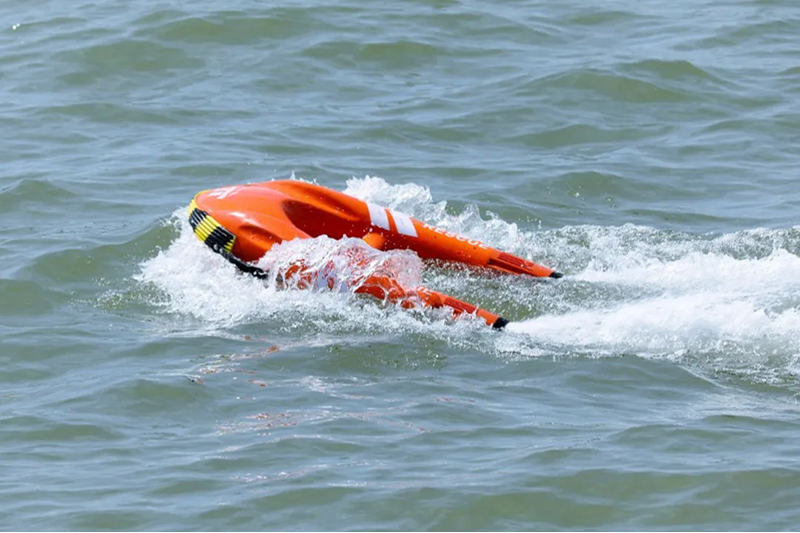
สำหรับผู้ประกอบการเรือสกูตเตอร์น้ำเชิงพาณิชย์ การรักษาประสิทธิภาพของระบบขับเคลื่อนให้คงที่เป็นระยะเวลานานนั้นถือเป็นสิ่งจำเป็นอย่างยิ่ง ประสิทธิภาพของมอเตอร์มีผลโดยตรงต่ออัตราการลดลงของพลังงานแบตเตอรี่ สกูตเตอร์ที่สามารถรักษาประสิทธิภาพได้ไม่ต่ำกว่า 85% ตลอดระยะเวลาการใช้งานอย่างต่อเนื่องเป็นเวลาสองชั่วโมง จะช่วยลดการสูญเสียพลังงานลงประมาณ 18% เมื่อเทียบกับรุ่นมาตรฐาน ความสามารถในการควบคุมทิศทาง (maneuverability) ที่ดีนั้นต้องอาศัยอัตราส่วนแรงขับต่อน้ำหนัก (thrust-to-weight ratio) ที่สูงกว่า 2:1 ซึ่งช่วยรักษาความมั่นคงของตัวเครื่องแม้ขณะบรรทุกน้ำหนักประมาณ 120 กิโลกรัม ระบบจัดการความร้อนที่ติดตั้งไว้ภายในเครื่องจักรเหล่านี้ยังมีบทบาทสำคัญอย่างยิ่งในสภาพอากาศร้อน ซึ่งโดยทั่วไปมักส่งผลให้ประสิทธิภาพการทำงานลดลง ในการเลือกใบพัด ผู้ประกอบการจำเป็นต้องพิจารณาประสิทธิภาพการใช้งานภายใต้สภาวะน้ำที่แตกต่างกัน เนื่องจากน้ำเค็มและน้ำจืดมีความหนาแน่นต่างกัน ซึ่งส่งผลต่อประสิทธิภาพของแรงขับ (thrust efficiency) ตามระยะเวลาการใช้งาน
อายุการใช้งานแบตเตอรี่ที่ผู้ผลิตระบุไว้มักลดลง 30–40% ในการปฏิบัติงานเชิงพาณิชย์ เนื่องจากน้ำหนักบรรทุก แรงต้านคลื่น และการใช้งานความเร็วสูงอย่างต่อเนื่อง การทดสอบในสนามแสดงให้เห็นว่าสกู๊ตเตอร์ที่ระบุระยะเวลาระบุว่าใช้งานได้ 90 นาที มักให้เวลาการใช้งานจริงเพียง 55–65 นาทีเท่านั้น ระหว่างการฝึกซ้อมการช่วยเหลือหรือการลากอุปกรณ์ ช่องว่างดังกล่าวจำเป็นต้องมีการวางแผนสำรอง—โดยเฉพาะในสถานการณ์ที่พลังงานสำรองถือเป็นสิ่งจำเป็นอย่างยิ่งต่อภารกิจที่เกี่ยวข้องกับความปลอดภัย
ระบบจัดการแรงลอยตัวขั้นสูงช่วยประหยัดพลังงานได้ 15–20% ระหว่างการใช้งานที่ความเร็วต่ำ โดยการปรับค่าการทรงตัวแบบไดนามิกผ่านถังถ่วงน้ำหนักหรือการจัดตำแหน่งของฟอยล์ ผู้ปฏิบัติงานสามารถรักษามุมการลื่นไถลที่เหมาะสมที่สุดได้ด้วยความพยายามของมอเตอร์น้อยที่สุด ความแม่นยำนี้มีความสำคัญยิ่งในบริเวณท่าเรือที่แออัด หรือระหว่างการตรวจสอบใต้น้ำ ซึ่งการเปลี่ยนระดับคันเร่งอย่างฉับพลันจะสิ้นเปลืองพลังงานและทำให้การควบคุมลดลง
สำหรับผู้ประกอบการสกูตเตอร์น้ำมืออาชีพ ระบบแบตเตอรี่ต้องสามารถรักษาสมดุลระหว่างระยะการใช้งานในการปฏิบัติงานกับข้อกำหนดด้านกฎระเบียบและทนทานต่อสภาพแวดล้อมทางทะเลได้เป็นอย่างดี ท่ามกลางการขยายตัวของอุตสาหกรรมการท่องเที่ยวทางทะเลทั่วโลก การเลือกใช้แบตเตอรี่ที่สอดคล้องกับมาตรฐานความปลอดภัยด้านการบินจึงไม่ใช่เรื่องเสรีภาพในการตัดสินใจอีกต่อไป—แต่เป็นพื้นฐานสำคัญสำหรับการจัดการโลจิสติกส์อย่างไร้รอยต่อ
แบตเตอรี่ลิเธียมที่มีความจุไม่เกิน 160 วัตต์-ชั่วโมงจะไม่อยู่ภายใต้ข้อบังคับสินค้าอันตรายของ IATA ทำให้สามารถนำออกใช้งานได้ทันทีทั้งในบริการบินเช่าเหมาและฝูงเรือยอชต์ขนาดใหญ่ ขีดจำกัดนี้ช่วยหลีกเลี่ยงความล่าช้าจากการจัดทำเอกสารส่งสินค้า และลดต้นทุนการขนส่งลงได้สูงสุดถึง 40% เมื่อเทียบกับหน่วยแบตเตอรี่ที่มีความจุสูงกว่า—ซึ่งมีความสำคัญอย่างยิ่งต่อการปรับเปลี่ยนตำแหน่งอุปกรณ์กีฬาทางน้ำอย่างยืดหยุ่นระหว่างรีสอร์ทระดับนานาชาติ โดยไม่ต้องเผชิญอุปสรรคจากกระบวนการศุลกากร
แบตเตอรี่ที่ถูกทิ้งไว้ให้สัมผัสกับอากาศเค็มและความชื้นเกิน 90% จะเริ่มเสื่อมสภาพอย่างรวดเร็ว โดยมักจะเกิดขึ้นภายในไม่กี่เดือนเท่านั้น ข่าวดีก็คือ เมื่อเราใช้กล่องบรรจุภัณฑ์ที่ปิดสนิทแบบ hermetically sealed ร่วมกับวัสดุเปลี่ยนสถานะพิเศษ (phase change materials) สำหรับการจัดการความร้อน ประสิทธิภาพจะดีขึ้นมากอย่างเห็นได้ชัด ระบบเหล่านี้สามารถควบคุมอุณหภูมิระหว่างการชาร์จแบบเร็วได้อย่างมีประสิทธิภาพ ทำให้อุณหภูมิของแบตเตอรี่คงอยู่ในช่วงที่เหมาะสมที่สุด คือระหว่าง 25 ถึง 35 องศาเซลเซียส สิ่งนี้หมายความว่าอย่างไรในทางปฏิบัติ? จากผลการทดสอบภาคสนามพบว่า แบตเตอรี่ที่ได้รับการป้องกันดังกล่าวสามารถรักษาความสามารถในการเก็บประจุไว้ได้ประมาณ 95% แม้หลังผ่านกระบวนการชาร์จซ้ำถึง 500 รอบ ในสภาพแวดล้อมที่ร้อนและชื้นเป็นพิเศษ สำหรับบริษัทที่ดำเนินงานกองยานพาหนะ หมายความว่าจะต้องเปลี่ยนแบตเตอรี่น้อยลงอย่างมากในช่วงกลางฤดูกาล และยังคงรักษาสมรรถนะการทำงานที่สม่ำเสมอทุกวันโดยไม่มีการหยุดทำงานผิดคาด
สกูตเตอร์น้ำที่ใช้งานเชิงพาณิชย์จำเป็นต้องได้รับการออกแบบให้ทนต่อการใช้งานอย่างต่อเนื่องในทะเล สกูตเตอร์ที่ดีที่สุดจะใช้อลูมิเนียมเกรดสำหรับงานทางทะเลและส่วนผสมพิเศษของพอลิเมอร์ซึ่งทนต่อความเสียหายจากน้ำเค็มได้ดีกว่าวัสดุทั่วไปมาก สำหรับการกันน้ำนั้น รุ่นที่ผ่านมาตรฐาน IP68 นั้นมีความสามารถเหนือกว่ารุ่นที่ผ่านมาตรฐาน IP67 อย่างมาก โดยอุปกรณ์ระดับพรีเมียมเหล่านี้สามารถทนต่อการจมอยู่ใต้น้ำได้นานขึ้นและลึกขึ้นอย่างปลอดภัย อย่างไรก็ตาม ความท้าทายที่แท้จริงคือการต่อสู้กับการกัดกร่อนแบบไฟฟ้าเคมี (electrolytic corrosion) ซึ่งทำลายชิ้นส่วนโลหะและเป็นสาเหตุหลักของการเสียหายในสถานที่ต่าง ๆ เช่น รีสอร์ทริมชายหาดและปฏิบัติการของหน่วยรักษาชายฝั่ง การพิจารณาตัวเลขการใช้งานจริงจะชี้ให้เห็นประเด็นนี้อย่างชัดเจน สกูตเตอร์ที่มีการป้องกันตามมาตรฐาน IP68 มักต้องเปลี่ยนเปลือกภายนอกน้อยลงประมาณ 40 เปอร์เซ็นต์ในช่วงสามปีของการใช้งานในสภาพแวดล้อมที่มีเกลือ เมื่อเทียบกับรุ่นที่มีมาตรฐานต่ำกว่า
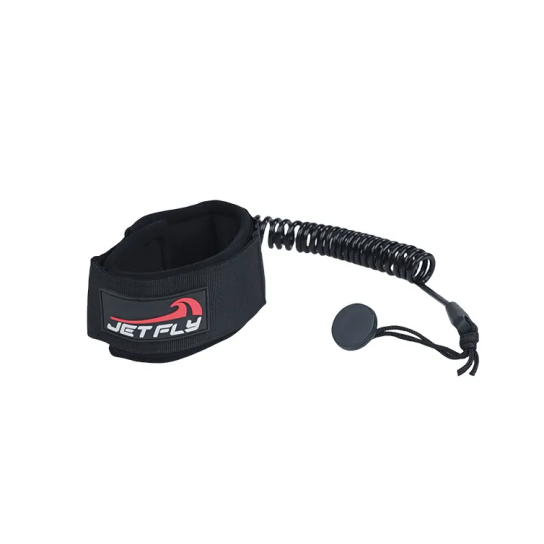
หากไม่มีมาตรการด้านความปลอดภัยที่เหมาะสม ผู้ประกอบการเชิงพาณิชย์จะเผชิญความเสี่ยงทางกฎหมายอย่างรุนแรง ตัวอย่างเช่น เมื่อมีผู้ล้มลง ระบบตัดมอเตอร์อัตโนมัติจะทำงานทันทีเพื่อป้องกันสถานการณ์อันตรายที่เกิดจากการควบคุมสกู๊ตเตอร์น้ำหลุดมือ นอกจากนี้ ยังมีระบบสายรัด (leash systems) ที่ติดตั้งไว้ภายในตัวเครื่องซึ่งจะเริ่มทำงานทันทีที่ผู้ขับขี่แยกออกจากอุปกรณ์ของตน ข้อมูลเชิงประจักษ์ยังสนับสนุนข้อเท็จจริงนี้ด้วย — ผลการทดสอบแสดงว่า ฝาครอบใบพัด (propeller guards) สามารถลดโอกาสเกิดแผลตัดและแผลฉีกขาดได้ประมาณ 90% ในกรณีที่เกิดการชน (อ้างอิงจากวารสารความปลอดภัยทางทะเล ปีที่แล้ว) การรับรองมาตรฐานจากหน่วยงานภายนอก เช่น CE หรือ UL นั้นไม่ใช่เพียงแค่การตรวจสอบตามรายการเท่านั้น แต่การรับรองเหล่านี้ยังช่วยให้ธุรกิจประหยัดค่าประกันภัยได้จริง โดยบางครั้งสามารถลดค่าใช้จ่ายลงได้เกือบหนึ่งในสาม ซึ่งเป็นปัจจัยสำคัญที่ทำให้อุปกรณ์ถูกมองว่าเป็นเพียงของเล่นสำหรับความบันเทิง หรือเป็นการลงทุนเชิงธุรกิจที่แท้จริงซึ่งจำเป็นต้องบริหารจัดการอย่างเหมาะสม
วิธีการบำรุงรักษาได้เปลี่ยนแปลงไปค่อนข้างมากสำหรับผู้ประกอบการที่ดำเนินธุรกิจเชิงพาณิชย์ นับตั้งแต่มีการออกแบบแบบโมดูลาร์เข้ามาใช้งาน ผู้ปฏิบัติงานสามารถเปลี่ยนชิ้นส่วนต่าง ๆ เช่น หัวมอเตอร์ (motor pods) และถาดแบตเตอรี่ (battery trays) ได้ทันที ณ สถานที่ปฏิบัติงานของตน โดยแก้ไขปัญหาได้ภายในเวลาไม่ถึงครึ่งชั่วโมง แทนที่จะต้องรอการจัดส่งเป็นเวลาหลายวัน บริษัททัวร์ทางเรือบางแห่งรายงานว่า ระยะเวลาซ่อมแซมลดลงประมาณสองในสามเมื่อเปลี่ยนมาใช้ระบบโมดูลาร์เหล่านี้ โดยเฉพาะในช่วงเวลาที่มีความเร่งด่วนสูง ซึ่งทุกนาทีมีความสำคัญอย่างยิ่ง แม้แต่พนักงานรีสอร์ทที่ผ่านการฝึกอบรมเพียงเล็กน้อยก็สามารถดำเนินการเปลี่ยนชิ้นส่วนเองได้ในปัจจุบัน พวกเขาสามารถเปลี่ยนขั้วต่อแบบกันน้ำ (waterproof connectors) หรือเปลี่ยนโมดูลแรงผลัก (thrust modules) ที่สึกหรอโดยใช้เครื่องมือมาตรฐานที่มีอยู่ทั่วไปในสถานที่ส่วนใหญ่ ส่งผลให้มีการติดต่อช่างภายนอกน้อยลง เวลาที่ต้องรอการซ่อมแซมน้อยลง และอุปกรณ์โดยรวมมีอายุการใช้งานยาวนานขึ้น แม้จะต้องสัมผัสกับสภาพน้ำทะเลที่กัดกร่อนอย่างต่อเนื่อง
ผู้ผลิตชั้นนำเสนอการรับประกันคุณภาพนาน 3 ปีในระดับสากล ซึ่งผ่านการรับรองตามมาตรฐานความปลอดภัย CE และ UL — สอดคล้องกับความต้องการในการใช้งานจริง criteria หลัก ได้แก่
ระยะเวลาของการรับประกันส่งผลโดยตรงต่อต้นทุนในระยะยาว:
| ระยะเวลาการรับประกัน | ค่าใช้จ่ายเฉลี่ยต่อปีสำหรับการซ่อมแซม | ผลกระทบต่อต้นทุนการเป็นเจ้าของ |
|---|---|---|
| 1 ปี | สูง | เพิ่มขึ้น 18–22% |
| 2 ปี | ปานกลาง | กลาง |
| 3+ years | ต่ำ | ลดลง 15–30% |
ผู้ปฏิบัติงานควรตรวจสอบความคุ้มครองสำหรับการกัดกร่อนจากน้ำเค็มและการเสื่อมสภาพของแบตเตอรี่ ความร่วมมือด้านการบำรุงรักษาเชิงรุกยังช่วยลดต้นทุนรวมในการเป็นเจ้าของรถลงอีกด้วยผ่านการให้บริการแบบคาดการณ์ล่วงหน้า

เราตั้งเป้าหมายที่จะสร้างความตื่นเต้นให้กับอุตสาหกรรมด้วยความคิดสร้างสรรค์อยู่เสมอ ขณะเดียวกันก็มอบมูลค่าการใช้งานที่สูงให้กับลูกค้า Havospark เสมอให้ความสำคัญกับนวัตกรรมเป็นหลักการแรกในการพัฒนาผลิตภัณฑ์
501, Building 1, Boying Building, No.18 Qingshuihe Third Road, Qingshuihe Community, Qingshuihe Sub-District,Luohu District, Shenzhen
Copyright © Shenzhen Hoverstar Innovations Technology Co. , Ltd. All Rights Reserved. นโยบายความเป็นส่วนตัว
 EN
EN


 ข่าวร้อนแรง