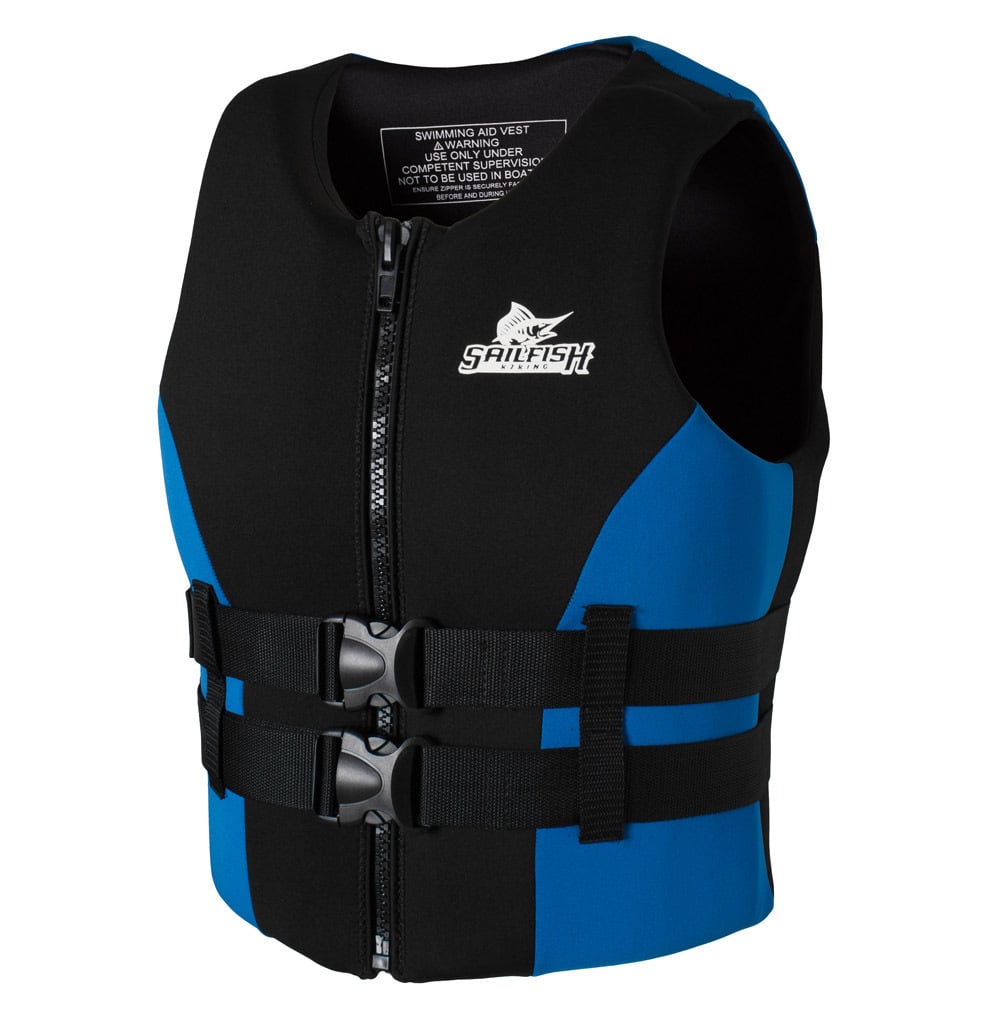
La sécurité lors des opérations de sauvetage en milieu aquatique commence par le port d’un équipement de flottaison individuel adapté. Les gilets de sauvetage de type I (pour eaux côtières et haute mer) procurent environ 9 kg de portance, ce qui fait toute la différence lorsqu’une personne risque de rester pendant des heures en pleine mer, sans possibilité de regagner la terre par ses propres moyens. Selon des données de la Garde côtière américaine, environ 85 % des décès par noyade survenus chez des sauveteurs auraient pu être évités s’ils avaient porté un gilet de sauvetage bien ajusté. Ces statistiques soulignent clairement pourquoi le port d’un gilet de sauvetage de bonne qualité n’est pas seulement recommandé, mais absolument indispensable pour toute personne travaillant à proximité ou sur des plans d’eau.
| Type de gilet de sauvetage | Flottabilité (lbs) | Meilleur usage | Protection Thermique |
|---|---|---|---|
| Type I | 20 | Eaux libres / secours étendu | Élevé |
| TYPE III | 15.5–22 | Eaux intérieures / courants rapides | Modéré |
| Type V | 15.5–22+ | Opérations spécialisées | Variable |
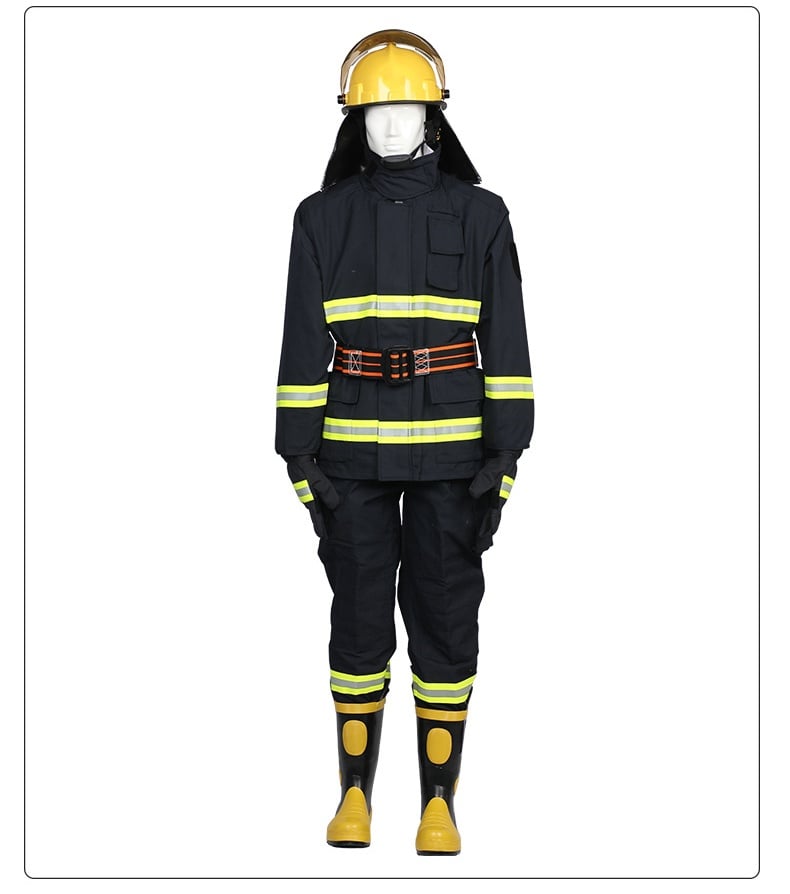
De bons casques de sauvetage aquatique doivent être équipés de sangles robustes sous le menton qui restent bien en place, ainsi que de noyaux en mousse EPS à l’intérieur pour absorber les chocs. Des orifices d’évacuation sont également essentiels afin que les sauveteurs puissent voir ce qui se passe sous l’eau sans être aveuglés par l’accumulation d’eau autour des rochers ou d’autres obstacles. Pour rester au chaud, le port d’une combinaison intégrée de protection contre l’exposition fait toute la différence. Ces combinaisons possèdent des coutures entièrement étanches et des couches externes qui repoussent l’eau, ce qui permet aux intervenants de travailler plus longtemps dans des conditions de gel. Cela revêt une importance capitale pour les missions d’une durée supérieure à trente minutes. Associez l’ensemble à des gants résistants aux coupures et à des bottes conçues pour fonctionner avec les systèmes d’évacuation, et vous obtenez soudainement un équipement capable de faire face simultanément à plusieurs menaces : maintenir une personne à flot, protéger contre les traumatismes crâniens et prévenir les chutes dangereuses de la température corporelle lors d’opérations prolongées.
En matière de secours en milieu aquatique, les méthodes sans entrée dans l’eau constituent la première ligne de protection tant pour les victimes que pour les personnes tentant de les secourir. Ces approches permettent aux secouristes d’assister des personnes en difficulté sans s’exposer aux risques liés aux courants dangereux ou aux eaux en forte débit. Prenons l’exemple des sacs de lancer : la plupart contiennent environ 15 à 23 mètres de corde spéciale, flottante et peu élastique. Cela permet d’apporter rapidement une aide à une personne encore consciente située à environ 21 mètres. Le meilleur atout ? Ils sont suffisamment compacts pour être facilement transportés et fonctionnent de façon si intuitive qu’un bénévole débutant peut les manipuler efficacement après une formation de base. C’est pourquoi ces outils simples restent un équipement incontournable pour toute personne intervenant lors d’urgences depuis la sécurité de la rive ou des berges.
Les cordes statiques, dont l'élongation n'excède pas 5 %, permettent un contrôle constant de la tension lors du déplacement de charges et restent stables même face à des courants exerçant une force supérieure à 200 livres. Lorsque les personnes ne disposent pas d'une force suffisante pour accomplir la tâche, des systèmes à avantage mécanique entrent en jeu. Prenons par exemple le dispositif de traction en « Z » avec un rapport de 3:1 : grâce à cette méthode, deux sauveteurs peuvent soulever une charge de 600 livres en appliquant eux-mêmes une force d'environ 200 livres seulement. Toutefois, maîtriser ces techniques exige de la pratique. Les séances d’entraînement régulières doivent principalement viser à lancer précisément l’équipement (en visant au moins 80 % de réussite), à maintenir les cordes correctement rangées et à monter rapidement des systèmes de sauvetage, même dans des situations stressantes. Le stockage de tout l’équipement dans des sacs étanches évite la formation de nœuds et protège contre les dommages causés par l’eau, garantissant ainsi que tout est prêt à être utilisé dès qu’une situation d’urgence se présente. Rassembler tous ces éléments transforme des situations potentiellement dangereuses en opérations maîtrisées, directement depuis la sécurité de la rive.
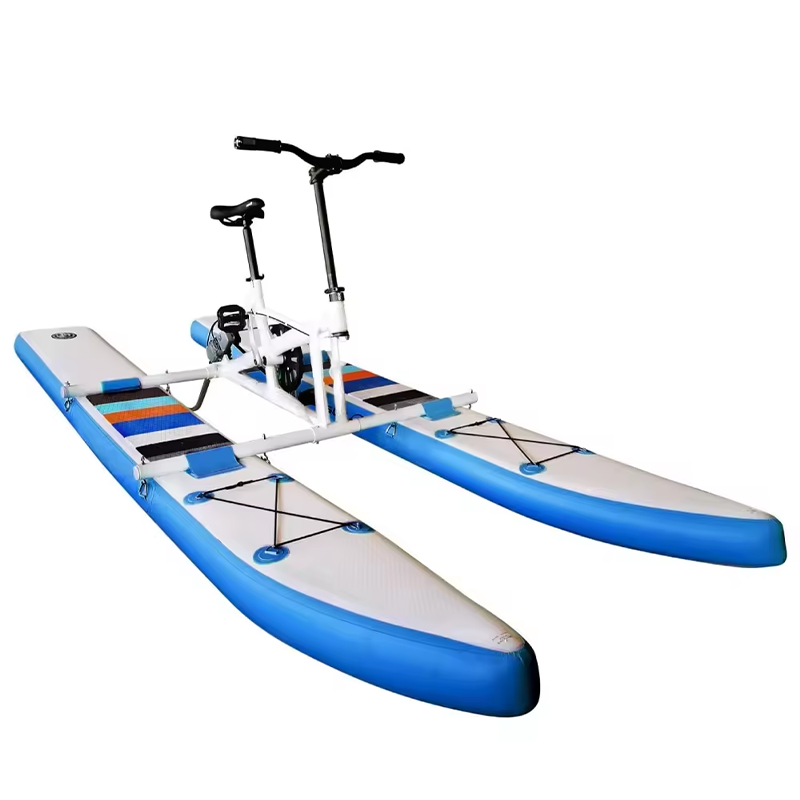
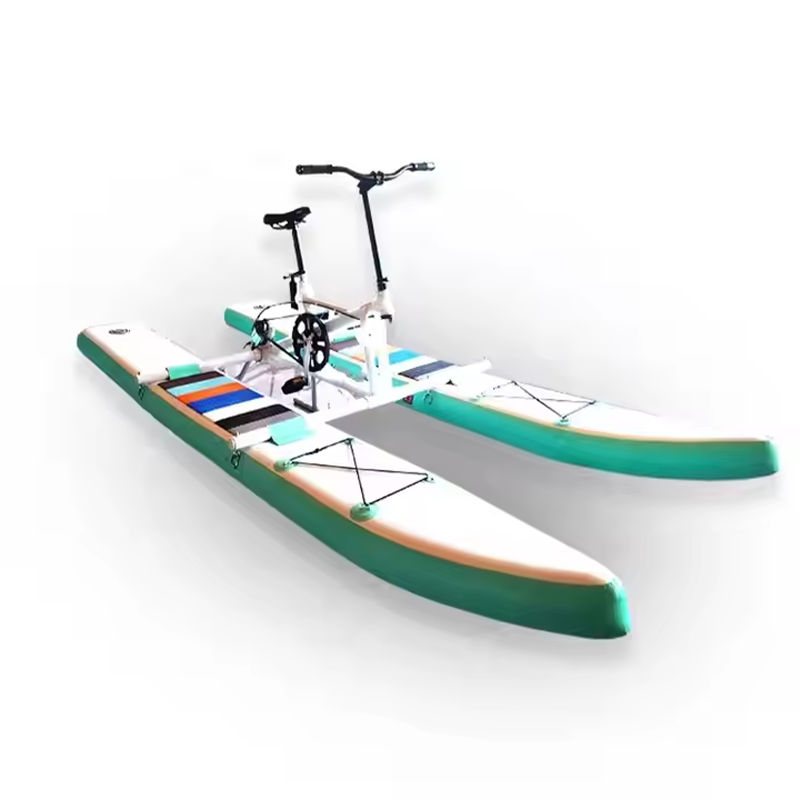
Dans des situations vraiment complexes, comme les inondations urbaines, les rivières encombrées d’objets flottants ou les plans d’eau recouverts de glace, les systèmes spécialisés de bateaux sont tout simplement indispensables. Prenons l’exemple des embarcations de sauvetage gonflables modernes : conçues pour être facilement transportables, elles restent néanmoins suffisamment robustes pour résister à des conditions difficiles. Leurs matériaux ne se déchirent pas facilement, leur fond s’égoutte automatiquement lorsqu’il est mouillé, et leur coque est renforcée afin de garantir un fonctionnement fiable même en présence d’une grande quantité d’objets flottants. Il existe également de grandes plates-formes de secours contre les inondations, qui servent de points stables lors d’évacuations massives dans des villes partiellement submergées. Lorsque les rues deviennent trop étroites ou que des bâtiments s’effondrent dans l’eau, les bateaux classiques ne parviennent tout simplement pas à passer. Enfin, les traîneaux de secours stabilisés sont dotés de fonds lisses qui glissent efficacement sur diverses surfaces, ainsi que de harnais intégrés. Ces équipements sont spécifiquement conçus pour les zones verglacées, les zones boueuses ou tout autre terrain susceptible de céder sous le poids d’une personne, assurant ainsi le transport sécurisé des personnes incapables de se déplacer par leurs propres moyens.
Les critères clés de sélection comprennent :
Bien que les véhicules amphibies présentent un potentiel spécifique dans les zones de transition, leur complexité et leur temps de mise en service entravent leur utilisation lors d’interventions de secours urgentes et soumises à des contraintes temporelles. La priorité donnée à l’interopérabilité — par exemple, des points de fixation normalisés entre les traîneaux, les plates-formes et les embarcations — simplifie les opérations de récupération de plusieurs victimes lors d’inondations à grande échelle.
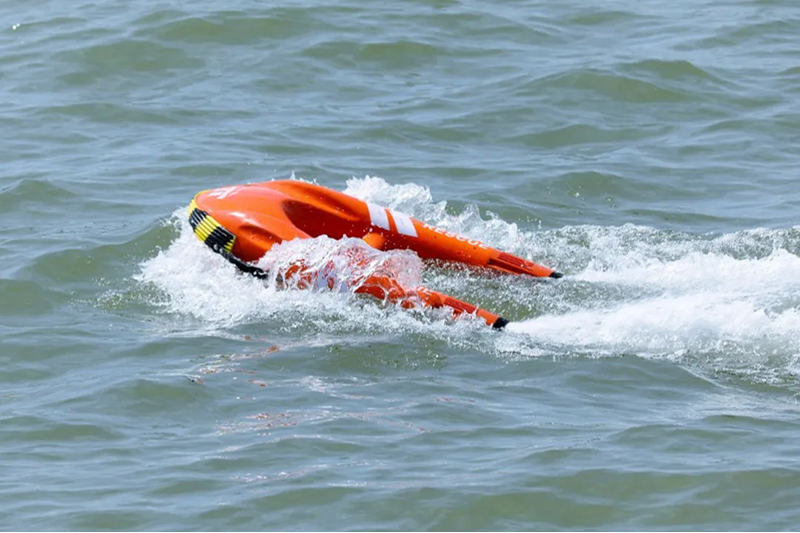
Les drones autonomes, associés à des bouées de sauvetage télécommandées, améliorent plutôt qu’ils ne remplacent les techniques traditionnelles de sauvetage en milieu aquatique. Ces engins volants sont équipés de caméras capables de repérer des personnes en difficulté en environ 90 secondes, et ils parviennent à larguer avec précision des flotteurs de sauvetage dans environ 95 % des cas lors d’essais réalisés en environnement contrôlé. Toutefois, un inconvénient subsiste : leur capacité de charge se situe généralement entre 5 et 7 kilogrammes, ce qui s’avère insuffisant lorsqu’il faut porter secours à plusieurs personnes simultanément ou lorsque les conditions extérieures deviennent difficiles. En revanche, les bouées de sauvetage télécommandées offrent une portée étendue, pouvant atteindre jusqu’à 250 mètres de la rive, mais dès que le courant dépasse 5 nœuds, ces bouées deviennent difficiles à manœuvrer. Elles deviennent ainsi pratiquement inutilisables en cas de crues soudaines ou sur des cours d’eau à fort débit, où la maniabilité est pourtant essentielle.
Les essais menés dans des conditions réelles indiquent que l’intégration de ces dispositifs dans des plans d’intervention d’urgence à plusieurs niveaux fait effectivement la différence. Les drones peuvent rapidement survoler les zones sinistrées et fournir une assistance de premier niveau, tandis que les équipes humaines de secours s’occupent des tâches plus complexes, telles que le dégagement des personnes, leur extraction des décombres et la mise en place des premiers soins médicaux. Lorsqu’ils sont déployés correctement, cette approche réduit d’environ 40 % la fréquence à laquelle les intervenants doivent pénétrer physiquement dans des situations dangereuses. Et il ne s’agit pas de n’importe quelle situation : lors de crues soudaines ou d’inondations éclair, où les conditions évoluent extrêmement rapidement, les délais d’intervention critiques sont presque divisés par deux par rapport aux méthodes traditionnelles seules.
Adéquation opérationnelle selon l’environnement
| Capacité | Eau calme | Zones inondables | Rapides / Courants |
|---|---|---|---|
| Déploiement de drone | Excellent | Modéré | Les pauvres |
| Commande à distance du cercle de sauvetage | Excellent | Limité | Non viable |
| Utilisation de nuit / par mauvais temps | Modéré | Limité | Non viable |
La conclusion constante tirée par les organismes de sécurité maritime — notamment la norme NFPA 1006 (National Fire Protection Association) et l’International Technical Rescue Association (ITRA) — est que la technologie excelle pour étendre la portée d’intervention et réduire l’exposition des intervenants, mais qu’elle ne peut pas remplacer le jugement, l’adaptabilité ou les capacités physiques du personnel qualifié lors d’opérations complexes de désincarcération.
 Actualités chaudes
Nous visons à enthousiasmer l'industrie par la créativité en toutes circonstances tout en offrant à nos clients une forte valeur d'utilisation. Havospark considère toujours l'innovation comme le principe fondamental du développement de produits.
501, Building 1, Boying Building, No.18 Qingshuihe Third Road, Qingshuihe Community, Qingshuihe Sub-District,Luohu District, Shenzhen
Copyright © Shenzhen Hoverstar Innovations Technology Co. , Ltd. All Rights Reserved. Politique de confidentialité
 EN
EN