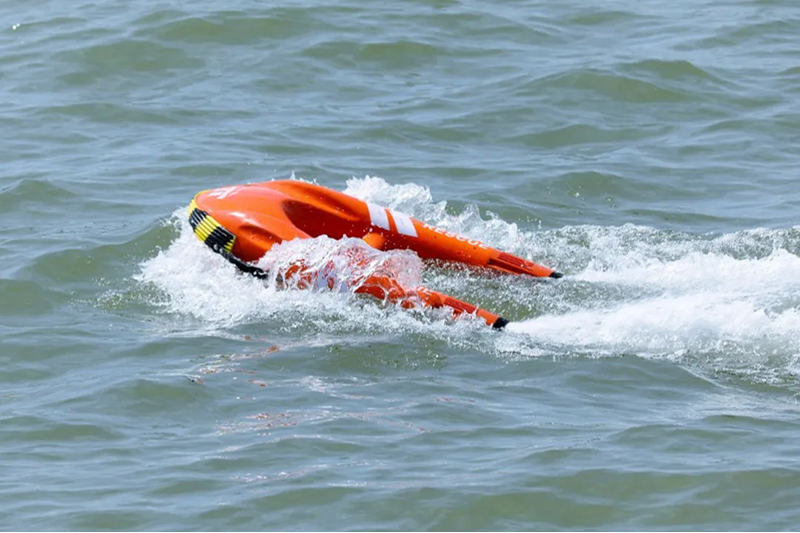
The structural integrity of commercial floating water parks starts with following ASTM F2374-22 from the American Society for Testing and Materials plus the EN ISO 25649 international standards. These guidelines set requirements for how strong materials need to be, what kind of backup connections are necessary, and how well structures resist wear over time. They actually specify that those modular joints between sections must handle at least 2,000 pounds of force repeatedly without showing any signs of bending or breaking. When companies ignore these rules, disaster can happen. Just look at what occurred back in 2023 where one park that wasn't properly certified had its entire anchoring system snap apart during winds pushing 15 knots across the water surface.
Beyond static testing, parks must endure dynamic environmental forces. Engineering simulations show that 3-foot waves combined with 50 mph winds exert up to 12 kN of lateral load on obstacles. Stability is achieved through three interlocking design principles:
Leading installations such as the Lake Travis floating park validate these principles with real-time strain gauges during 120%-capacity stress tests.
Polymer surfaces with built-in abrasive textures offer much needed grip on wet areas, cutting down slips and falls by around 70% when compared to regular smooth surfaces according to research from Aquatic Safety Journal in 2024. All raised sections need at least four inches of curb around them, acting as a real world shield to stop people from falling into water unexpectedly. The edge protection system includes those soft bumpers that absorb shocks plus constant guardrails running along the sides. These combined safety measures help keep things stable even when someone bumps into the edges pretty hard. On boats and other moving water platforms where conditions change constantly, this multi layer approach makes a big difference in keeping everyone safe from accidents.
The spaces between different sections of the park have been carefully designed to stay under 3.5 inches wide. This helps keep fingers and toes from getting stuck while still allowing water to drain properly after rain showers. Drain covers specially made to stop whirlpools form when water flows through them, and all the hardware is mounted flat against surfaces so nothing catches on clothes or hair. When it comes to making sure everyone can get around easily, the paths follow ADA guidelines pretty strictly. They need to be at least 1.2 meters wide with gentle slopes not exceeding 5 degrees angle. That means wheelchair users and parents pushing strollers can move safely from one attraction to another without obstacles. Even the way things are attached to structures matters safety-wise these days. Fasteners don't stick out where someone might trip over them, and areas where different surfaces meet often have contrasting colors so people can spot changes in terrain more clearly as they walk around.
Floating water parks for commercial use need special materials that can handle constant exposure to the elements without falling apart. UV stabilized PVC is basically the backbone of these structures because regular materials tend to weaken by around 70% after just three years of sun exposure according to a study from Marine Materials Journal back in 2023. When it comes to seams, manufacturers reinforce them with double stitching using strong marine grade polyester thread plus heat welded overlays. This combo cuts down on seam failures by about 92% when tested against simulated wave conditions compared to those old single seam designs that kept popping apart. And for dealing with punctures? The parks use 1200 denier PVC layers combined with cross laminated reinforcement. These materials can actually stand up to impacts similar to what happens when someone weighing 45 kilograms jumps off a platform that's 3 meters high.
These solutions concurrently address three environmental challenges:
The compound effect extends functional lifespans beyond 15 years while preserving critical safety margins during high-impact recreational use.
Safety remains a top concern for commercial floating water parks, which need solid protocols covering several key areas. Water should stay at least seven feet deep under any diving structures to keep swimmers from hitting the bottom when they jump in. Warning signs about specific hazards are placed according to standard guidelines these days. They go no more than three feet away from where slides end and near spots where water depth changes suddenly. These signs often have pictures instead of just words so people can understand them even if English isn't their first language. Life jackets also need to be easy to find throughout the park. Most places put clearly marked racks within fifteen feet walking distance of each attraction point. These racks hold life vests for kids all the way up to adults, along with simple step-by-step guides showing how to properly wear them before getting into deeper waters.
Staff verify these measures during daily inspections, forming a compliance triad that reduces drowning risks by 68% according to aquatic safety audits. These operational safeguards complement structural engineering to create holistic guest protection.

We aim to thrill the industry with creativeness at all times while providing our customers with high user value. Havospark always regards innovation as the first principle for product development.
501, Building 1, Boying Building, No.18 Qingshuihe Third Road, Qingshuihe Community, Qingshuihe Sub-District,Luohu District, Shenzhen
Copyright © Shenzhen Hoverstar Innovations Technology Co. , Ltd. All Rights Reserved. Privacy Policy
 EN
EN


 Hot News