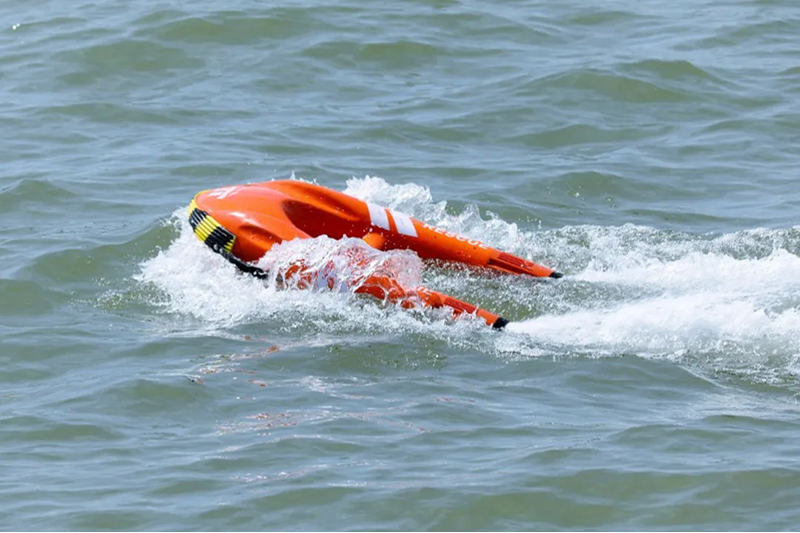
Wenn Hotels und Resorts diese Roboter-Poolreiniger installieren, verabschieden sie sich im Grunde von all dieser lästigen täglichen Absaugarbeit, die früher jede Woche so viele Arbeitsstunden des Personals in Anspruch nahm. Die Roboter laufen einfach eigenständig während der ruhigen Nachtstunden oder am frühen Morgen, sodass das Wartungspersonal sich tatsächlich auf Aufgaben konzentrieren kann, die wirklich zählen – etwa die Überprüfung der chemischen Wasserwerte oder die Inspektion von Pumpen und Filtern. Die Pools werden nach wie vor gemäß den gesundheitsrechtlichen Vorschriften sauber gehalten, doch für diese spezifische Aufgabe ist weniger Personal erforderlich. Einige Hotelmanager berichteten uns, dass ihr Personal seit der Installation dieser automatisierten Systeme wöchentlich etwa 30 bis sogar 35 Prozent weniger Zeit für die Poolreinigung aufwendet.
Eine große Resortgruppe reduzierte die Reinigungszeit für ihre Swimmingpools um nahezu die Hälfte, als sie von veralteten manuellen Methoden auf Roboterreiniger umstellte. Vor der Automatisierung mussten die Mitarbeiter jede Woche 18 Stunden damit verbringen, alle 12 großen Hotel-Pools mit herkömmlichen Saugern zu reinigen. Heute sind es nur noch insgesamt 7 Stunden pro Woche. Ein weiterer Vorteil: Im vergangenen Jahr gingen 27 % weniger Verletzungsansprüche ein als im Jahr zuvor. Das ist durchaus nachvollziehbar, denn diese Maschinen übernehmen die körperlich belastenden und sich wiederholenden Tätigkeiten, die früher zu Erschöpfung führten. Dieses reale Beispiel zeigt eindrucksvoll, wie viel Geld Hotels sparen können, wenn sie automatisierte Reinigungstechnologie gleichzeitig in mehreren Objekten einsetzen.
Gewerbliche Einrichtungen erzielen durch den Einsatz von Roboter-Poolreinigern erhebliche Einsparungen bei den Betriebskosten, vor allem dank eines deutlich geringeren Energieverbrauchs im Vergleich zu herkömmlichen Systemen. Im Gegensatz zu Saug- oder Druckseitenreinigern – die auf einen kontinuierlichen Pumpenbetrieb angewiesen sind – arbeiten Robotergeräte unabhängig mit eigenen Motoren und intelligenter Navigation.
Laut einer Studie des US-Energieministeriums (Department of Energy) verbrauchen robotergesteuerte Poolreiniger tatsächlich etwa 80 bis 90 Prozent weniger Energie als herkömmliche Poolreinigungsgeräte. Diese Maschinen verfügen über intelligente Reinigungswege und effiziente bürstenlose Motoren, die typischerweise nur mit 150 bis 300 Watt betrieben werden. Herkömmliche Poolanlagen benötigen jedoch deutlich mehr Leistung, da Standard-Poolpumpen bei ihrem täglichen Betrieb – meist 4 bis 8 Stunden ununterbrochen für saug- oder druckbasierte Systeme – zwischen 1.500 und 2.500 Watt verbrauchen. Bei einem Blick auf die tatsächlichen Energieverbrauchswerte schneiden robotergesteuerte Reiniger deutlich besser ab: Sie verbrauchen pro Reinigungsvorgang lediglich 0,3 bis 0,6 Kilowattstunden. Im Vergleich dazu können herkömmliche Methoden bei jedem Einsatz zwischen 9 und 20 kWh verbrauchen. Die jüngsten Erkenntnisse des DOE aus dem Jahr 2023 positionieren robotergesteuerte Reiniger ganz oben in der Effizienz-Rangliste. Unternehmen, die umgestiegen sind, berichten zudem von spürbaren Kosteneinsparungen: Gewerbliche Pools sparen im Durchschnitt jährlich rund 740 US-Dollar, allein weil sie diese leistungsstarken Pumpen nicht mehr unnötigerweise ständig in Betrieb halten müssen.
Reale Zahlen untermauern das, was wir beobachtet haben. Nehmen Sie beispielsweise eine große Resortgruppe in Florida, die ihre Stromkosten für Poolanlagen um nahezu drei Viertel senken konnte, nachdem sie 42 alte Saugsysteme durch Roboter ersetzt hatte. Eine weitere städtische Poolanlage sparte jährlich rund 8.000 US-Dollar an Wartungskosten für ihre olympischen Schwimmbecken. Warum? Diese Roboter arbeiten deutlich schneller – gewöhnlich innerhalb von nur zwei bis drei Stunden statt der herkömmlichen sechs bis acht Stunden. Außerdem benötigen sie keine zusätzlichen Pumpen, die ständig laufen müssen, und können die Reinigungsintensität je nach tatsächlichem Bedarf anpassen. Die meisten Hotels und Haus- und Grundbesitzervereine stellen fest, dass sich ihre Investition allein durch die Einsparungen bei den Energiekosten innerhalb von anderthalb Jahren amortisiert.
Roboter-Poolreiniger arbeiten in den meisten Anlagen eigenständig, unabhängig vom Hauptfiltersystem, wodurch sie die traditionellen Absauganlagen nicht mehr ständig mit Saugbelastung beanspruchen. Laut einer im vergangenen Jahr in „Pool & Spa News“ veröffentlichten Studie verringern diese Roboter die mechanische Belastung der Pumpen um rund 70 %. Zudem tragen sie dazu bei, dass Filter nicht zu früh verstopfen. Wenn weniger Schmutz in die Rohrleitungen gelangt, treten Probleme wie Korrosion und Kalkablagerungen seltener auf. Die Komponenten halten im Allgemeinen etwa drei bis sogar fünf Jahre länger als üblich. Anlagen sparen dadurch typischerweise jährlich rund 1.200 US-Dollar für Ersatzteile – ganz abgesehen von teuren Notreparaturen, die niemand wünscht. Über einen Zeitraum von zehn Jahren sinken die Wartungskosten für Zusatzkomponenten im Vergleich zur sonst zu erwartenden Entwicklung um rund 40 %.
Gewerbeimmobilien stellen fest, dass Roboter-Poolreiniger in verschiedenen Einsatzbereichen eine solide Rendite auf die Investition bieten, da sie die Wartungsarbeiten deutlich effizienter gestalten. Vor allem für Hotels übernehmen diese Geräte die Reinigungsaufgaben vollautomatisch, sodass keine Sorge mehr um schwankende Dienstpläne oder inkonsistente Ergebnisse zwischen den Schichten bestehen muss. Hausverwaltungen berichten, dass sich ihre jährlichen Wartungskosten beim Umstieg auf Roboter um rund 35 Prozent verringern. Zudem sparen sie Geld bei Chemikalien, und die Filter halten ebenfalls länger. Kommunen, die große öffentliche Schwimmbäder betreiben, erzielen noch höhere Einsparungen: Ein einzelner Roboter kann täglich mehrere olympische Schwimmbecken reinigen und verbraucht dabei nur etwa 40 % der Energie älterer Systeme. Außerdem verhindert er teure Pumpenausfälle, die bei jedem Auftreten Kosten von mindestens 15.000 Dollar verursachen. Das Beste daran? Diese Geräte passen sich problemlos an die stark frequentierten Sommermonate oder ruhigeren Winterperioden an – ohne zusätzliche Mitarbeiter oder größere Investitionen in neue Ausrüstung. Unternehmen wissen daher stets genau, welche finanzielle Rendite sie erwarten können – unabhängig davon, wie groß oder klein ihr Betrieb gerade ist.
 Aktuelle Nachrichten
Wir wollen die Branche jederzeit mit Kreativität begeistern und unseren Kunden einen hohen Nutzwert bieten. Havospark betrachtet Innovation stets als erste Prinzip für die Produktentwicklung.
501, Building 1, Boying Building, No.18 Qingshuihe Third Road, Qingshuihe Community, Qingshuihe Sub-District,Luohu District, Shenzhen
Copyright © Shenzhen Hoverstar Innovations Technology Co. , Ltd. All Rights Reserved. DATENSCHUTZRICHTLINIE
 EN
EN