EN
EN


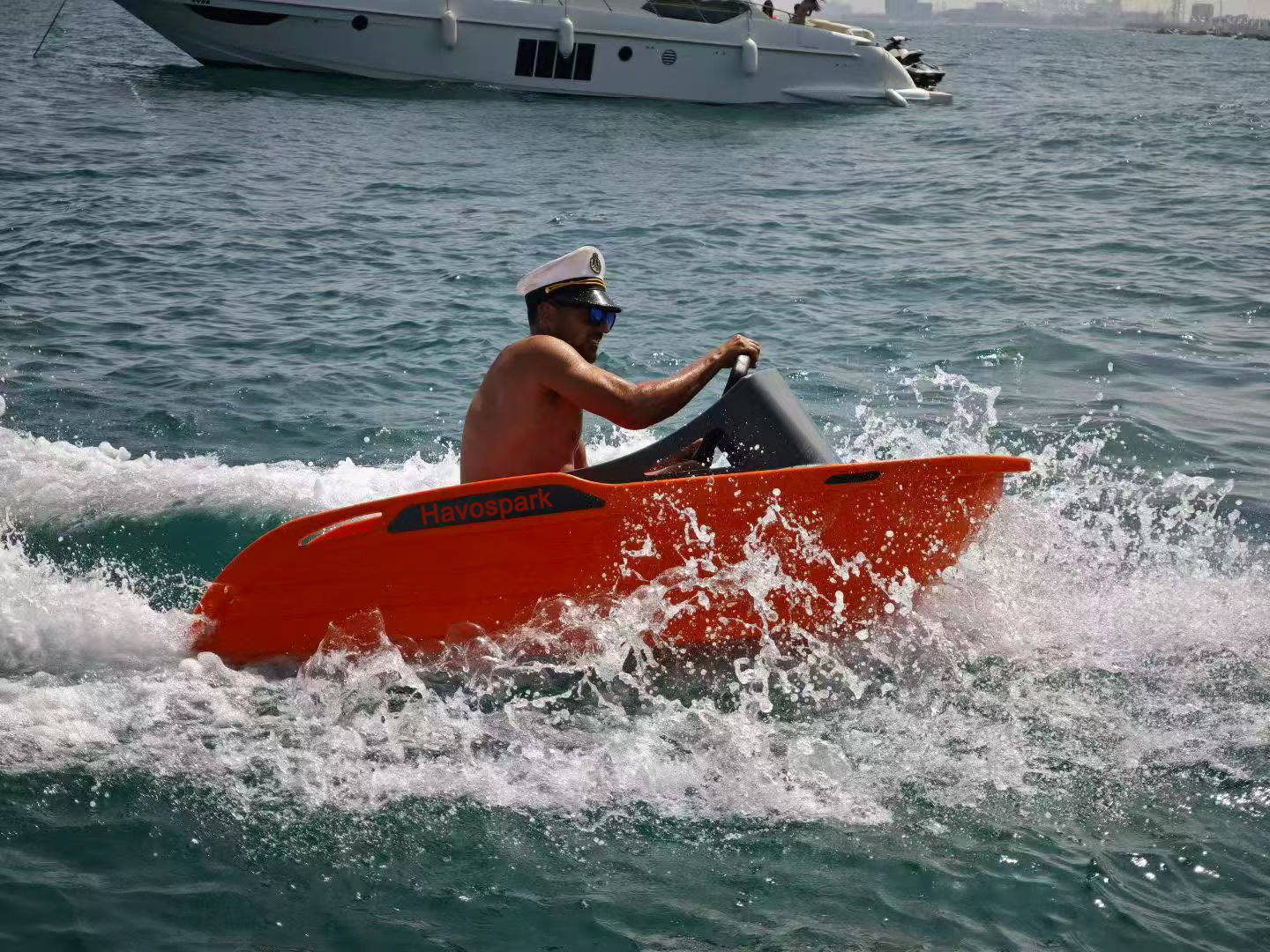
Why Electric Jet Propulsion Defines Performance for Mini Watercraft
Zero-Propeller Design: Safety, Shallow-Draft Agility, and Weed-Free Operation
The absence of exposed propellers eliminates entanglement risks for swimmers, wildlife, and rescue personnel—a critical safety advantage validated in US Coast Guard–observed operations. With drafts under 12 inches, these vessels access marshes, mangrove roots, and silt-choked delta channels where traditional boats ground or foul. The sealed jet intake prevents weed and debris clogging, ensuring uninterrupted propulsion in vegetation-dense waters. This design also minimizes hull impact damage during beaching—enabling rapid shoreline extractions in time-sensitive emergencies. Marine operators report 40% fewer propulsion-related incidents compared to outboard systems (US Coast Guard Data 2023).
Energy Efficiency & Torque Profile: How Sub-25ft Electric Jet Boats Outperform Traditional Outboards
Electric jet propulsion delivers 100% torque instantly at startup—accelerating 0.9 seconds faster than combustion engines, a decisive edge when navigating rapids or evading hazards. Centralized battery placement lowers the center of gravity by 22%, significantly improving stability in turbulent waters (2024 Maritime Battery Study). Combined with direct-drive efficiency and reduced mechanical losses, this configuration extends operational range by 35% versus gasoline equivalents. Silent operation (<68 dB) supports stealthy approaches for wildlife monitoring, tactical missions, and undisturbed fishing.
| Performance Metric | Electric Jet Boats | Combustion Outboards |
|---|---|---|
| Throttle response | 0.2 seconds | 1.1 seconds |
| Low-speed maneuverability | 40% tighter turns | Limited by drag |
| Noise output | Conversation level | Hearing protection required |
Shallow-Water Mission Readiness: Draft, Maneuverability, and Real-World Validation
Under 12-Inch Draft in Action: Field Data from Everglades, Delta, and Inland Rescue Trials
Mini electric jet boats with sub-12-inch drafts operate reliably where conventional vessels fail. In Everglades trials, they maintained full propulsion through sawgrass marshes at depths as low as 9 inches—navigating flooded mangrove roots without fouling. Delta testing showed a 92% operational success rate in silt-laden channels, using jet thrust to bypass submerged debris that stalls propeller-driven craft. During inland flood rescues, operators achieved 40% faster response times in urban shallows. The sealed, propeller-free system ensures both operator and victim safety—eliminating entanglement hazards during close-quarters extraction while transforming previously inaccessible waterways into viable operational zones.
Fishing-Optimized Features of the Mini Electric Jet Boat
Aluminum Hull Durability, Silent Casting Zones, and Integrated Live Wells
Marine-grade aluminum hulls deliver exceptional corrosion resistance and structural resilience—withstanding impacts from submerged obstacles with minimal maintenance. Near-silent electric jet operation (<45 dB) preserves natural acoustic conditions, allowing stealthy approaches and disturbance-free casting that keeps predatory fish from spooking. Strategically placed aerated live wells maintain optimal oxygen saturation and thermal stability, with insulated compartments reducing thermal transfer by up to 70% versus conventional designs. Together, rugged construction, acoustic discretion, and biological support systems create a purpose-built angling platform.
Rescue-Critical Capabilities: Speed, Control, and Operator Safety
Rapid Deployment (<90 Seconds) and Precision Handling in USCG-Validated Scenarios
Electric jet boats enable life-saving response with deployment times under 90 seconds—critical in drowning prevention and flood evacuations. Instantaneous thrust and directional control, validated in US Coast Guard trials across 6-foot swells, ensure reliable personnel recovery even in extreme conditions. These craft exceed industry-standard 6-knot towing capacity for liferafts, leveraging high-torque electric motors and responsive jet steering. The sealed impeller system eliminates entanglement risks during submerged victim recovery, while reverse thrust maneuvers execute within one boat length. Integrated safety features—including automatic stability correction during high-G turns and submersible-rated electrical systems—protect operators without compromising agility or mission readiness.
FAQ
What are the safety benefits of an electric jet propulsion system over traditional propellers?
The electric jet propulsion system eliminates exposed propellers, reducing entanglement risks and ensuring safer operation for swimmers, wildlife, and rescue personnel.
How do electric jet boats perform in shallow water compared to traditional boats?
Electric jet boats can operate in waterways with drafts under 12 inches, accessing areas like marshes and mangrove roots where traditional boats might get stuck or damaged.
What are the operational benefits of instant torque delivery in electric jet boats?
Electric jets deliver 100% torque instantly, offering faster acceleration and improved maneuverability in rapids or during hazard avoidance compared to combustion engines.
Are electric jet boats suitable for fishing applications?
Yes, with aluminum hulls, silent operation for stealthy casting, and integrated live wells, electric jet boats are well-suited for fishing without disturbing underwater environments.
How do electric jet boats enhance rescue operations?
They offer rapid deployment, reliable thrust and control, and are designed to prevent entanglement during rescues, making them ideal for emergency scenarios.
Table of Contents
- Why Electric Jet Propulsion Defines Performance for Mini Watercraft
- Shallow-Water Mission Readiness: Draft, Maneuverability, and Real-World Validation
- Fishing-Optimized Features of the Mini Electric Jet Boat
- Rescue-Critical Capabilities: Speed, Control, and Operator Safety
-
FAQ
- What are the safety benefits of an electric jet propulsion system over traditional propellers?
- How do electric jet boats perform in shallow water compared to traditional boats?
- What are the operational benefits of instant torque delivery in electric jet boats?
- Are electric jet boats suitable for fishing applications?
- How do electric jet boats enhance rescue operations?