EN
EN


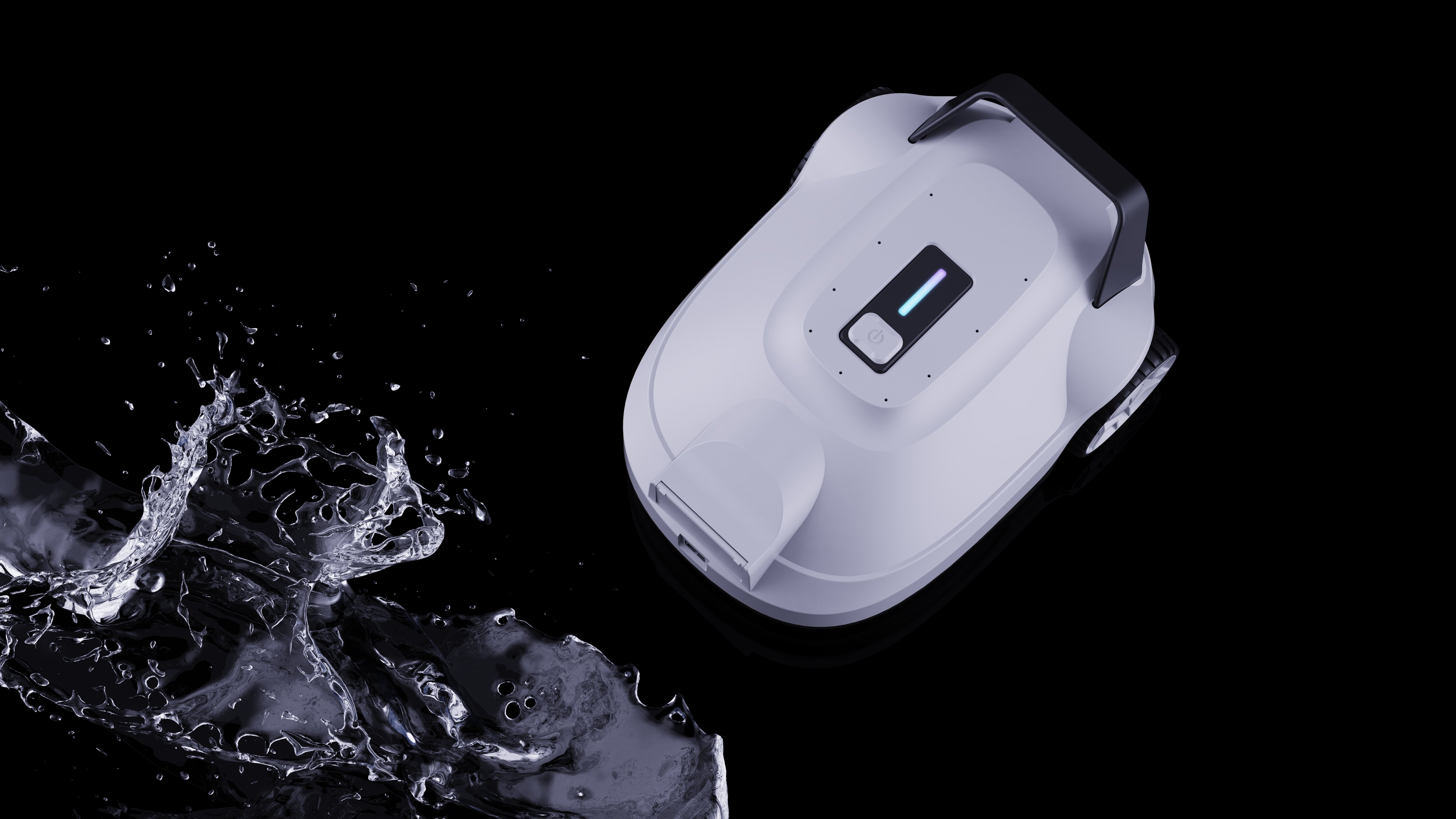
Preparing Your Pool Before Using a Robotic Pool Cleaner
Before starting a robotic pool cleaner, a few preparation steps can help improve cleaning performance and reduce unnecessary strain on the machine.
Begin by removing large debris such as leaves, branches, and floating objects from the pool. Large particles can block the intake system, reduce water flow, or affect the movement of brushes and tracks.
It is also important to check the pool environment. Make sure ladder steps, drain covers, and other accessories are secure and that no sharp objects could damage the cleaner’s cable or housing.
A clean and properly prepared pool allows the robotic cleaner to move more freely and complete its cleaning cycle more effectively.
Checking Water Conditions and Electrical Safety
Balanced pool water chemistry helps protect both the pool surface and cleaning equipment. Maintaining appropriate pH, chlorine, and calcium levels can reduce unnecessary stress on seals, plastics, and other components.
Electrical safety is equally important. Always connect the cleaner’s power supply to a properly installed GFCI-protected outlet and place the power unit in a dry, protected location away from direct water exposure.
Before each use, inspect the cable, connectors, and power supply for visible damage. Avoid using damaged equipment and follow the manufacturer’s safety instructions to ensure reliable operation.
Operating a Robotic Pool Cleaner Step by Step
Most modern robotic pool cleaners are designed for simple plug-and-play operation.
First, connect the power supply and place the cleaner into the pool water according to the manufacturer’s instructions. Once activated, the robot will begin moving through the pool and collecting debris through its filtration system.
During operation, avoid pulling the cleaner by the cable. When removing the unit from the pool, use the dedicated handle to prevent unnecessary stress on internal connections.
After completing a cleaning cycle, switch off the power supply before removing the cleaner from the water.
Using Smart Features for Automated Cleaning
Many advanced robotic pool cleaners include smart controls that allow users to manage cleaning schedules through mobile applications or remote controllers.
Smart features may include:
• scheduled cleaning cycles
• cleaning status monitoring
• maintenance reminders
• operation control through mobile devices
Automatic scheduling is especially useful for maintaining consistent pool cleanliness without frequent manual operation.
For pool owners who want a more convenient maintenance routine, smart connectivity can make daily cleaning easier and more predictable.
Choosing the Right Cleaning Schedule
The ideal cleaning frequency depends on several factors, including pool size, surrounding environment, weather conditions, and debris levels.
Pools located near trees or areas with heavy dust may require more frequent cleaning, while lightly used pools may need fewer cycles.
Instead of following a fixed schedule, many users adjust cleaning frequency based on actual pool conditions.
A robotic pool cleaner should run long enough to complete effective coverage while avoiding unnecessary operation.
How Navigation Technology Improves Cleaning Performance
Modern robotic pool cleaners use sensors and intelligent navigation systems to improve movement efficiency.
Compared with basic random movement systems, advanced models can analyze pool structure and adjust their cleaning paths to cover more areas, including floors, walls, and waterlines.
Features such as obstacle detection, climbing ability, and optimized route planning help reduce missed areas and improve overall cleaning consistency.
This intelligent approach allows robotic cleaners to provide more reliable results with less manual supervision.
Maintenance Tips for Longer Service Life
Regular maintenance is essential for keeping a robotic pool cleaner operating efficiently.
After each cleaning cycle:
• rinse the filter basket or filter cartridge
• remove trapped debris
• check brushes and tracks for wear
• store the cleaner in a dry, shaded area when not in use
Avoid leaving the cleaner exposed to harsh sunlight or unnecessary chemical exposure for extended periods.
Regular inspection helps identify small issues before they become larger maintenance problems.
Common Mistakes to Avoid When Using a Robotic Pool Cleaner
One common mistake is operating the cleaner with heavily clogged filters. Dirty filters reduce water circulation and cleaning performance.
Another mistake is ignoring cable management. Twisted or tightly bent cables can reduce movement flexibility and shorten service life.
Users should also avoid placing the cleaner into the pool immediately after strong chemical treatments unless the manufacturer confirms it is safe. Allowing chemicals to properly circulate and following equipment guidelines helps protect internal components.
Why Robotic Pool Cleaners Are a Smart Pool Maintenance Solution
Compared with traditional manual cleaning methods, robotic pool cleaners provide a more automated approach to pool maintenance.
They operate independently, collect debris through built-in filtration systems, and reduce the amount of manual cleaning required.
For homeowners, hotels, and commercial pool operators, robotic cleaning technology provides a convenient way to maintain cleaner water while saving time and improving maintenance efficiency.
With proper setup, operation, and care, a robotic pool cleaner can become a reliable long-term solution for modern pool management.
FAQ
How do I prepare my pool before using a robotic pool cleaner?
Remove large debris, check pool accessories, and ensure the cleaner can move freely without obstacles.
Can I use a robotic pool cleaner every day?
Cleaning frequency depends on pool size, environmental conditions, and debris levels. Many users adjust schedules based on actual pool needs.
Do robotic pool cleaners require maintenance?
Yes. Regular filter cleaning, brush inspection, and proper storage help maintain performance and extend service life.
Can robotic pool cleaners clean pool walls?
Many modern models include wall-climbing capabilities, but performance depends on the specific design and pool surface type.
Is electrical safety important when using a robotic pool cleaner?
Yes. Always use a properly installed power connection, keep electrical components dry, and follow the manufacturer’s safety recommendations.
Table of Contents
- Preparing Your Pool Before Using a Robotic Pool Cleaner
- Checking Water Conditions and Electrical Safety
- Operating a Robotic Pool Cleaner Step by Step
- Using Smart Features for Automated Cleaning
- Choosing the Right Cleaning Schedule
- How Navigation Technology Improves Cleaning Performance
- Maintenance Tips for Longer Service Life
- Common Mistakes to Avoid When Using a Robotic Pool Cleaner
- Why Robotic Pool Cleaners Are a Smart Pool Maintenance Solution
- FAQ