EN


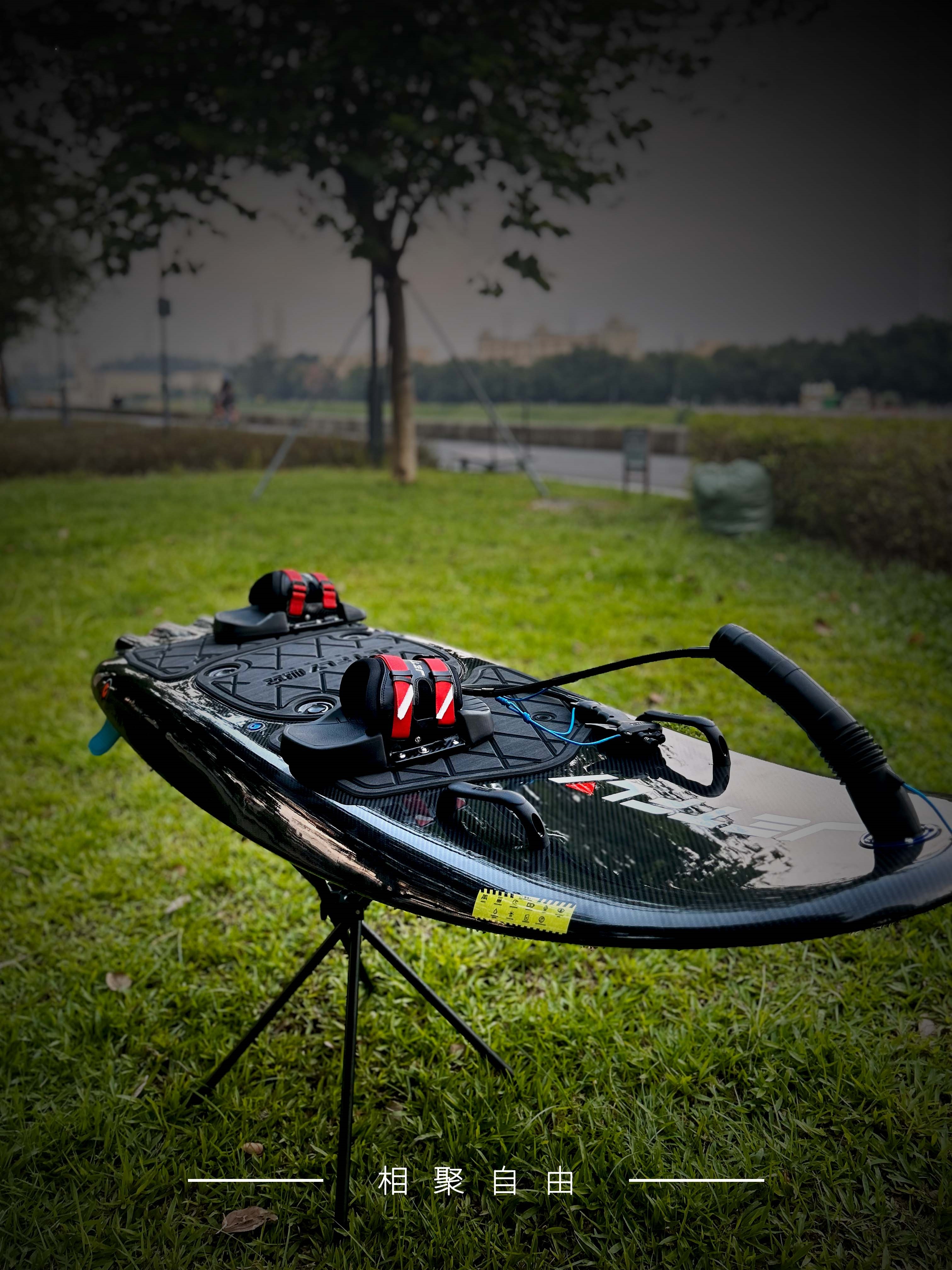
Core Components of an Electric Surfboard
Motor, Battery, and Propulsion System Explained
An electric surfboard’s propulsion system integrates three key components: a sealed brushless DC motor (typically 3–10 kW), a rechargeable lithium-ion battery pack (1.5–3 kWh), and a jet- or propeller-based drive unit. The motor resides in the tail and spins an impeller that forces water through a rear-facing nozzle—generating thrust without external moving parts. The modular, swappable battery is strategically positioned near the board’s centre to maintain balance and deliver 45–90 minutes of ride time. A waterproof electronic speed controller links the battery, motor, and handheld throttle, translating wireless input into precise RPM control. Built-in temperature and rotational sensors enable real-time adjustments to prevent overheating and power loss. The entire assembly meets IP67 or higher ingress protection standards, with corrosion-resistant connectors and rigid enclosures designed to withstand choppy conditions. For long-term reliability, routine inspection of seals, battery contacts, and firmware updates is recommended.
How Thrust Is Generated Without Waves or Paddling
Thrust comes from a fully enclosed impeller-based water-jet system—not an exposed propeller—making it safer for riders and marine life. When the throttle is engaged, the motor accelerates the impeller, drawing water through a ventral intake and expelling it at high velocity from the rear nozzle. This reaction force propels the board forward on flat water, lakes, or gentle ocean swells—entirely independent of wave energy. As speed increases, the board planes, reducing drag and enabling efficient cruising at 15 mph or more. Because thrust responds directly to motor speed and impeller pitch, even subtle throttle inputs yield smooth, predictable acceleration or deceleration. This self-contained propulsion eliminates the exhausting paddle-out phase: beginners simply stand up, lean slightly forward, and let the board carry them—no waves required.
Real-Time Control and Stability in Electric Surfboards
Throttle, Braking, and Sensor-Driven Balance Assistance
Electric surfboards use a wireless handheld controller—usually thumb-lever or trigger-based—for intuitive throttle response, enabling precise acceleration and deceleration. Braking is achieved primarily by cutting motor power; some advanced models reverse thrust for controlled slowdowns. This immediate tactile feedback helps new riders maintain consistent speed and build confidence. For stability, onboard inertial measurement units (IMUs) and gyroscopic sensors continuously monitor pitch, roll, and yaw. Microprocessors interpret this data in real time to apply subtle, automatic thrust corrections—reducing wobble and improving rider control. According to manufacturer testing, these sensor-driven algorithms reduce tip-overs by up to 80% compared to non-stabilized systems. The low-latency wireless connection ensures near-instantaneous responsiveness. Beginners benefit from reduced-power modes that cap top speed while maintaining full stabilization support. In the event of a fall, many boards activate an emergency cut-off to halt propulsion immediately—preventing uncontrolled drift and enhancing safety.
Beginner-Specific Safety and Ease-of-Use Features
Low-Speed Modes, Auto-Stabilization, and Emergency Cut-Off
Modern electric surfboards prioritize beginner safety through three integrated features: speed limiting, auto-stabilization, and fail-safe shutdown. A dedicated low-speed mode caps propulsion at 5–8 mph, allowing novices to practice balance without overwhelming acceleration. Beneath the deck, gyroscopic sensors and microprocessors detect imbalance in real time and adjust thrust across dual jets—effectively “righting” the board before a fall occurs. This auto-stabilization feels like gentle, invisible correction, significantly smoothing the transition from kneeling to standing. Complementing this is a waterproof magnetic tether that attaches to the rider’s wrist or life jacket. If detachment occurs—such as during a fall—the system cuts motor power within 0.5 seconds and stops the impeller, eliminating entanglement risk. Together, these layers provide a secure, confidence-building foundation for learning.
First Ride Workflow: Setup to Stable Glide
Pre-Ride Essentials: Charging, Balance Check, and Water Readiness
Before entering the water, verify the battery is fully charged and inspect the propulsion intake for debris—a 2023 survey of rental operators found that 14% of first-ride failures stemmed from low charge or clogged intakes. On dry land, stand on the board to assess stance balance: it should tilt slightly but remain stable under your weight. Always wear a Coast Guard–approved life vest, a leash, and a helmet—even in calm, shallow water. Confirm the handheld throttle is watertight and that the emergency cut-off lanyard attaches securely. Choose a launch site with waist-deep water, no nearby swimmers, and wind under 10 knots. Begin by kneeling on the board to acclimate to its buoyancy and stability before attempting to stand.
Step-by-Step Launch and Recovery for New Electric Surfboard Riders
Wade out until water reaches mid-chest, then kneel on the board with the nose pointed into any swell or current. Gently squeeze the throttle—beginner modes typically limit speed to 8–12 km/h (5–7.5 mph), giving ample time to adjust posture and balance. Rise slowly from your knees, keeping your knees bent and weight low; a wide, staggered stance improves stability and lowers fall risk. If you lose balance, release the throttle immediately—the motor cuts power within 0.5 seconds, and the impeller stops. To recover, swim to the board and pull yourself back onto the deck while it remains powered off. Then repeat the crawl-up-and-kneel sequence to re-engage. Practice in sheltered, wave-free areas like quiet coves. Never exceed your comfort threshold—each session builds muscle memory, gradually turning tentative starts into confident, controlled glides.
Frequently Asked Questions (FAQ)
How long does an electric surfboard’s battery last?
The battery typically lasts 45–90 minutes, depending on usage and speed settings.
Can electric surfboards be used in the ocean?
Yes, they are designed for use in flat water, lakes, and gentle ocean swells. However, calm conditions are best for beginners.
Are electric surfboards suitable for complete beginners?
Absolutely. Features such as low-speed modes, auto-stabilization, and emergency cut-offs are tailored for novice users.
How fast can electric surfboards go?
Depending on the model, many boards can cruise comfortably at speeds up to 15 mph or more.
What safety precautions should I take?
Always wear a life vest, helmet, and leash; inspect your board for debris; and ensure proper attachment of the emergency cut-off lanyard before riding.