EN

What Is an Underwater Scooter and How Does It Enhance Diving Exploration?
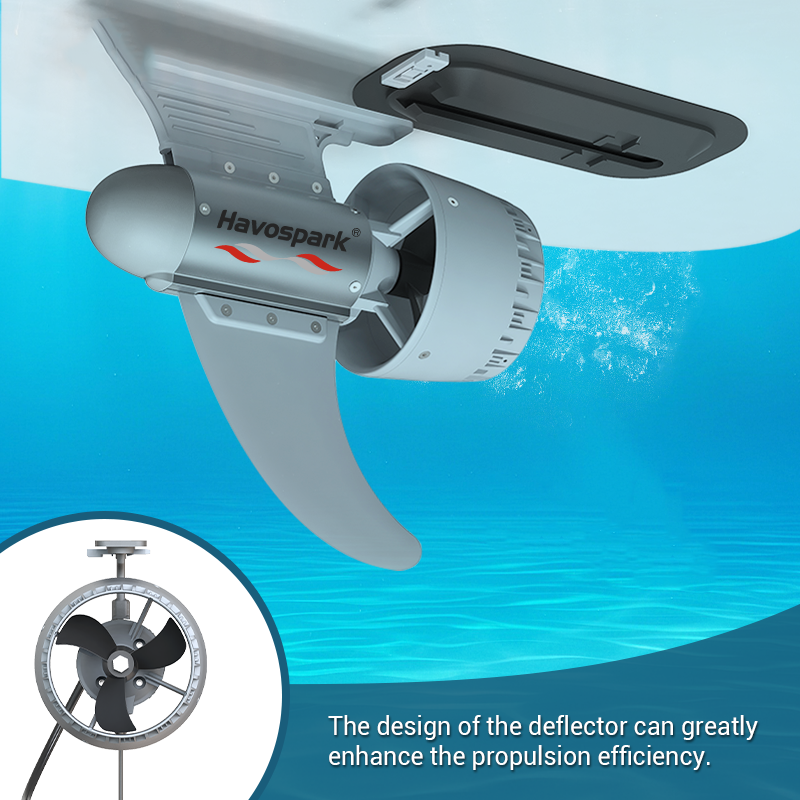
An underwater scooter—officially known as a Diver Propulsion Vehicle (DPV)—is a compact, battery-powered device that divers hold to glide effortlessly through the water. It features a waterproof electric motor driving a propeller, a rechargeable battery pack, and intuitive speed controls on the handle grips. Designed for neutral buoyancy, it remains stable when released—neither pulling upward nor sinking unexpectedly. Integrated safety features like auto-shutoff and depth alarms further support confident, worry-free operation.
Because the DPV handles propulsion, it fundamentally expands what’s possible underwater. By offloading the physical effort of swimming, it conserves air and energy, extending bottom time and enabling access to distant reefs, deep wrecks, or confined cave passages previously beyond practical reach. That same efficiency makes diving more inclusive for those with limited stamina—and leaves you fresher for photography, scientific observation, or simply absorbing the marine environment. In essence, a DPV transforms a standard dive into a longer, broader, and more immersive exploration experience.
Essential Pre-Dive Preparation for Safe Underwater Scooter Use
Proper preparation turns an underwater scooter from a novelty into a reliable exploration tool. A structured pre-dive routine prevents most technical failures by addressing mechanical integrity, environmental suitability, and personal readiness—before entering the water.
Matching Scooter Specifications to Dive Depth, Duration, and Environment
Selecting the right DPV requires aligning its capabilities with your dive plan—not just matching, but exceeding operational demands. Its maximum depth rating must provide a meaningful safety margin: a scooter rated to 40 meters is unsuitable for a 50-meter wreck dive, where pressure-induced seal failure becomes a real risk. Environmental conditions dictate essential features—neutral buoyancy and tow-line compatibility are non-negotiable for technical cave diving, while quiet, low-turbulence thrust matters most for reef-based wildlife observation. Strong currents demand higher torque and extended battery capacity to ensure safe return. As noted in a 2023 incident review by the Divers Alert Network (DAN), “inadequate thrust for conditions” contributed to 12% of reported DPV-related incidents—highlighting how critical this match truly is.
Critical Battery, Buoyancy, and Harness Compatibility Checks
Final functional checks must happen on deck or shore—not at the water’s edge. Battery status is the single most common cause of premature dive termination. Confirm a full charge, then test the dead-man’s switch: a brief trigger pull should activate the propeller, and immediate release must cut power without delay—validating both power delivery and auto-shutoff functionality. Next, assess buoyancy in a controlled setting (e.g., a rinse tank) to determine whether the unit floats, sinks, or remains neutral. This behavior must be factored into your overall weight system to prevent dangerous buoyancy shifts mid-dive. Finally, secure the harness and simulate an entanglement release with your drysuit or BCD inflated—ensuring the quick-release buckle operates smoothly under pressure. According to PADI’s DPV Specialty Manual, practicing this 30-second drill on the surface reduces uncontrolled-float incidents from stuck harnesses by over 40%.
Mastering Real-Time Underwater Scooter Operation and Safety Response
Real-time control of an underwater scooter transforms passive drifting into purposeful exploration—but it demands refined technique and unwavering situational awareness. Safe operation rests on three pillars: maintaining hydrodynamic trim, navigating with precision, and responding decisively to emergencies. Mastering these ensures the DPV enhances—not compromises—your safety and effectiveness underwater.
Maintaining Neutral Buoyancy and Trim While Propelled
Propulsion alters natural hydrodynamics, often inducing an upward pitch. Counteract this by slightly increasing negative buoyancy via your BCD, then fine-tuning with breath control. Keep the scooter ahead of you and maintain a fully extended, horizontal posture—legs together, fins pointed—to minimize drag. Streamlined trim isn’t just efficient; research in Undersea and Hyperbaric Medicine shows poor positioning can raise oxygen consumption by up to 25%. Periodically release the trigger to verify neutral buoyancy—if you rise or sink immediately, adjust before continuing. This discipline conserves air, protects fragile habitats from accidental contact, and supports precise maneuvering.
Navigation, Situational Awareness, and Avoiding Environmental Impact
Speed amplifies spatial consequences—so navigation under propulsion demands heightened focus. Agree on hand signals and a clear course with your buddy before each run. Maintain continuous 360-degree awareness: monitor depth, compass heading, battery level, and proximity to terrain. Set conservative speeds in swim-throughs or overhead environments. Stay at least two meters from coral to avoid silt plumes; DPV wakes can scour delicate structures and impair visibility for following divers. In low visibility, halve your speed and deploy a reel line for orientation. Remember: sound travels faster underwater—a sudden scraping noise or stalled propeller often signals entanglement before tactile feedback arrives. Proactive vigilance minimizes ecological impact and strengthens team safety.
Emergency Protocols: Stall Recovery, Entanglement Response, and Controlled Ascent
Mechanical stall or entanglement can escalate rapidly—making practiced response essential. If the propeller seizes, signal your buddy, release the trigger, and secure the scooter to a D-ring to prevent loss. Never reverse power to clear a tangle—it typically worsens the wrap. For fishing line or kelp, use a dedicated line cutter held away from your body, keeping the scooter pointed outward. In total power failure, ditch the unit only if it compromises buoyancy; otherwise, execute a controlled ascent at 9 meters per minute, venting your BCD deliberately to prevent runaway ascent. These drills should be rehearsed in shallow, controlled conditions until responses become automatic—ensuring calm, effective action when stress peaks.
Frequently Asked Questions (FAQ)
What is an underwater scooter?
An underwater scooter, also known as a Diver Propulsion Vehicle (DPV), is a battery-powered device used by divers to glide through water effortlessly. It features a motorized propeller and intuitive controls for easy operation.
How does an underwater scooter make diving easier?
An underwater scooter reduces the physical effort required for swimming, conserves air and energy, and allows divers to cover greater distances, explore deeper areas, and enjoy extended bottom times.
What pre-dive checks are essential for underwater scooter use?
Key checks include battery charge verification, buoyancy assessment, harness compatibility testing, and ensuring the scooter meets the demands of your dive environment.
How can I operate an underwater scooter safely?
Maintain neutral buoyancy and hydrodynamic trim, stay aware of your surroundings, agree on navigation signals with your buddy, and practice emergency protocols like stall recovery and controlled ascent.
Is an underwater scooter suitable for all dive environments?
Underwater scooters are versatile but must be chosen based on specific dive conditions like depth, current strength, and environmental sensitivity.