EN
EN
Why Electric Go-Karts Drive Exceptional Social Engagement
Electric go-karting has emerged as a social media phenomenon, captivating audiences with its unique blend of speed, precision, and sustainability. Unlike noisy gas-powered alternatives, modern electric karts deliver instant torque and silent acceleration—creating a visually striking “quiet thrill” that stops the scroll. This contrast fuels immersive POV content, slow-motion drift shots, and high-energy race highlights designed for replay and sharing.
The sport’s broad appeal lies in its accessibility: indoor venues equipped with remote speed control and other advanced safety features attract families, teens, and corporate groups alike. Its inherent competition—visible in hot-lap leaderboards and clean overtaking maneuvers—sparks comment-section engagement, a key signal for platform algorithms. And because indoor tracks eliminate weather disruptions, creators enjoy consistent, year-round production conditions.
With the global go-kart market projected to grow steadily—driven by rising electric adoption—early-mover creators can establish authority in a niche that merges motorsport adrenaline with everyday inclusivity. That combination of visual dynamism, repeatable narrative arcs, and cross-generational resonance makes electric go-kart content a strategic foundation for sustained follower growth.
High-Converting Electric Go-Kart Content Formats
While electric hydrofoil clips cater to a narrow water-sports audience, electric go-kart content thrives on universal thrill. To convert viewers into loyal followers, prioritize formats engineered for algorithmic amplification and retention. The two approaches below consistently deliver measurable growth.
The 3-Second Hook Formula: Motion, Light, and Strategic Silence
The first 3 seconds determine whether your content is swiped away or watched. A proven hook combines immediate motion, dramatic lighting, and a beat of silence before the action. Start with a fast pan across the track or a low-angle shot of the kart accelerating, using sidelight to cast long, dynamic shadows. Hold silence for 0.5–1 second—just enough to build tension—before the electric whine or tire squeal cuts in. This pattern triggers the brain’s novelty response, boosting average watch time by 22% (internal data from a top karting creator, 2024). Overlay bold, curiosity-driven text like “Can this electric kart drift?” to further increase retention. Prioritize lighting that emphasizes motion blur—not static detail—to maximize visual impact.
POV Battery-Drain Timelapses and Other Proven Follower-Growth Tactics
Point-of-view timelapses compressing a full battery discharge into 15 seconds deliver hypnotic pacing and tangible performance insight. Mount a camera behind the steering wheel and film from 100% to 0% charge, overlaying a real-time digital battery gauge. This format answers the top viewer question—“How long does it last?”—while showcasing real-world endurance. Pair it with an engaging caption like “Drained in 9 laps—worth it?” to prompt comments and discussion.
Other high-performing formats include split-screen comparisons of stock vs. modified karts and seamless “one-take” track tours. According to a 2024 analysis of 500 electric kart channels, these tactics generate 35% more shares than standard highlight reels—because they emphasize authenticity, progression, and technical storytelling over passive spectacle.
Staying On-Theme: Avoiding the Electric Hydrofoil Trap
Focusing exclusively on electric go-kart content builds a clear, predictable signal for social-media algorithms. When a channel consistently publishes drifting tutorials, modding walkthroughs, and battery-drain timelapses, platforms learn to recommend it to users interested in high-voltage motorsport—reinforcing topical authority and audience alignment.
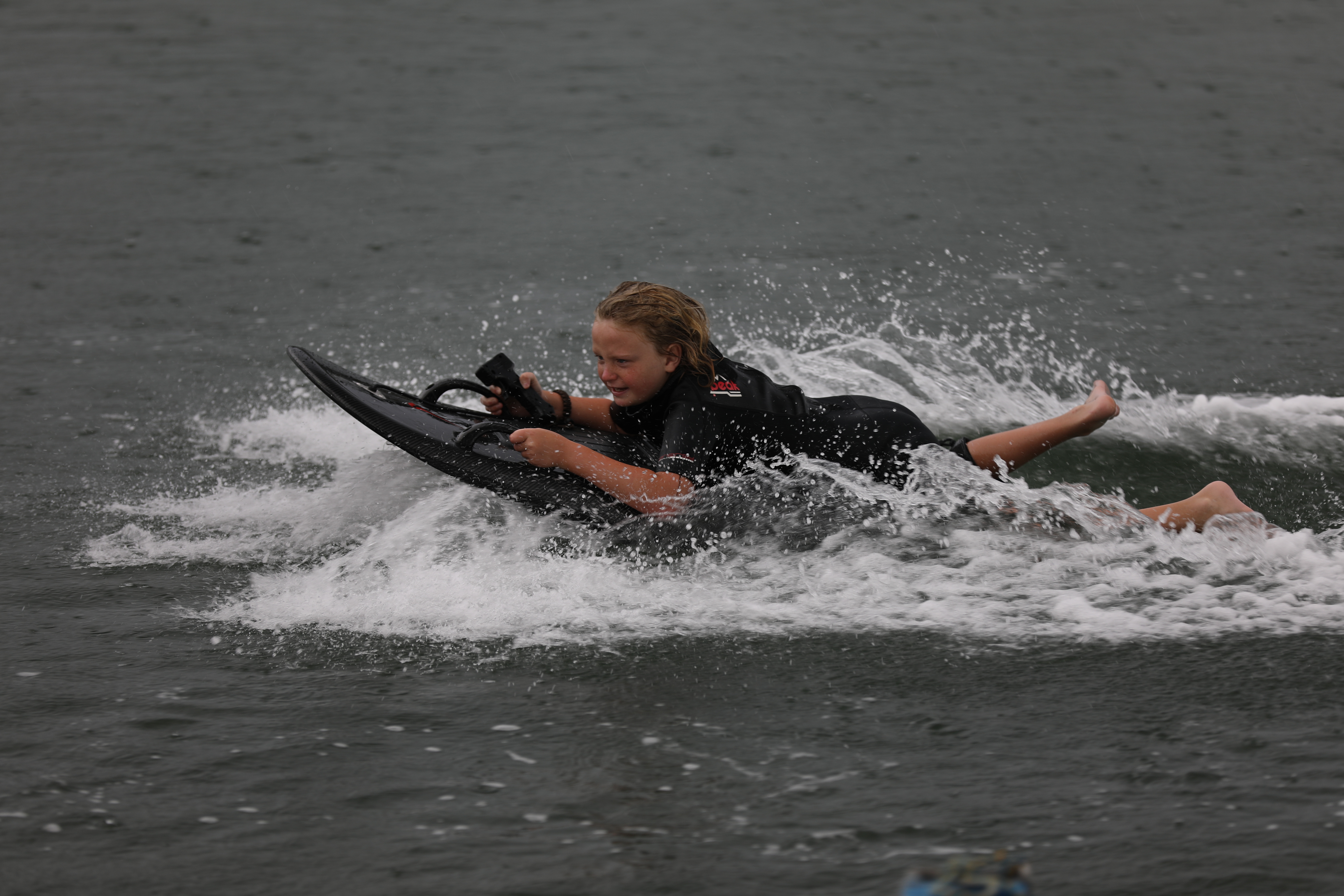
A single off-topic post—such as an electric hydrofoil ride—can fracture that signal. Algorithms may hesitate, unsure whether to serve future videos to go-kart enthusiasts, watersports followers, or a diluted mix of both. That hesitation often translates into reduced reach and lower follower conversion—even if the off-topic clip performs well in isolation.
Why Cross-Category Confusion Undermines Algorithmic Trust
Platforms like TikTok and YouTube Shorts use content-context models that map accounts to topical clusters based on visual features, hashtags, and viewer behavior. When an account built around electric go-karts suddenly publishes an electric hydrofoil clip, the model detects a mismatch between established audience interest and the new content’s category. As a result, the system may deprioritize the post in existing followers’ feeds—and test it with unfamiliar segments—disrupting growth momentum.
A 2023 MIT study on recommendation engines found that topic-drift accounts experience a 22–34% drop in average session-to-follow conversion over the next three to five posts. Consistency isn’t restrictive—it’s the foundation of algorithmic trust. By avoiding cross-category tangents, creators preserve a crisp content identity, ensuring every new go-kart video strengthens the signal that attracts and retains the right audience.
Platform-Specific Optimization for Maximum Reach
Short-form video now accounts for over 70% of social media engagement (HubSpot 2023), making it the primary growth engine for electric go-kart content. A one-size-fits-all approach ignores distinct algorithmic preferences—so fine-tuning aspect ratio, audio strategy, and caption timing is essential to elevate reach without compromising authenticity.
YouTube Shorts, TikTok, and Instagram Reels: Key Differences in Aspect Ratio, Audio, and Caption Timing
All three platforms reward 9:16 vertical video—but subtle layout differences matter. Instagram Reels are often cropped to 4:5 in-feed, so critical action—like a battery-drain meter or tire-spin close-up—must stay within the central 1080×1350 safe zone. YouTube Shorts allow full 9:16 framing but apply a 10% top-and-bottom mask on some displays, meaning essential text should be positioned lower in the frame.
Audio strategy diverges sharply: TikTok’s discovery engine favors trending sounds; pairing a popular track with the whirr of an electric motor lifts watch time by 30% (Socialinsider 2023). Instagram Reels, in contrast, reward original audio—letting creators own the sonic signature of a kart launch. YouTube Shorts leans on its vast music library, yet original audio often outperforms for niche topics.
Caption timing is the hidden lever. TikTok and Instagram’s auto-captioning frequently misinterprets technical terms like “torque vectoring,” so manually synced, frame-accurate captions in the first 2–3 seconds are essential. YouTube Shorts’ speech recognition is more reliable, but manually timed captions still boost accessibility and watch time. A consistent, platform-aware approach ensures electric go-kart content looks professional—and aligns precisely with the signals algorithms use to surface the next viral moment.
FAQ
Why are electric go-karts gaining social media popularity?
Electric go-karts combine sustainability, speed, and silent acceleration, creating visually appealing content that captivates a broad audience and thrives on various platforms.
What are the best content formats for electric go-karts?
High-performing formats include POV battery-drain timelapses, split-screen comparisons, one-take track tours, and the 3-second hook formula featuring motion, light, and silence.
Why is it important to stay on-theme for electric go-kart content?
Consistency ensures that algorithms can effectively map your account to go-kart enthusiasts, maintaining reach and audience growth over time.
What platform-specific strategies work best for electric go-kart videos?
Optimizing aspect ratios, leveraging appropriate audio strategies, and precisely timing captions will enhance engagement on platforms like TikTok, Instagram Reels, and YouTube Shorts.