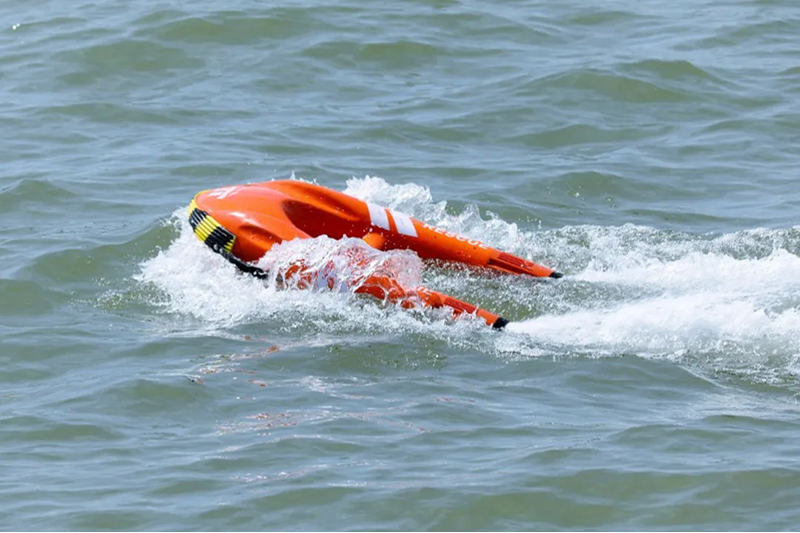
Tour operators are increasingly turning to electric jet boats for their zero emission excursions in places where nature needs protection. These boats run so quietly that they disturb local wildlife about 70 percent less than traditional engines according to Marine Conservation Society data from 2023. This quietness helps meet those tough eco certification requirements many operators have to follow. What's really important too is that there are no exhaust fumes or risk of fuel spills when using these electric models, which makes all the difference for protecting delicate underwater environments during reef and mangrove exploration trips. The numbers speak for themselves actually. Many boat companies have seen around 35% jump in customer satisfaction ratings since switching over to electric power. Guests just seem happier with the whole experience because everything feels cleaner, quieter, and somehow more respectful towards the environment.
Electric jet propulsion gives passengers a ride so smooth and quiet they can actually hear what's going on around them during those guided tours. The noise stays under 65 decibels, which is actually quieter than people chatting normally. That means guests get to listen to birds singing and waves crashing without any engine roar getting in the way. Most folks love this peaceful aspect. According to recent surveys, nearly 9 out of 10 tourists mentioned feeling calm and relaxed as their favorite part after taking these trips. Boat operators have noticed this too. They're leveraging the quiet operation to stand out from other tour companies and justify charging more for their services in crowded coastal areas where competition runs fierce.
One major operator in the Nordic region recently swapped out their entire diesel fleet for four brand new electric jet boats, cutting down hourly running costs dramatically from around $98 an hour to just $57. The biggest money saver? No more burning through expensive diesel fuel. This change alone saved them about $740,000 each year on fuel expenses. Maintenance costs also took a big hit, dropping by roughly 80% because electric boats have much simpler mechanical systems compared to traditional engines. Plus, they started getting special deals at harbors thanks to government programs that reward eco-friendly vessels. All these factors combined meant the initial investment was completely recouped within just 18 months. And as if the financial benefits weren't enough, carbon emissions plummeted by 158 metric tons annually. This real world example shows that going green doesn't always mean sacrificing profits when it comes to marine tourism operations.
In busy city waterways and sensitive environmental zones, electric jet boats simply work better than their diesel counterparts. The instant power delivery and pinpoint control makes navigating narrow canals much safer, cutting down on accidents where boats might otherwise scrape against docks or other vessels. Plus, these electric boats run completely silent, which means less annoying noise for people living nearby. And there's no smoky exhaust either since they produce zero emissions during operation something that really matters in port cities struggling with poor air quality. Harbor traffic actually accounts for about a quarter of all emissions at most ports, so switching to electric power isn't just good practice it's becoming essential for many municipalities. Looking at the bottom line too, electric ferries cost around half to three quarters less to operate because they don't need constant refueling or expensive engine maintenance. What's even more impressive is how efficiently they convert energy most electric systems turn over 90% of their power into actual movement forward, whereas old fashioned combustion engines waste about two thirds of what they burn.
The world's growing focus on reducing emissions is pushing many toward electric jet boats as alternatives. Major ports including Los Angeles and Hamburg have put in place tough rules regarding nitrogen oxides and particulate matter, which basically means older diesel ships can't dock there anymore if they don't meet standards. Meanwhile, there are financial benefits too. Programs like the US Clean Ports initiative actually pay boat owners back up to three quarters of what it costs to switch to electric power. Take Norway for instance, where they've rolled out more than seventy electric ferry services across their waters. These ferries alone save around forty million liters of marine fuel every single year. And let's not forget about carbon credits either. Operators who manage to cut down on two thousand metric tons of CO2 annually from each ship can actually earn money through carbon markets. All these factors combined mean going electric isn't just about following regulations anymore it's becoming smart business sense particularly for shorter trips less than 250 nautical miles where battery powered boats work best economically speaking.
Electric jet boats work really well in certain industrial settings because they don't produce any emissions and run pretty quietly. Fish farmers love them too since the quiet operation means they can check on fish stocks without scaring away the fish or causing stress in aquatic environments. When it comes to dredging operations, these boats deliver immediate power which lets operators maneuver carefully around delicate structures. Many port authorities have started using electric jet boats for patrolling harbors and moving cargo around, especially in busy areas where space is tight and there are strict emission rules. Plus, no visible propellers means less chance of getting caught up in debris when cleaning up after storms or accidents, making these boats much safer to operate in tricky waterways.
Electric jet boats have their advantages but run into real problems when used heavily in industrial environments. When these vessels operate nonstop for 12 hours or more, the existing lithium-ion batteries simply cannot keep up, forcing crews to stop and recharge during shifts which throws off the whole workflow. Things get even worse in tropical ports where temperatures regularly exceed 95 degrees Fahrenheit. The heat takes a serious toll on batteries if proper cooling isn't maintained. Another issue arises from running at full throttle constantly against strong currents, something that cuts down the life of the powertrain components by around 30% compared to what happens during regular weekend trips. Because of all these challenges, there's clearly a market demand for industrial grade electric boats built specifically for this kind of work, complete with better cooling systems and faster charging options so operations don't come grinding to a halt.
Electric jet boats definitely cost more upfront but save money over time. Fuel alone makes a huge difference too diesel boats typically burn through 65 to maybe even 80 percent more cash each year compared to what electric versions spend nothing on fuel at all. Maintenance gets way cheaper too since electric motors only have about 40 percent of the moving parts found in traditional engines which means mechanics visit much less often. Take the example of GreenWave Tours in Norway who switched their whole boat fleet to electric power back in 2023. Their bottom line improved dramatically with overall operating costs dropping around 42 percent according to their own reports from last year.
| Cost Factor | Electric Jet Boats | Diesel Counterparts |
|---|---|---|
| Fuel/Energy | $3.2k/year | $15k/year |
| Annual Maintenance | $1.8k | $4.1k |
| Engine Overhaul | Not required | $8k/5 years |
When evaluating electric jet boats, prioritize these operational factors:
Total cost of ownership (TCO) analysis should extend beyond purchase price. For most commercial operators, operational savings offset the higher upfront investment in electric jet boats within 3–5 years.

We aim to thrill the industry with creativeness at all times while providing our customers with high user value. Havospark always regards innovation as the first principle for product development.
501, Building 1, Boying Building, No.18 Qingshuihe Third Road, Qingshuihe Community, Qingshuihe Sub-District,Luohu District, Shenzhen
Copyright © Shenzhen Hoverstar Innovations Technology Co. , Ltd. All Rights Reserved. Privacy Policy
 EN
EN


 Hot News