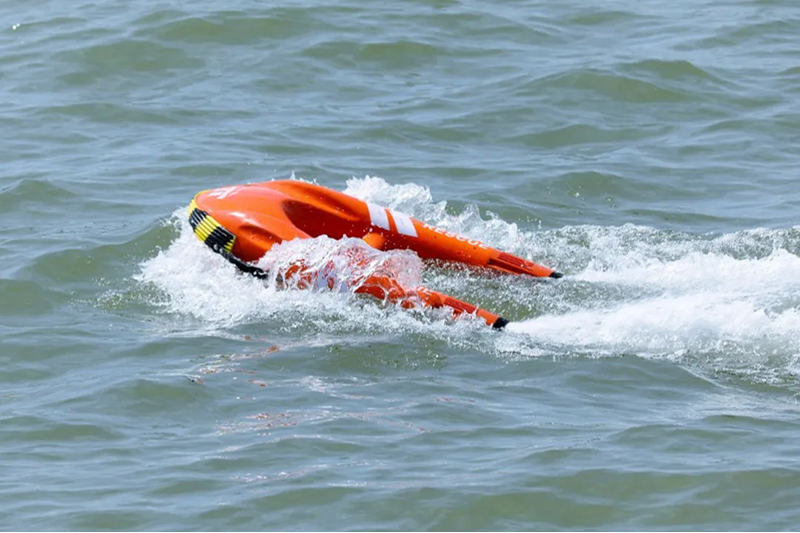
Effective firefighting rescue operations in aquatic environments demand specialized tools designed for speed, safety, and reliability. These instruments enable teams to navigate hazards like swift currents, cold water, and submerged obstacles while prioritizing responder and victim safety.
Throw bags come into play almost instantly when needed, equipped with around 50 to 75 feet of floating rope that lets rescue teams reach people stuck across dangerous waters without having to risk their own lives in treacherous currents. What makes these tools so effective? The bright colored polypropylene ropes stay afloat easily, the bags themselves are weighted just right for making those critical throws land where they need to go, and there's always that handy quick release mechanism ready for action if someone needs another shot at saving someone else. According to recent data from the US Search and Rescue Task Force in 2023, using these rope techniques cuts down on how often rescuers get exposed to risky situations by about three quarters compared to jumping straight into the water themselves.
Water rescue Type III PFDs offer at least 15.5 pounds of buoyancy support while still allowing full range of motion needed for effective swimming and pulling victims from danger. The best models for rescue work come equipped with front zippers so responders can put them on quickly when time is critical. They also include those handy back handles for dragging someone through rough water, plus extra webbing where gear like radios or cutting tools can be attached. According to recent data from the US Coast Guard in their 2024 report, getting the right fit makes all the difference – properly worn life jackets stop around eight out of ten drowning deaths during actual rescue operations. That's why fitting checks are part of every training session before heading into the field.
In situations involving deep water or flooding conditions, rigid inflatable boats (RIBs) featuring self-draining decks provide reliable platforms when multiple victims need rescue. These boats have specially designed hull shapes that let them reach speeds around 25 knots even in rough water conditions. They can also get pretty close to underwater structures because they sit so low in the water, plus they turn really well all around obstacles without much trouble. Rescue teams often fit these boats with thermal imaging equipment too, which makes finding people at night much faster. Some training experts say this tech cuts down on search time by roughly 40 percent during nighttime missions, though actual results might vary depending on specific circumstances.
The right kind of Personal Protective Equipment (PPE) makes all the difference when fighting fires on or near water where people risk getting hypothermia or injured. Firefighters rely on impact resistant helmets that come with built in lights so they can see what's going on even when waves are crashing around them. Their neoprene gloves have those special textured palms which let them grip ropes tightly and pull victims out safely even when fingers start going numb from cold water below freezing point. For their feet, there are these buoyant boots with really good traction soles plus extra warm lining inside that stops immersion foot problems after being submerged for hours at a stretch. Some recent studies looking at water safety back this up too showing that having adequate thermal protection actually boosts how long rescuers can stay effective underwater by about forty percent when temperatures drop below ten degrees Celsius, which means longer lasting rescue operations overall.
Drones are changing how we save people from water accidents by getting life saving gear to those stuck in hard to reach spots really fast. These unmanned aerial vehicles come with special systems that let them drop auto inflating life buoys or throw out floating lines as far as 200 meters even when currents are strong. There are also ground based launchers that shoot rescue lines accurately most of the time (about 90%) across distances up to 150 meters, which was tested successfully last year in real world conditions. Putting these together makes a huge difference in emergency situations. Response times get slashed by around two thirds compared to old fashioned methods, giving folks something to hold onto while waiting for boats to arrive. When big floods hit and hundreds might be in danger at once, having both drones and launchers working together gives rescue teams so much more power to actually save lives because every second counts in these situations.
Selecting the right water rescue tools requires a strategic approach centered on responder safety and mission success. Fire departments should begin with a risk assessment of their operational area—evaluating waterway complexity, seasonal hazards, and historical incident data. Equipment decisions must then align with three core pillars:
For sustainable firefighting rescue work, three things matter most: proper training, regular maintenance, and staying ready at all times. Good training should cover actual situations firefighters might face, like throwing bags across fast moving water or stabilizing victims while riding in rigid inflatable boats. These hands-on practices help crews react instinctively when pressure is high. The Ponemon Institute found that improper equipment handling causes around 7 out of 10 operational problems, each incident typically running up costs close to $750,000 last year alone. Regular maintenance means checking everything regularly - testing life jackets for buoyancy, running diagnostics on boat engines, keeping track digitally of all these checks. Being prepared isn't just about having good gear though. Teams need to constantly assess risks in their environment and update their emergency plans accordingly. When departments combine realistic training exercises with smart maintenance schedules and flexible planning approaches, they stay battle ready even during complicated water rescues where conditions can change rapidly.
We aim to thrill the industry with creativeness at all times while providing our customers with high user value. Havospark always regards innovation as the first principle for product development.
501, Building 1, Boying Building, No.18 Qingshuihe Third Road, Qingshuihe Community, Qingshuihe Sub-District,Luohu District, Shenzhen
Copyright © Shenzhen Hoverstar Innovations Technology Co. , Ltd. All Rights Reserved. Privacy Policy
 EN
EN
 Hot News