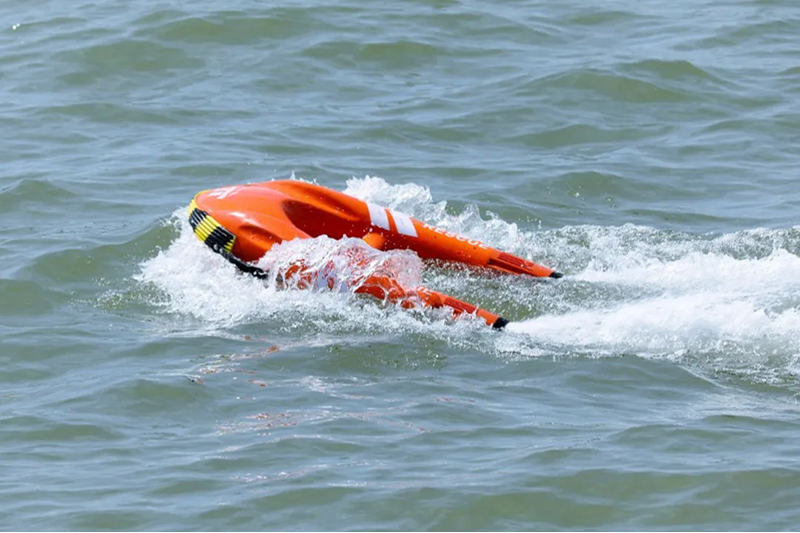
ကုန်သွယ်ရေးလုပ်ငန်းရှင်များအတွက် နေ့စဉ်ခရီးစဉ်များစွာကို လုပ်ကိုင်ရာတွင် မြင့်မားသော မော်ကွန်းစွမ်းအားကို ထိန်းသိမ်းရန် လုံးဝလိုအပ်ပါတယ်။ brushless motor တွေအတွက်ဆိုရင် 3 ကနေ 10 kW ကြားမှာရှိတာကြောင့် ရေထဲမှာရှိစဉ်မှာ စွမ်းဆောင်ရည် ရုတ်တရက် ကျဆင်းစေတဲ့ နံပါတ်တစ် ပြဿနာဖြစ်တဲ့ အပူပိုင်း နှိပ်စက်မှုကို ခံနိုင်ရည်ရှိဖို့ လိုပါတယ်။ အလုပ်သမားအများစုဟာ ဒီအခြေအနေကို အချိန်ကြာကြာလုပ်နေစဉ်မှာ ကိုယ်တိုင်ကြုံတွေ့ဖူးကြပါတယ်။ အပူလွှဲပြောင်းမှုအတွက် အထူးပြုလုပ်ထားတဲ့ အခန်းပစ္စည်းတွေနဲ့ ပေါင်းစပ်ထားတဲ့ အရည်အအေးပေးခြင်း ဖြေရှင်းနည်းတွေဟာ နာရီများစွာ ဆက်တိုက် အလုပ်လုပ်နေချိန်တောင် စွမ်းအင်ထုတ်လွှတ်မှု ၈၅% အောက်ကို ကျဆင်းခြင်းကနေ ကာကွယ်ပေးပါတယ်။ Ponemon မှ မကြာသေးမီက ထုတ်ပြန်သော စက်မှုလုပ်ငန်း အစီရင်ခံစာများအရ (၂၀၂၃) တွင် မော်တာပျက်စီးမှုအားလုံး၏ လေးပုံတစ်ပုံခန့်သည် ဆားရေအခြေအနေများတွင် အပူလွန်ကဲခြင်းကြောင့် ဖြစ်ပေါ်သည်။ ဒါကြောင့်မို့လို့ တော်တော်များများက အပူချိန်အာရုံခံကိရိယာတွေ တပ်ဆင်ထားကြလို့ အပူချိန်များလွန်းလာရင် သတိပေးပေးကြပြီး ထိရောက်မှု ကျဆင်းသွားရင် ထိန်းသိမ်းရေးအဖွဲ့တွေ ဝင်ရောက်ကူညီနိုင်ကြတယ်။
စမ်းသပ်ခန်းများတွင် တွေ့ရသည့် ဘက်ထရီအသက်တာနှင့်ပတ်သက်သည့် ဂဏန်းများသည် ဤကိရိယာများကို လက်တွေ့ဘဝအခြေအနေများတွင် အသုံးပြုသည့်အခါတွင် မကောင်းမွန်သည့် အခြေအနေများကို မဖော်ပြနိုင်ပါ။ ပင်လဲရေများ ပါဝင်ခြင်း၊ စီးသူများ၏ ကိုယ်အလေးချိန်သည် ၇၅ ကီလိုဂရမ်မှ ၁၁၀ ကီလိုဂရမ်အထိ ရှိခြင်းနှင့် အမြဲတမ်း လှုပ်ရှားနေသည့် လှိုင်းများ စသည့် အခြေအနေများတွင် အများစုသည် တစ်ကြိမ်အားသုံးခြင်းဖြင့် ၄၀ မှ ၆၅ မိနစ်သာ အသုံးပြုနိုင်ပါသည်။ တစ်နေ့တာအတွင်း စက်ကိရိယာများကို အသုံးပြုနေသည့် လုပ်သမ်းများအတွက် ဘက်ထရီများကို အများဆုံးမှန်ကန်စွာ အလွ easily အစားထိုးနိုင်ခြင်းသည် အလွန်အရေးကြီးပါသည်။ ဤစနစ်များသည် တစ်နေ့လျှင် အနည်းဆုံး အားသုံးခြင်း ၁၀ ကြိမ်အထိ အသုံးပြုနိုင်ရမည်ဖြစ်ပြီး ပါဝါအား အလွန်မြန်မြန် ကုန်ခမ်းသွားခြင်းများ မဖြစ်စေရပါ။ လစ်သီယမ်-အိုင်ယွန် ဘက်ထရီများသည် အပြည့်အဝ အားသုံးခြင်း ၅၀၀ ကြိမ်ပြီးနောက်တွင်ပါ မူလစွမ်းအား၏ ၈၀% ခန့်ကို ထိန်းသိမ်းပေးနိုင်ရမည်ဖြစ်ပါသည်။ ဤသည်မှာ စျေးကွက်ရှာဖွေရေးအတွက် အကြောင်းပြချက်များသာမက ထုတ်လုပ်သူများ၏ အဆိုအမိန့်များသာမက အပြင်ပိုင်းစမ်းသပ်ခန်းများမှ အမှန်တကယ် စမ်းသပ်မှုများဖြင့် အတည်ပြုထားရမည်ဖြစ်ပါသည်။
ပရောဖက်ရှင်နယ်အသုံးပြုမှုအတွက် ခိုင်မာသော ပတ်ဝန်းကျင်ထိန်းသိမ်းရေးသည် မည်သည့်အခါမျှ လွဲခွင့်မပေးနိုင်ပါ။
| လက်မှတ် | ကာကွယ်မှုအဆင့် | ကုန်းသောင်းဆိုင်ရာ အရေးပါမှု |
|---|---|---|
| IP68 | ရေအောက်တွင် စိမ်ထားနိုင်သည် (၁ မီတာအထက် ၃၀ မိနစ်အထက်) | လေးလံသောရေလှော်မှုနှင့် လှော်ပျော့ခြင်းအခြေအနေများတွင် ပင်လယ်ရေ ဝင်ရောက်မှုကို ကာကွယ်ပေးပါသည်။ |
| ISO 12215-9 | ဟူးလ်၏ ဖွဲ့စည်းပုံဆိုင်ရာ ဖိအားနှင့် ကိုက်ညီမှု | သင်ကြားရေးဝန်ထမ်းများ၏ အကူအညီဖြင့် လုပ်ဆောင်သည့် လှုပ်ရှားမှုများအပါအဝင် ၁၅၀ ကီလိုဂရမ် အထိ အရှိန်ပေးသည့် ဘောင်အားများအောက်တွင် ဖွဲ့စည်းပုံ၏ အသုံးဝင်မှုကို သေချာစေပါသည်။ |
| ASTM B117 | မိုးရေ ဆားဓာတ်ဖြင့် ၅၀၀ နာရီအထ do ခံနိုင်ရည် | ပုံမှန်အလူမီနီယမ် သို့မဟုတ် အလုပ်လုပ်ထားသည့် သံမဏိထက် ၆၂% အထိ သေးငယ်သည့် အရေးပါသည့် အရေးပါမှုများကို လျော့နည်းစေပါသည်။ |
လျှပ်စစ်ဆိုင်ရာ ပိုက်ကွန်၊ ချိတ်ဆက်မှုများနှင့် ချိတ်စက်များအားလုံးသည် ပင်လယ်ရေအတွက် အထူးပြုထားသည့် သံမဏိ သို့မဟုတ် တိုင်တေးနီယမ်ကို အသုံးပြုရမည်။ ဖွဲ့စည်းပုံဆိုင်ရာ ဖောမ်အများအားဖြင့် ၈ နာရီအထိ အလုပ်လုပ်သည့် အချိန်ကုန်တွင် ဖိအားဖြင့် ပျော့ပါးမှု သို့မဟုတ် ပုံပျက်မှုများကို ခံနိုင်ရည်ရှိရမည်။
Radinn G2X Pro သည် ၇၂ โวล့တ်စနစ်ကို အသုံးပြုပြီး စီးပွားရေးလုပ်ငန်းများကို ရှည်လျားစွာ လုပ်ဆောင်နေစဉ်တွင် စွမ်းအားကို အမြဲတမ်းထိန်းသိမ်းပေးပါသည်။ ဘက်ထရီနှစ်လုံးကို အတွင်းပိုင်းတွင် တပ်ဆင်ထားပါသည်။ ဖောက်သည်အုပ်စုများကြား ရှေးနေသည့်အခါ ၅ မိနစ်အတွင်း ဘက်ထရီများကို အလွယ်တကူ အစားထိုးနိုင်ပါသည်။ ထို့ကြောင့် အားသွင်းရန် စောင်းစွပ်ရန် မလိုအပ်ပါ။ လိုအပ်သည့်အချိန်တွင် ၃.၅ ကီလိုဝပ် စွမ်းအားကို အပြည့်အဝ ရရှိနိုင်ပါသည်။ အတွင်းပိုင်း အပူချိန်ထိန်းချုပ်မှုစနစ်သည် ရေအပူချိန် စင်တီဂရိတ် ၃၀ ဒီဂရီကျော်သောအခါတွင်ပါ မော်တာများ ချောမွေ့စွာ လုပ်ဆောင်နေစေရန် အလုပ်လုပ်ပါသည်။ ၁.၈ ကီလိုဝပ်နာရီ ဘက်ထရီတစ်လုံးစီသည် ၁၀၀ ကီလိုဂရမ်အထက် ဝန်ကို ၄၅ မှ ၅၅ မိနစ်ကြာအောင် သယ်ဆောင်နိုင်ပါသည်။ အကုန်အကူးများကို စီမံခန့်ခွဲသည့် ကုမ္ပဏီများအတွက် ဤစနစ်သည် သိုလှောင်ခြင်းအခန်းများတွင် အပိုပစ္စည်းများ လိုအပ်မှုကို သိသိသာသာ လျော့နည်းစေပါသည်။
Jetfly မှ အကျုံးဝင်သော စက်မှုလျှပ်စစ်မော်တာသည် ကိရိယာမလိုသော ဒီဇိုင်းဖြင့် ရေပေါ်တွင် စီးနေသော စီးပွားရေးလုပ်ငန်းများအတွက် ပုံမှန် စီးပွားရေးလုပ်ငန်းများထက် ပုံမှန် ရေပေါ်စီးဘုတ်များ၏ ပြုပြင်မှုအချိန်ကို ၇၀% ခန့် လျော့ချပေးပါသည်။ ၎င်းတို့၏ ရေအေးပေးသော စတေတာများသည် ဆားရေပေါ်တွင် ၅၀၀ နှစ်ကြာ စမ်းသပ်မှုများကို ဖောက်ထွင်းပြီးနောက်တွင်ပါ ၉၂% အထိ စွမ်းအားထိန်းသိမ်းနိုင်ပါသည်။ ကြီးမားသော စီးပွားရေးလုပ်ငန်းများကို စီမံခန့်ခွဲသော ကုမ္ပဏီများအတွက် ဤစံချိန်သတ်မှတ်ထားသော အစိတ်အပိုင်းများသည် အထူးအရေးပါပါသည်။ စီးပွားရေးလုပ်ငန်းများကို စီမံခန့်ခွဲသော အဖွဲ့များသည် စီးပွားရေးလုပ်ငန်းများ၏ ၉၅% ကို ရေပေါ်တွင် အလုပ်လုပ်နေစေရန် လုပ်နေပါသည်။ အသုံးပြုနေသော စီးပွားရေးလုပ်ငန်းများ ၂၀ ခုအတွက် အပိုအစိတ်အပိုင်း ၃ ခုသာ လိုအပ်ပါသည်။ ဤပုံစံသော အသုံးပြုမှုသည် အလတ်စား စီးပွားရေးလုပ်ငန်းများအတွက် နှစ်စဥ် ပြုပြင်မှုစရိတ်များကို သိသိသာသာ လျော့ချပေးပါသည်။ Ponemon ၏ အကြီးမားဆုံး သုတေသနအရ နှစ်စဥ် ၇၄၀,၀၀၀ ဒေါ်လာ ခန့် စုဆောင်းနိုင်ပါသည်။
မှုန်းသည့် အချိန်တွင် စွမ်းအားကို ဖြန့်ဝေရန် ၅ ကီလိုဝပ် မော်တာ နှစ်လုံးသည် တစ်ပါတည်း အလုပ်လုပ်ကြသည်။ ထို့ကြောင့် သင်ကြားသူများသည် လေ့ကျင့်သူများ ဘေးကင်းစွာ လေ့ကျင့်နိုင်ရန် အထူးသဖြင့် မှုန်းမှုမရှိသော နေရာများကို ဖန်တီးနိုင်သည်။ လေ့ကျင့်သူများ တစ်ချိန်တည်းတွင် ဆွဲခေါ်ခံရသည့်အခါကဲ့သို့ လှေပေါ်တွင် အလေးချိန်မညီမျှမှုရှိသည့်အခါတွင် လေ့ကျင့်သူများသည် အလိုအလျောက် ညှိပေးပါသည်။ ထိုသို့ဖြင့် ဘယ်ဘက် သို့မဟုတ် ညာဘက် ၁၅ ဒီဂရီအတွင်း တည်ငြိမ်မှုကို ထိန်းသိမ်းပေးပါသည်။ အထူးသင်ကြားရေး ခွင့်ပြုချက်အတွက် အများဆုံးအမြန်နှုန်းကို ၂၉ ကီလိုမီတာ/နာရီ (မှန်းခြေအားဖြင့် ၁၈ မိုင်/နာရီ) အထိ ကန့်သတ်ထားပါသည်။ သို့သော် အောက်ပိုင်းတွင် လုံလောက်သော စွမ်းအားကို ထိန်းသိမ်းထားပါသည်။ ထို့ကြောင့် လိုအပ်သည့်အခါတွင် သင်ကြားသူများသည် အများဆုံးအမြန်နှုန်းဖြင့် ချက်ချင်း ညှိပေးနိုင်ပါသည်။ မော်တာတစ်လုံး ပျက်သွားပါက အခြားမော်တာတစ်လုံးသည် အပြည့်အဝ အစားထိုးပေးပါသည်။ ထိုသို့သော အပိုအကူအညီစနစ်သည် ရေကြောင်းအားကစား သင်ကြားရေးတွင် ယနေ့ခေတ်တွင် စံနှုန်းအတိုင်း လက်ခံထားသည့် အလုပ်ဖြစ်ပါသည်။
ဒီနေ့ခေတ်မှာ လျှပ်စစ်စီးပြားပြားတွေကို တရားဝင် အသုံးပြုချင်ရင် CE (European Union) နဲ့ UKCA (United Kingdom) လက်မှတ်တွေ ရဖို့ လိုအပ်ပါတယ်။ Brexit က ဒီနေရာမှာ တကယ့် ခေါင်းကိုက်မှုတွေ ဖန်တီးပေးထားတော့ လုပ်ငန်းရှင်တွေဟာ စနစ်နှစ်ခုကြားက ခြားနားချက်တွေကို ဂရုစိုက်ဖို့လိုပါတယ်။ UKCA စနစ်ဟာ UK စျေးကွက်အတွင်းမှာ ငှားရမ်းထားတဲ့ ဘုတ်တွေအတွက် သီးခြား နည်းပညာ စာရွက်စာတမ်းတွေကို လုံးဝ လိုအပ်ပါတယ်။ တစ်ချိန်တည်းမှာ ဥရောပ ဆိပ်ကမ်းတွေဆီ ဝင်ရောက်ဖို့ CE လက်မှတ်ထိုးမှုဟာ လုံးဝလိုအပ်နေဆဲပါ။ ဆိပ်ကမ်း အာဏာပိုင် တချို့ဟာလည်း စာရင်းတွေတင် မကန့်သတ်ကြပါဘူး။ မကြာခဏဆိုသလို တတိယလူတွေဆီကလည်း ထပ်လောင်း သက်သေခံဖို့ တောင်းဆိုကြတယ်။ အဲဒါဟာ တကယ်တမ်း မျောနိုင်စွမ်း စမ်းသပ်မှုတွေနဲ့ လိုအပ်တဲ့အခါမှာ အရေးပေါ် မော်တာ ပိတ်လိုက်တာ မှန်ကန်စွာ အလုပ်လုပ်တာကို အတည်ပြုမှုလို အရာတွေကို ပါဝင်နိုင်ပါတယ်။ ဒီလိုအပ်ချက်အားလုံးကို မပြည့်မီရင် လမ်းကြောင်းမှာ ပြင်းထန်တဲ့ ပြဿနာတွေ ဖြစ်ပေါ်နိုင်ပါတယ်။ လိုင်စင်ရပ်ဆိုင်းတာတွေဟာ ပုံမှန်ဖြစ်ပျက်ပြီး ကြီးမားတဲ့ ဒဏ်ငွေတွေလည်း ပါဝင်ပါတယ်။ မကြာသေးမီက သတင်းတစ်ခုမှာ မနှစ်က Maritime & Coastguard Agency ရဲ့ ဒေတာအရ ဒဏ်ခတ်မှုတွေဟာ လှေတစ်စင်းကို ပေါင် တစ်သောင်းအထိ မြင့်မားနိုင်တယ်လို့ ဖော်ပြထားပါတယ်။ နယ်စပ်တွေကို ဖြတ်သန်းပြီး လုပ်ငန်းတွေ လုပ်ကိုင်ကြတဲ့ လုပ်ငန်းတွေအတွက်၊ စခန်းချပြီးတဲ့ နောက်မှာ ပြဿနာတွေ ရှိလာရင် စခန်းချတာထက် နှစ်ခုစလုံးရဲ့ အသိအမှတ်ပြုချက်တွေကို ကြိုတင် စစ်ဆေးဖို့က စီးပွားရေးအရ အဓိပ္ပါယ်ရှိပါတယ်။
စွန်းထင်မှုအချက်များကို စုံစမ်းသုံးသပ်ရာတွင် အာမခံကုမ္ပဏီများသည် လုပ်ဖော်ကိုင်ဖက်အရေအတွက်၊ ဝန်ထမ်းများအား ပေးသည့် လေ့ကျင့်ရေး၏ အသေးစိတ်မှုနှင့် ကုမ္ပဏီ၏ လုပ်ဆောင်မှုများတွင် ထည့်သွင်းထားသည့် ဘေးကင်းလုံခြုံရေး အစီအမံများဟူ၍ အဓိကအားဖြင့် အချက်သုံးခုကို အလေးပေးပါသည်။ လှေအုပ်စုတွင် လှေအများအပြား (၁၀) စီးထက်ပိုများပါက လှေအများအပြားကို စီမံခန့်ခွဲရာတွင် ပါဝင်သည့် အပိုစွန်းထင်မှုများကြောင့် အာမခံစရိတ်များသည် ၁၅ ရှုံးမှ ၂၀ ရှုံးအထိ တက်လာပါသည်။ အများစုသော အာမခံကုမ္ပဏီများသည် သင်ကြားရေးဝန်ထမ်းများသည် အမေရိကန် ရေကြောင်းလှေလေ့ကျင့်ရေးအသင်း (ASA) သို့မဟုတ် အန်တာနေရှင်နယ် ကိုင်တ်ဘော်ဒင်းအဖွဲ့ (IKO) ကဲ့သို့သည့် အသိအမှတ်ပြုထားသည့် အဖွဲ့အစည်းများမှ သင်ကြားရေးအရည်အချင်း အထောက်အထားများ ရှိကြောင်း အထောက်အထားများကို လိုအပ်ပါသည်။ ၂၀၂၄ ခုနှစ်အတွက် ကမ္ဘာလုံးဆိုင်ရာ ရေကြောင်းအာမခံကုမ္ပဏီများ၏ အစီရင်ခံစာအရ ဤစံနှုန်းများကို လိုက်နာသည့် လုပ်ငန်းများတွင် တာဝန်ယူမှုဆိုင်ရာ တောင်းဆိုမှုများသည် ၄၀ ရှုံးခန့် လျော့နည်းလာပါသည်။ နည်းပညာဆိုင်ရာ ဘေးကင်းလုံခြုံရေး အင်္ဂါရပ်များတွင် ရင်းနှီးမှုများသည်လည်း အများကြီး ကွာခြားမှုရှိပါသည်။ UL 2272 အထောက်အထားပေးထားသည့် ဘက်ထရီများ သို့မဟုတ် အပိုမော်တာများပါဝင်သည့် စနစ်များဖြင့် တပ်ဆင်ထားသည့် လှေများသည် အာမခံကုမ္ပဏီများအား အာမခံစရိတ်များတွင် ၃၀ ရှုံးခန့် ချွေတာပေးနိုင်ပါသည်။ ဤအမြှင့်အက်များသည် မီးလောင်ခြင်း သို့မဟုတ် ပင်လုံးပေါ်တွင် မောင်းနှင်မွေ့နေခြင်းကဲ့သို့သည့် အန္တရာယ်များကို တကယ်တော့ ကာကွယ်ပေးနိုင်ပါသည်။ ထို့ကြောင့် အာမခံကုမ္ပဏီများသည် ဤအမြှင့်အက်များကို ငွေကြေးအရ အသိအမှတ်ပြုပေးပါသည်။
မော်တာများ ပျက်စီးခြင်း၏ အဖြစ်များသော အကြောင်းရင်းများတွင် အပူလျော့ချမှု (thermal throttling) နှင့် အပူလွန်ကဲခြင်းတို့ ပါဝင်ပါသည်။ အထူးသဖြင့် ပိုမိုဆိုးရွမ်းသော အခြေအနေများဖြစ်သည့် ပိုမိုဆားဓာတ်များသော ရေထဲတွင် ဖြစ်ပေါ်လေ့ရှိပါသည်။ ဤအခြေအနေများကို အရည်အေးခြင်းစနစ် (liquid cooling) နှင့် အပူချိန်ခြေရှားမှုစနစ် (temperature sensors) ဖြင့် လျော့ပါးစေနိုင်ပါသည်။
ဘက်ထရီအသက်တာသည် စီးဖို့ဘုတ်သည် တစ်ကြိမ်အားသွင်းပြီးနောက် အမှန်တကယ် အသုံးပြုနေသည့် အခြေအနေများတွင် မည်မျှကြာမျှ အလုပ်လုပ်နိုင်မည်ကို သတ်မှတ်ပေးပါသည်။ စီးဖို့ဘုတ်များကို စီးပွားရေးအသုံးပြုမှုအတွက် တစ်နေ့လျှင် အကြိမ်ပေါင်းများစွာ အားသွင်းနိုင်ရန် ဘက်ထရီများ လုံလေးစေရန် အရေးကြီးပါသည်။
အရေးကြီးသော အထောက်အထားများတွင် IP68 (ရေဒုတ်ခြင်းအတွက် အကာအကွယ်အဆင့်)၊ ISO 12215-9 (ဖွဲ့စည်းပုံဆိုင်ရာ ဖိအားများအတွက်) နှင့် ASTM B117 (ရှိုးစားမှုဒဏ်ခံနိုင်မှုအတွက်) တို့ ပါဝင်ပါသည်။ ဤအထောက်အထားများသည် လေးနက်သော ပင်လုံပတ်ဝန်းကျင်များတွင် စီးဖို့ဘုတ်များ၏ ယုံကြည်စိတ်ချရမှုနှင့် ခံနိုင်ရည်ရှိမှုကို အာမခံပေးပါသည်။
CE နှင့် UKCA လက်မှတ်များသည် ဥရောပနှင့် ယူကေတွင် ဥပဒေအရ လုပ်ဆောင်ခွင့်ရရှိရန်နှင့် ဆိပ်ကမ်းအာဏာပိုင်များ၏ အတည်ပြုခွင့်ရရှိရန် အရေးကြီးပါသည်။ ၎င်းတို့သည် ဘုတ်များသည် စျေးကွက်အသီးသီးတွင် လုံခြုံရေးနှင့် စွမ်းဆောင်ရည်စံနှုန်းများကို ဖော်ထုတ်ပေးပါသည်။
အာမခံသည် ဖလီးတ်အရွယ်အစား၊ ဝန်ထမ်းများ၏ လေ့ကျင်းမှုနှင့် အသုံးပြုထားသော လုံခြုံရေးအစီအမုံများကို ထည့်သွင်းစဉ်းစားပါသည်။ ဖလီးတ်အရွယ်အစားကြီးမှုနှင့် သင့်လျော်သော လုံခြုံရေးအစီအမုံများသည် အာမခံစရိတ်များနှင့် တာဝန်ခံမှုအာမခံကာကွယ်မှုကို အထိရောက်ဆုံးဖြင့် သက်ရောက်မှုရှိပါသည်။
ကျွန်ုပ်တို့သည် အမြဲအချိန်ယူ၍ ဖန်တီးမှုဖြင့် စက်မှုလုပ်ငန်းကို စိတ်လှုပ်ရှားစေရန် ရည်မှန်းပြီး စားသုံးသူများအား အသုံးပြုမှုတန်ဖိုးမြင့်မားစွာ ပေးစွမ်းပါသည်။ Havospark သည် ထုတ်ကုန်ဖွံ့ဖြိုးရေးအတွက် ပထမဦးစားပေးမှုအဖြစ် ဆန်းသစ်တီထွင်မှုကို အမြဲမှတ်ယူပါသည်။
501, Building 1, Boying Building, No.18 Qingshuihe Third Road, Qingshuihe Community, Qingshuihe Sub-District,Luohu District, Shenzhen
Copyright © Shenzhen Hoverstar Innovations Technology Co. , Ltd. All Rights Reserved. ကိုယ်ရေးကိုယ်တာမူဝါဒ
 EN
EN
 အရေးကြီးသော သတင်းများ