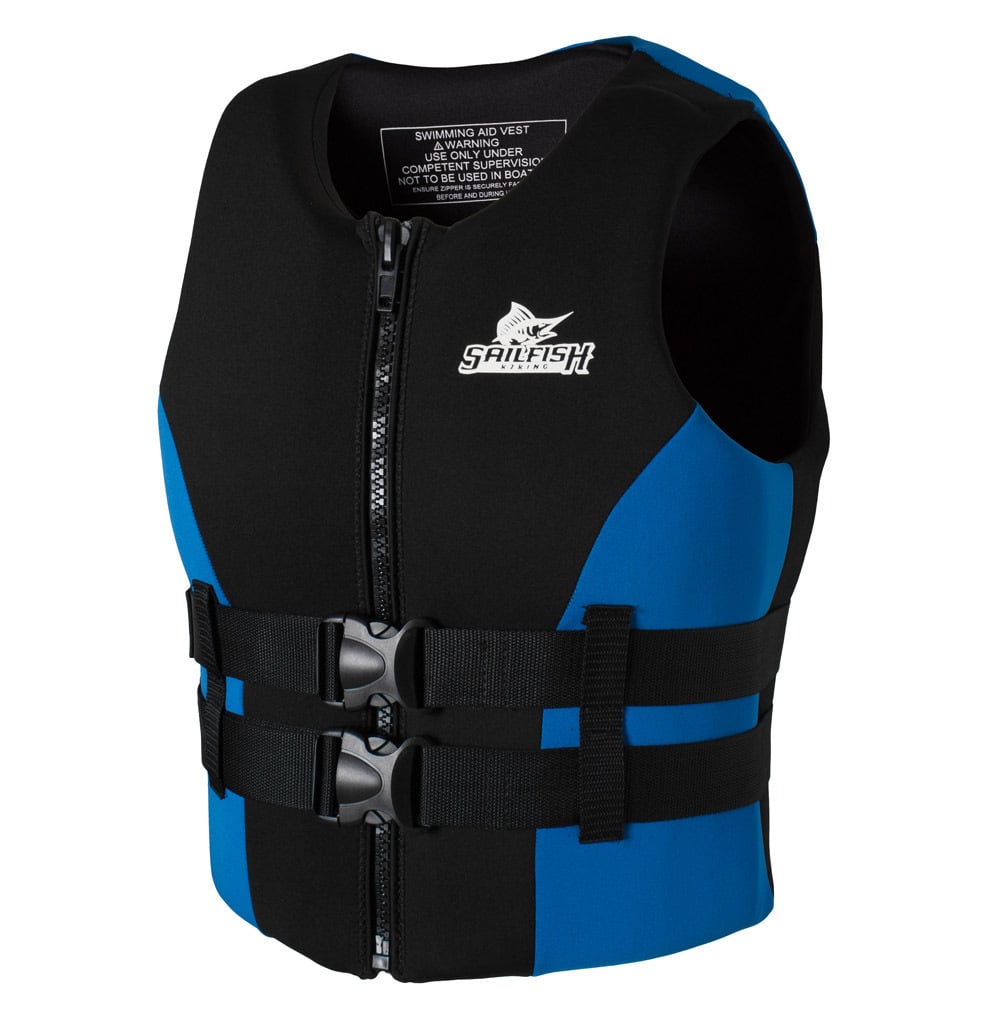
ပရောဖက်ရှင်နယ်အဆင့် PFD များအတွက် တစ်ခုတည်းသောအရွယ်အစားဖြင့် အားလုံးအတွက် ကောင်းမှန်းသည်ဟု မော်ဒယ်မရှိပါ။ ဤကိရိယာများသည် ယေဘုယျလိုအပ်ချက်များကို အောင်မြင်စွာဖော်ထုတ်ရုံသာမက သီးခြားအခြေအနေများနှင့် ကိုက်ညီမှုရှိရန် လိုအပ်ပါသည်။ ISO 12402 စံသတ်မှတ်ချက်ကို ဥပမာအဖြစ် ကြည့်ပါ။ ဤလိုက်နာမှုစံသတ်မှတ်ချက်သည် လူများအနေဖြင့် မှုန်မှုန်မှုန်သော ပေါ်ပေါ်လွင်လွင်ရှိသော ရေပေါ်တွင် မျက်နှာပေါ်မှ မျောနေနိုင်ရန် နှစ်ပေါ်လေးချိန် ၁၅၀ နျူတန် (Newton) အထက် ရေမျောအားကို အာမခံပေးပါသည်။ ထို့နောက် USCG Type I စံသတ်မှတ်ချက်များကို ကြည့်ပါ။ ဤစံသတ်မှတ်ချက်များသည် နှစ်ပေါ်လေးချိန် ၂၂ ပေါင် (သို့မဟုတ် ၉၈ နျူတန်) အထက် ရေမျောအားနှင့် စိုက်ထောင်မှုတည်ငြိမ်မှုအား ၉၀ မိနစ်ကျော်အထိ ပေးစေရန် လိုအပ်ပါသည်။ အထို့ကြောင့် အကူအညီရရှိရန် နောက်ကောင်းစွာ နောက်ကောင်းစွာ စောင်းနေသည့် ရှည်လျားသော ကုန်းရိုးတန်းဒေသများတွင် ကယ်ဆယ်ရေးလုပ်ငန်းများတွင် ဤအချိန်အပိုသည် အလွန်အရေးကြီးပါသည်။ အတွင်းရေနံနှင့် ကုန်းရိုးတန်းဒေသများတွင် အမြန်နှုန်းဖြင့် လုပ်ကိုင်သော ကယ်ဆယ်ရေးအဖွဲ့များအတွက် EN ISO 12402-5 သည် အခြားသော အရေးကြီးသော အချက်များကို ဖော်ပြပါသည်။ ဤစံသတ်မှတ်ချက်သည် လှုပ်ရှားမှုကို မကောင်းစွာ ကန့်သတ်မှုမရှိသော ပေါ့ပါ့ပါးပါးသော ဒီဇိုင်းများကို အလေးပေးပြီး အရေးကြီးသော ၁၅၀N ရေမျောအားကို ဆက်လက်ပေးစေရန် လိုအပ်ပါသည်။ ဤအရာကို မှားယွင်းစွာ ရွေးချယ်မှုသည် အလွန်အရေးကြီးသော နောက်ဆက်တွဲများကို ဖော်ပေးပါသည်။ ၂၀၂၃ ခုနှစ်မှ အပြည်ပြည်ဆိုင်ရာ ရေလုံခြုံရေးဂျာနယ် (International Water Safety Journal) အရ လူများသည် အောက်ပါအတိုင်း လက်ခံထားသော လိုက်နာမှုစံသတ်မှတ်ချက်များနှင့် ကိုက်ညီသည်ဟု ဆိုထားသော ပိုမိုမှုန်မှုန်သော အခြေအနေများတွင် အသုံးပြုရန် မသင့်တော်သော ပစ္စည်းများကို ဝတ်ဆင်ထားသည့်အတွက် ရေမျောသော အဖြစ်အပျက်များ၏ ၂၂% ခန့်သည် ဖြစ်ပေါ်လာခဲ့ပါသည်။
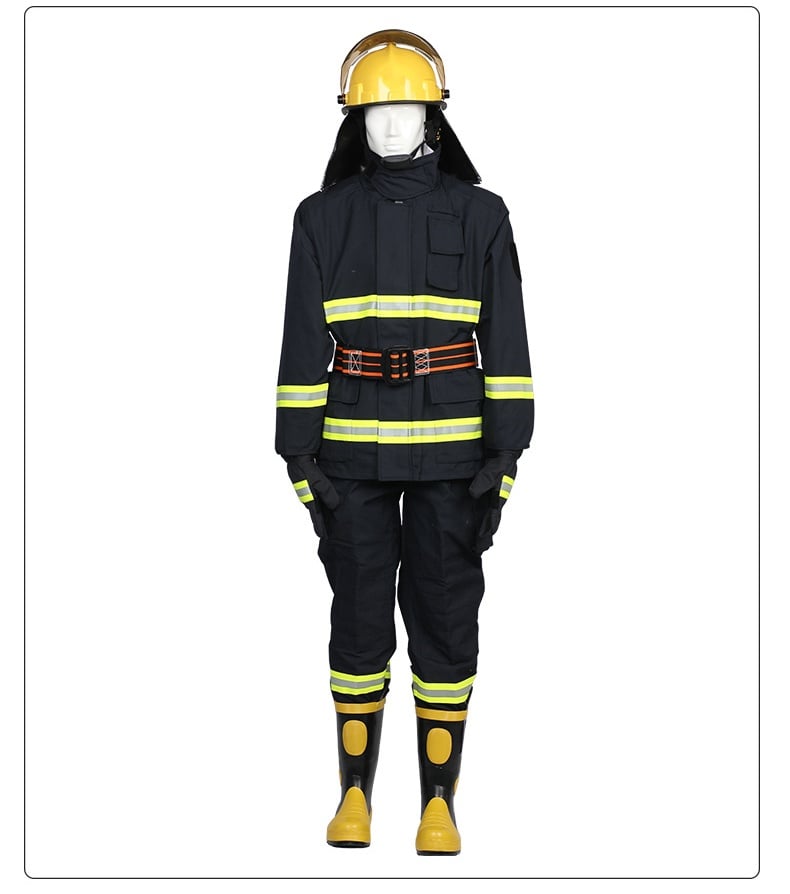
၂၀၂၃ ခုနှစ်ထုတ် NFPA 1983 စံနှုန်းသည် ဖိအားအောက်တွင် အားလုံးအတွက် အရေးကြီးသည့် အချိန်များတွင် အလုပ်လုပ်နေရန် လိုအပ်သည့် နည်းပညာအရ ကယ်ဆယ်ရေးပစ္စည်းများ၏ အရည်အသွေးကောင်းမှုကို သတ်မှတ်ပေးပါသည်။ ဤလမ်းညွှန်ချက်များအရ ကယ်ဆယ်ရေးကြိုးများသည် အနည်းဆုံး ၅,၀၀၀ ပေါင်အထိ ဆွဲခွန်အားကို ခံနိုင်ရမည်ဖြစ်ပြီး ပစ်ပေးသည့်အိတ်များတွင် ပင်လေးရေထဲသို့ စွန်းထွက်ပေးခြင်း၊ ဓာတုပစ္စည်းများထဲသို့ စွန်းထွက်ပေးခြင်း သို့မဟုတ် မတော်တဆဖြစ်မှုနေရာများတွင် တွေ့ရသည့် အမျိုးမျိုးသော ညစ်ပတ်မှုများကို ခံနိုင်ရမည့် သံမာန်မှုန်းမှုမရှိသည့် ပစ္စည်းများ ပါဝင်ရမည်ဖြစ်ပါသည်။ နည်းပညာအရ စစ်ဆေးမှုများမှ အမှန်တကယ်ဖြစ်ပေါ်လာသည့် ဒေတာများကို ကြည့်လျှင် အလွန်စိုးရိမ်ဖွယ်ရာဖြစ်သည့် အချက်တစ်ခုကို တွေ့ရပါသည်။ ဤလိုအပ်ချက်များကို မလိုက်နာသည့် ပစ္စည်းများသည် အင်အားကုန်စွန်းသည့် ကယ်ဆယ်ရေးလုပ်ဆောင်မှုများအတွင်း အားလုံးအတွက် ၄၀ ရှုံးနေမှုနှုန်းဖြင့် ပိုမိုမှုန်းနေသည်ကို တွေ့ရပါသည်။ အနက်အများဆုံးဖြစ်သည့် အချက်များထဲတွင် အရေးပေါ်တုံ့ပြန်မှုအဖွဲ့များသည် NFPA 1983 စံနှုန်းများကို တင်းကြပ်စွာ လိုက်နာပါက ပစ္စည်းများကြောင့် ဖြစ်ပေါ်လာသည့် သေဆုံးမှုများသည် စျေးသက်သာသည့် အားကစားအသုံးပြုမှုအဆင့် ပစ္စည်းများကို အသုံးပြုသည့် အဖွဲ့များနှင့် နှိုင်းယှဉ်ပါက ၃၁ ရှုံးနေမှုနှုန်းဖြင့် လျော့ကျသည်ကို တွေ့ရပါသည်။
“လက်မှတ်ဖြင့် ဖုံးကောင်းခြင်း” ဆိုသည်မှာ ရောငေးသူများသည် အမှုအစီအစဥ်အလိုက် အတည်ပြုထားသော စမ်းသပ်မှုများအစား ယေဘုယျဖြစ်ပြီး ခွဲခြားစိတ်ဖေါ်၍ မရသော လက်မှတ်များကို ပေးပေးသည့် အခြေအနေကို ဆိုလေသည်။ အတည်ပြုထားသော ကုန်ပစ္စည်းများတွင် အောက်ပါတို့ ပါဝင်ပါသည်။
အမှုအစဥ်အလိုက် ဝယ်ယူမှုအမှုအစဥ်နှင့် ဆက်စပ်သည့် စာရွက်စာတမ်းများကို အမြဲတမ်း တောင်းဆိုပါ။ ကုတ်နံပါတ် (catalog number) သို့မဟုတ် မော်ဒယ်နှစ် (model year) နှင့် ဆက်စပ်သည့် စာရွက်စာတမ်းများကို မောင်းထုတ်ပါ။ ခွဲခြားစိတ်ဖေါ်၍ မရသော လက်မှတ်များသည် အကောင်အထည်ဖော်မှုမှုန်းများ ဖြစ်ပွားသည့်အခါတွင် တာဝန်ခံမှု အန္တရာယ်ကို ခုနစ်ဆ တိုးစေပါသည်။ ပယ်ဖျက်ခံရသည့် သို့မဟုတ် အမှားအမှင်ဖော်ပေးသည့် လက်မှတ်များသည် ဖြစ်ပွားမှုတစ်ခုလျှင် အလျှင်း $740,000 အထိ ထုတ်ပေးသည့် ပေးချေမှုအဖြစ် ပုံမှန်အားဖြင့် ဖော်ပေးသည် (Ponemon Institute, 2023)။
ထိရောက်သောရေလုံခြုံရေးလုပ်ဆောင်မှုများအတွက် ပစ္စည်းကိန်းနှင့် မစ်ရှင်အရေးပါသော အချက်များ (ပတ်ဝန်းကျင်ဆိုင်ရာ အန္တရာယ်များ၊ အဖွဲ့ဝင်များ၏ ခန္တာကိုယ်အခြေအနေနှင့် တုံ့ပြန်မှုအမြန်နှုန်း) အကောင်းဆုံးကိုက်ညီမှုရှိရန် လိုအပ်ပါသည်။ ယေဘုယျသော သို့မဟုတ် မှားယွင်းစွာအသုံးပြုသော ပစ္စည်းများသည် အချိန်နှင့်တစ်ပါတည်း ကယ်ဆယ်ရေးလုပ်ဆောင်မှုများအတွင်း ပေါင်းစပ်မှုမှုန်း ၂၇% အထိ တိုးမြင်းစေပါသည် (ရေကူးရေလုံခြုံရေးအကဲဖြတ်ခြင်း၊ ၂၀၂၃)။
ပတ်ဝန်းကျင်ဆိုင်ရာ အလွန်အမင်းဖြစ်မှုများသည် အထောက်အကူဖြစ်သော ပစ္စည်းများကို ရည်ရွယ်ချက်အလိုက် အသုံးပြုရန် လိုအပ်ပါသည်။ ယေဘုယျအသုံးပြုသော ပစ္စည်းများကို အသုံးပြုခြင်းသည် မသင့်လျော်ပါသည်။
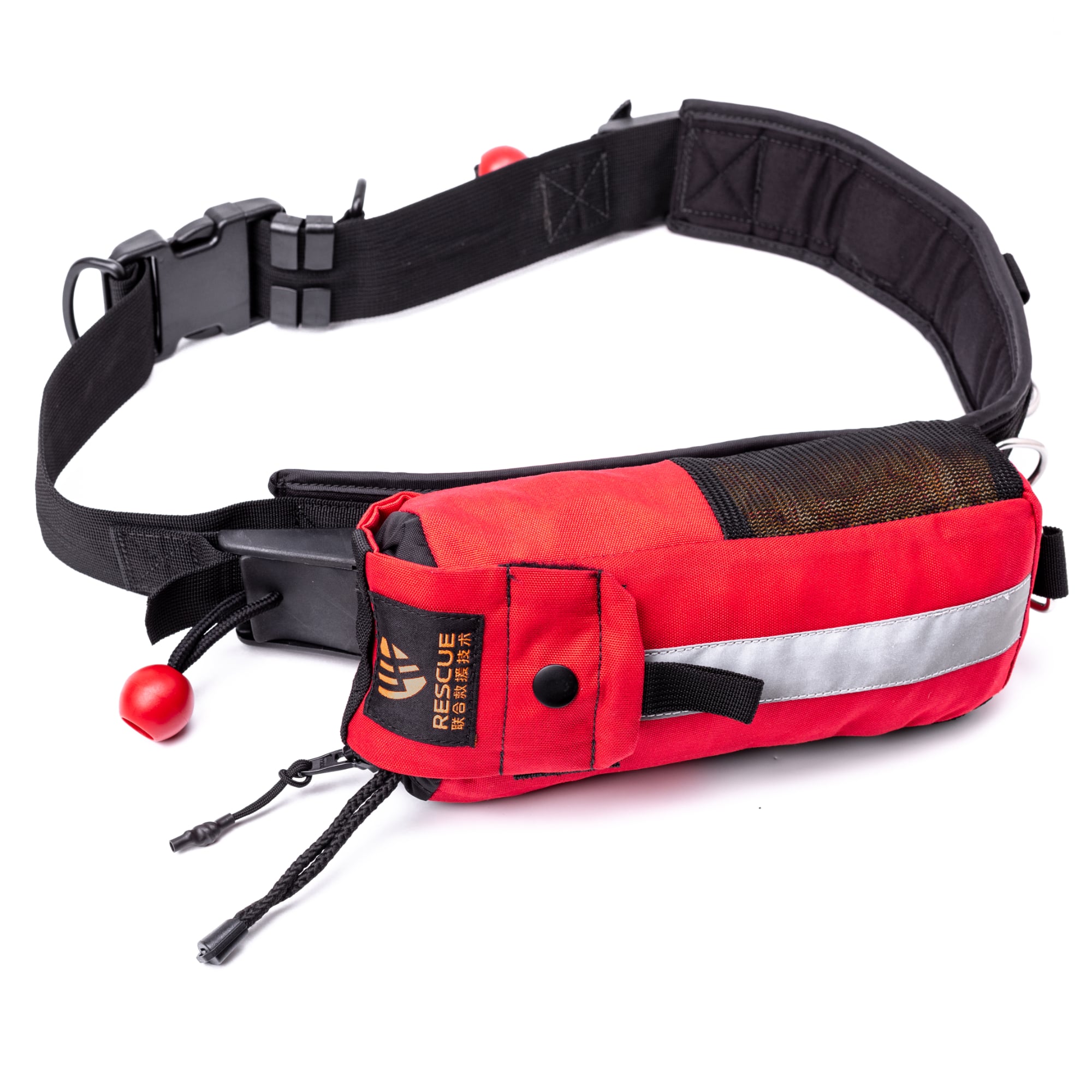
| ပတ်ဝန်းကျင် | PFD အသေးစိတ်အချက်အလက်များ | ပစ်ပေးသောအိတ်အတွက် လိုအပ်ချက်များ | ကယ်ဆယ်ရေးစလက်၏ အရေးပါသော အင်္ဂါရပ်များ |
|---|---|---|---|
| မြန်စီးသောရေ | ¥၂၂.၅ ပေါင် ပေါင်းမှုန်း၊ မြန်မြန်ခြောက်သော အဝတ်အစား၊ မြင်းခုန်မှုန်းအတွက် အများကြီးမြင့်မှုန်း | ရေပေါ်ပေါင်းနေသော ကြိုး (ပေ ၇၀ အထက်)၊ မြန်မြန်ဖွင့်နေသော အိတ် (ရှုပ်ထွေးမှုမရှိသော ဒီဇိုင်း) | လှုပ်ရှားမှုအလွန်ကောင်းမှု၊ ကိုင်ဆုပ်ရန် လက်ကိုင်များ အများအပြား၊ လှုပ်ရှားမှုအနည်းဆုံး အများကြီးမြင့်မှု |
| ရေခဲ | အပူကာကွယ်မှုပါသော ရေမျောနေသည့် ပစ္စည်း၊ ကိုယ်ထည်အုံးနှင့် လည်ပင်းကို အပြည့်အဝ ဖုံးအုပ်ပေးသည့် အပူချိန်ထိန်းသိမ်းရေး အလွှာ | အိတ်တွင် ရေခဲခုံးများ ပါဝင်ပြီး ရေခဲများကြောင့် မာကြောသော ပေါလီပရိုပီလီန် ကြိုးများ | အများအားဖြင့် အနိမ့်ပါသော ဆလက်၊ ကိုယ်တိုင် အရေးပေါ်အချိန်တွင် ရပ်တန့်နိုင်သည့် ခြေသည်းများနှင့် နေရာတက်ရေးအတွက် ကောင်းမွန်သည့် ရန်နာများ |
| ရေလှိုင်း | UV နှင့် ပွန်းပဲမှုကို ခံနိုင်ရည်ရှိသည့် အပေါ်ယံအကာ၊ နောက်ဘက်မှ ရေစီးထွက်ရေး လေပေါက်များ၊ အားကောင်းသည့် ချုပ်လုပ်မှုများ | သိပ်သည်းသည့် ရေမဝင်သည့် အိတ်၊ ပင်လေးရေတွင် သေးငယ်သည့် အက်စစ်ဓာတ်ကြောင့် ပျက်စီးမှုကို ခံနိုင်ရည်ရှိသည့် ပစ္စည်းများ | ဘုတ်၏ အရှေ့ဖက်ကာကွယ်မှုအစိတ်အပိုင်း၊ လီရှ် တပ်ဆင်ရေး နေရာများ၊ ထိခိုက်မှုကို စုပ်ယူပေးသည့် ဘုတ်အစိတ်အပိုင်းများ |
ပတ်ဝန်းကျင်နှင့် ကိုက်ညီသည့် ရွေးချယ်မှုများသည် အတည်ပြုထားသည့် ကယ်ဆယ်ရေး စမ်းသပ်မှုများတွင် ပုံမှန်အားဖြင့် တုံ့ပြန်မှုအချိန်ကို ၃၀% အထိ လျော့ချပေးသည် (Coastal Safety Journal, 2024)။
ပြီးခဲ့သည့်နှစ်က အကူအညီပေးရေးလုပ်ငန်းများအတွက် လူသားအချက်များနှင့် ပတ်သက်သည့် လေ့လာမှုအရ ရေပေါ်တွင် ကြာရှည်စွာ လုပ်ဆောင်ရသည့် အရေးကြီးသည့် ပြဿနာများ၏ သုံးပုံနှစ်ပုံခန့်သည် လူသားအချက်များကြောင့်ဖြစ်သည်။ ဤပြဿနာများအများစုသည် ကိုယ်နေရာနှင့် မကျော်လွန်သည့် သို့မဟုတ် နေ့စဉ် နောက်ထပ်နေ့ရက်များအထိ ဝတ်ဆင်ရသည့်အခါ မသက်မသော ခံစားချက်ကိုဖော်ပေးသည့် ပစ္စည်းများကြောင့် ဖြစ်ပါသည်။ ထို့ကြောင့် မော်ဂျူလာ PFD များသည် အထူးသဖြင့် ထိရောက်မှုရှိပါသည်။ ၎င်းတို့သည် ကယ်ဆယ်ရေးအဖွဲ့ဝင်များအနေဖြင့် ဆက်သွယ်ရေးကိရိယာများ၊ အလင်းရေးကိရိယာများနှင့် ဆေးဘက်ဆိုင်ရာပစ္စည်းများကဲ့သို့သည့် လိုအပ်သည့် ပစ္စည်းများအားလုံးကို တပ်ဆင်နိုင်စေပါသည်။ ထို့အပေါ်တွင် ရောင်းရှင်များ၏ ရေမျောနိုင်မှုနှင့် လုံခြုံရေးအဆင့်များကို ထိန်းသိမ်းပေးနိုင်ပါသည်။ ပုံမှန်အားဖြင့် ခုနှစ်စဥ် ခုနှစ်လတိုင်း ပုံစံကို စစ်ဆေးခြင်းသည်လည်း အထူးအကျေးနုပ်ပေးပါသည်။ အဖွဲ့များသည် သူတို့၏ ပစ္စည်းများ မည်မျှကောင်းစွာ အလုပ်လုပ်နေကြောင်းကို လုပ်ငန်းဆောင်တာများကို အများအားဖြင့် လုပ်ငန်းတွင် သယ်ဆောင်ရမည့် ပုံမှန်အလေးချိန်များဖြင့် အမှန်တကယ် လှုပ်ရှားမှုများဖြင့် စမ်းသပ်ကြောင်း လုပ်ဆောင်ပါက လုပ်ငန်းအတော်အများ အလုပ်လုပ်နေစဉ် အချိန်အခါများတွင် ပြုပြင်မှုများကို နှစ်ပေါင်းများစွာ လျော့နည်းစေပါသည်။ အချို့သော ဒီဇိုင်းအစိတ်အပိုင်းများသည် လုပ်ငန်းများအတွင်း ပင်ပန်းမှုများနှင့် စိတ်ပိုင်းဆိုင်ရာ အာရုဏ်များကို တိုက်ဖျက်ရာတွင် အထူးထိရောက်မှုရှိကြောင်း ပြသခဲ့ပါသည်။ သို့သော် အသေးစိတ်အချက်များသည် ကယ်ဆယ်ရေးလုပ်ငန်းများ၏ အခြေအနေပေါ်တွင် မှုချင်းကွဲပါသည်။
MOQ လိုအပ်ချက်များကို ဝယ်ယူရေးအဖွဲ့များသည် လက်ခံထားသည့် စံနှုန်းများအဖြစ်မဟုတ်ဘဲ သတိပေးချက်များအဖြစ် သတ်မှတ်သင့်ပါသည်။ ကုမ္ပဏီများသည် အလွန်အမင်းများပြားသော အနည်းဆုံးအမှာစာပမှန်းကို သဘောတူလျှင် သိမ်းဆည်းရေးစရိတ်များ ပိုမိုမြင့်တက်လာပြီး စက်ရုံများတွင် အသုံးမဝင်တော့သည့် ပစ္စည်းများ စုပုံလာပါသည်။ ထို့အပြင် အသစ်ထွက်လာသည့် မော်ဒယ်များ ဈေးကွက်သို့ ရောက်ရှိလာသည့်အခါ အဟောင်းများကို အလုပ်မှုမှုအဖြစ် ကျော်လွန်ရန် ခက်ခဲလာပါသည်။ ပေးပို့ရေးလိုင်း၏ ပေးပို့မှုအကြောင်း အသိအမှုအြောင်းမှုကိုလည်း လျော့နည်းစေခြင်းမရှိပါ။ ၂၀၂၃ ခုနှစ် ကမ္ဘာ့ပေးပို့ရေးလိုင်း စံနှုန်းမှုအစီရင်ခံစာအရ အတည်ပြုမထားသည့် ကယ်ဆယ်ရေးပစ္စည်းများ၏ အမှာစာလိုင်းများတွင် အများအားဖြင့် ၅ ပုံ ၁ ပုံခန့်သည် အမှာစာမှုမှုများ သို့မဟုတ် မှုန်းမှုမှုများဖြစ်သည့် ရေလုံခြုံရေးပစ္စည်းများ ပါဝင်ခဲ့ပါသည်။ ထုတ်လုပ်သူအများအားဖြင့် မည်သည့်အရာကိုမှ အသိပေးခြင်းမရှိဘဲ အစိတ်အပိုင်းများကို အစားထိုးလေ့ရှိပါသည်။ ဥပမောပမာအားဖြင့် ပင်လေးရေးအတန်းမှ ဇစ်ပါများကို ပုံမှန်နိုင်လွန် ဖက်ဘရစ်ဖြင့် အစားထိုးခြင်း သို့မဟုတ် ပိတ်ထားသည့်ဆဲလ် ရေပေါ်မှုဖေါမ်ကို စျေးသက်သာသည့် အစားထိုးပစ္စည်းများဖြင့် အစားထိုးခြင်းများ ဖြစ်ပါသည်။ ဤသို့သည့် အပြောင်းအလဲများသည် နောက်ကွယ်တွင် ဖြစ်ပေါ်လာသော်လည်း ထုတ်ကုန်များ၏ အတည်ပြုခြင်းများကို လုံးဝပျက်စီးစေပါသည်။ ဤပြဿနာများကို တိုက်ဖျက်ရန်အတွက် အဖွဲ့အစည်းများသည် ကာကွယ်ရေးစနစ်များ အများအပြားကို အသုံးပြုရန် လိုအပ်ပါသည်။ အဖွဲ့အစည်းများသည် အမှာစာပေးထားသည့် အတိအကျအတိုင်း သုံးသပ်မှုအစီရင်ခံစာများကို တောင်းဆိုသင့်ပါသည်။ ပစ္စည်းအများအပြားကို အသေးစိတ်မှတ်တမ်းများဖြင့် ခြေရာခံထားရန် လိုအပ်ပါသည်။ ထုတ်လုပ်ရေးစက်ရုံများသို့ မျှော်လင့်မထားသည့် အလိုအလျောက်လာရောက်စေခြင်းများကို ပြုလုပ်ရန် လိုအပ်ပါသည်။ ထိုသို့သည့် အလိုအလျောက်လာရောက်စေခြင်းများတွင် သုံးစွဲသည့် အစိတ်အပိုင်းများ၏ မူလအရင်းအမြစ်များနှင့် အပြီးသတ်ထုတ်ကုန်များကို မည်သည့်နည်းဖြင့် စုစည်းထုတ်လုပ်ထားသည်ကို စစ်ဆေးရန် လိုအပ်ပါသည်။
ယနေ့ခေတ်တွင် ဝယ်ယူရေးလုပ်ငန်းများသည် အရုံရုံသာ ပစ္စည်းများကို ဝယ်ယူခြင်းသာမက လုပ်ဆောင်မှုများ အဆင်ပြေစေရန် အရေးပါသော အခန်းကဏ္ဍမှ ပါဝင်ပါသည်။ အခုအခါတွင် မှုန်းမှုစီမံခန့်ခွဲမှုကို လက်မှုန်းစီမံခန့်ခွဲမှု၊ လက်မှုန်းအတည်ပြုမှုများ သေးသေးဖွဲ့ဖွဲ့ စစ်ဆေးခြင်း၊ ပစ္စည်းများ၏ အသုံးပြုမှုအခြေအနေများ စောင်းထိန်းခြင်းနှင့် ပစ္စည်းများ သက်တမ်းကုန်သည့်အချိန်ကို စောင်းထိန်းခြင်းတို့နှင့် ချိတ်ဆက်ပေးသည့် မှုန်းအခြေပြုစနစ်များ (Cloud-based systems) များ ရှိပါသည်။ ဥပမါ- အရေးပေါ်အလင်းများ (emergency flares)၊ လေဟုန်းများအတွက် ကာဗွန်ဒိုင်အောက်ဆိုဒ် (CO₂) ကားထရစ်ဂ်များ၊ လူသိများသည့် ရေပေါ်လေထုဖြင့် ဖောင်းထောင်သည့် အသက်ကာကွယ်ရေးအင်္ကျီများ (inflatable life jacket bladders) စသည်တို့ကို စဉ်းစားကြည့်ပါ။ လုပ်ငန်းအဖွဲ့များသည် စာရွက်စာတမ်းများ (paper logs) သို့မဟုတ် စပရက်ရှစ်များ (spreadsheets) ကို အသုံးပြုနေပါက ဒစ်ဂျစ်တယ်ကိရိယာများကို အသုံးပြုသည့် အဖွဲ့များထက် စစ်ဆေးမှုများကို ၃၂% ပိုများစွာ လွဲခွင်းတတ်ကြပါသည်။ ဤသည်မှာ ပြောင်းလဲမှုအသစ်များကို လွဲခွင်းမှုများကြောင့် လုံခြုံရေးအန္တရာယ်များကို ဖော်ပေးသည့် အကြောင်းရင်းဖြစ်ပါသည်။ ဘယ်သူမျှ သက်တမ်းကုန်သည့် ပစ္စည်းများကို အသုံးပြုလိုခြင်းမရှိပါ။ ကောင်းမွန်သည့်သတင်းအချက်အလက်စနစ်များသည် ပစ္စည်းများ လုံးဝကုန်သည့်အချိန်မှီ ပြန်လည်ဖြည့်စွက်ရန် ကြိုတင်ခန့်မှန်းနိုင်ပါသည်။ ဤစနစ်များသည် ISO 12402-5 နှင့် NFPA 1983 ကဲ့သို့သည့် အရေးကြီးသည့် လုံခြုံရေးစံနှုန်းများနှင့် ကိုက်ညီမှုရှိမှုကိုလည်း အလိုအလျောက်စစ်ဆေးပေးပါသည်။ ထို့ကြောင့် အသက်ကာကွယ်ရေးအင်္ကျီများသည် လုံခြုံရေးစံနှုန်းများနှင့် ကိုက်ညီမှုရှိမှုကို စမ်းသပ်စစ်ဆေးပြီး အမှန်တကယ် လေ့ကျင်မှုအခြေအနေများတွင် အသုံးပြုရန် အတည်ပြုခံရမှသာ စက်ရုံမှ ထွက်သည်။
ကျွန်ုပ်တို့သည် အမြဲအချိန်ယူ၍ ဖန်တီးမှုဖြင့် စက်မှုလုပ်ငန်းကို စိတ်လှုပ်ရှားစေရန် ရည်မှန်းပြီး စားသုံးသူများအား အသုံးပြုမှုတန်ဖိုးမြင့်မားစွာ ပေးစွမ်းပါသည်။ Havospark သည် ထုတ်ကုန်ဖွံ့ဖြိုးရေးအတွက် ပထမဦးစားပေးမှုအဖြစ် ဆန်းသစ်တီထွင်မှုကို အမြဲမှတ်ယူပါသည်။
501, Building 1, Boying Building, No.18 Qingshuihe Third Road, Qingshuihe Community, Qingshuihe Sub-District,Luohu District, Shenzhen
Copyright © Shenzhen Hoverstar Innovations Technology Co. , Ltd. All Rights Reserved. ကိုယ်ရေးကိုယ်တာမူဝါဒ
 EN
EN
 အရေးကြီးသော သတင်းများ