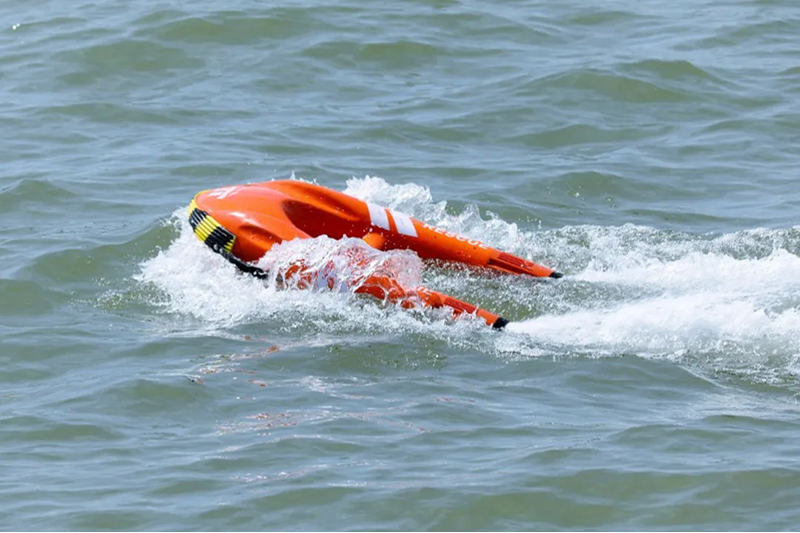
האופן שבו סופות ציוריות מתנהגות קובע באמת את סוג המחסומים שעלינו לבנות. במהלך הוריקנים, גלים עזים יכולים להעלות את רמות המים לפתע במעל עשר רגל, והגלים הקבועים האלה פוגעים בבניינים בכוח של כ-5,000 פאונד לרגל מרובעת, מה שדורש בהחלט חומרי בנייה חזקים יותר. ומעבר לכך, גם פני הים עולים. מדענים מנבאים שהאוקיינוסים יגבוהו בערך ב-0.9 מטר עד שנת 2100, כלומר כארבעה מיליון אנשים החיים לאורך חופי ארצות הברית עלולים להתמודד עם הצפות תכופות. כל האלמנטים הללו יחד יוצרים שלושה תחומים עיקריים של דאגה לקהילות החופיות בעת תכנון ההגנות שלהן נגד הכעס המתגבר של הטבע.
| גורם הצפה | השפעה על צורכי המחסומים | דרישת הפחתת הסיכון |
|---|---|---|
| עומק | פגיעות לשטיפת מי ים | מבחני גובה מינימליים |
| מהירות | לחץ הידרוסטטי | החזקה מבנית |
| חוזק התרחשות | חשיפה תדירה | עמידות לתחזוקה |
בחירת מחסומים מתאימים נגד שטפונות מתחילה בהבנת תווית האיזורים של FEMA: אזור AE ואיזור V. איזורים אלו נחשבים למסוכנים במיוחד, ובמיוחד לאורך החופים, שם המים זורמים במהירות. בתכנית הביטוח הלאומי נגד שטפונות (NFIP) קיימות הוראות קשיחות לבנייה באיזורים אלו. כמעט تسعة מיליון אנשים ברחבי המדינה חיים באזורים שסומנו כמאגר סיכון גבוה, על פי נתוני NFIP העדכניים ביותר משנת 2023. בעת בדיקת הסיכון לשטפונות ברכוש, יש לבדוק הן את מפות FEMA והן את הרשומות המקומיות. ברכוש שבו קיים סיכון של לפחות 10% לשטפון בכל שנה יש להתקין מחסומים קבועים. מדדי גאות מספרים סיפורים על שטפונות חוף שאינם תמיד ברורים לעין. הם חושפים תבניות כגון גאות מלכותיות (king tides), שיכולות לפגוע בקהילות ללא התראה. מידע זה עוזר לקבוע מתי להתקין את המחסומים וכמה גבוהים הם צריכים להיות כדי לספק הגנה מרבית נגד גלים לא צפויים.
תכונות שמתמודדות עם פעילות גלים מתמדת דורשות הגנה חזקה יותר מאשר הגנות רגילות. מחסומים קבועים כגון חומות ים מוגברות ומחסומי סגירה מאלומיניום לים מיוחדים עומדים בבחינה לאורך זמן. הם נושאים את כל הלחץ של המים מהתחתית ומגינים גם מפני נזק ממים מלוחים. לפי כמה מחקרים של הסוכנות להגנת הסביבה (EPA) בדוחה משנת 2022 על כלכלה של בקרת שיטפונות, מבנים מסוג זה יכולים לשרוד למעלה משלושים שנה לפני שהצורך בהחלפתם יעלה. מה שמבדיל אותם מפתרונות זמניים הוא הדרישה הנמוכה מאוד לתחזוקה לאורך העונות. מרבית הבעלים מוצאים כי בדיקה ארבע פעמים בשנה היא מספיק כדי להבטיח הגנה ללא הפסקה מפני גלי סערה גדולים שעוברים מדי פעם. המתקנים הללו נבנים או מבטון או מאלומיניום, ולא נפגעים בקלות אפילו כשנשארים בחוץ לאורך עשורים לאורך החופים. לכן, קהילות רבות באזורים שבסיכון ממשי לשיטפונות בוחרות באפשרויות אלו במקום לנסות,evaku'at את כל התושבים בכל פעם שמטאורולוגיה גרועה פוגעת.
שערים המופעלים באופן עצמאי יחד עם מערכות הבד המוגברות פולימרים אלו פועלים מצוין כאשר מהירות ההתקנה היא החשובה ביותר ושטח האחסון מוגבל. החדשות הטובות הן שמחסומים זמניים אלו ניתן להתקין תוך שמונה שעות בלבד, ולחסוך כ-92 אחוז בעלויות בהשוואה להתקנות קבועות מסורתיות, על פי מסד הנתונים הלאומי למחסומים נגד סופות מאוחרת השנה שעברה. בדיקות של עיצובים היברידיים חדשים יותר מראות שמשילבים מסגרות אלומיניום עם קרומים שניתן להחליף בקלות, מה שפותר את בעיות העמידות הישנות שגרמו לדאגה בעבר. בדיקות שנערכו בסגנון 'העברה קדימה מהירה' מראות שחומר אלו שומר על כ-80 אחוז מהחוזק המקורי שלו גם לאחר שהושהה ללא שימוש במשך חמש שנים שלמות. ערים שמתמודדות עם סיכונים חוזרים של שיטפונות מוצאים זאת חשוב במיוחד, מכיוון שכל אירוע משמעותי חוסך בדרך כלל כ-740,000 דולר בשיקומים נזקים ברחבי בלוק עירוני שלם, על פי מחקר של מכון פונמון משנת 2023. בנוסף, תחזוקה נשארת פשוטה מספיק – דרושה בדיקה אחת בלבד מדי שנה.
| תכונה מחסימת | מבנים קבועים | מערכות חצי-קבועות |
|---|---|---|
| זמן התקנה | 6–24 חודשים | 2–8 שעות |
| עלות למטר ליניארי | $3,800–$7,200 | $180–$420 |
| אורך חיים | 30–50 שנים | 5–15 פריסות |
| תדירות תחזוקה | רבעון | שנתית |
מחסומי שיטפונות חוף דורשים הנדסת מיקום מדויקת בשל חשיפה למים מלוחים, עומסים דינמיים של גלים ואי-יציבות קרקע.
אי-התייחסות לאילוצים אלו עלולה לגרום לקריסת מחסום קטסטרופלית—במיוחד באזורים שבהם גובה הגלים עולה על 3 רגל—מכיוון שהמים המלוחים מאיצים בזריזות את תהליך הקורוזיה, ואדמת הרטוב מאבדת עד 70% מהיכולת שלה לשאת עומסים. מערכות היקפיות חייבות לשלב את השיקולים הללו משלב התכנון הראשוני ועד להתקנה, כדי להבטיח עמידות בפני סיכונים חוף-ימיים מצטברים.
בעת בחירת מחסומים נגד שיטפונות חוף, אנשים צריכים לשקול את ההוצאה הראשונית לעומת התועלת לאורך זמן. קירות ים הם פתרונות כמעט קבועים, אך מגיעים במחיר גבוה יחסית – כ-7,000 דולר למטר או יותר. מבנים אלו יכולים להחזיק מעמד שנים רבות, ודורשים תחזוקה מינימלית. מצד שני, קיימים אופציות חצי-קבועות שמתפרסות במהירות ועולות בין 200 ל-400 דולר למטר (כולל התקנה). החסרון? בדרך כלל יש להחליפן לאחר כ-5 עד 15 שיטפונות גדולים, תלוי בתנאים. עם זאת, לאחרונה התרחשה תופעה מעניינת – מערכות היברידיות חדשות המבוססות על אלומיניום ופולימרים נראות כמתקנות את רוב הבעיות שהיו במערכות הישנות, על פי מחקר שפורסם בכתב העת של האגודה האמריקאית למהנדסי בניין (ASCE) בשנת 2023. המערכות החדשות נמשכות זמן רב יותר ועומדות טוב יותר בפני הקורוזיה הנגרמת על ידי מים מלוחים. גם התאמה לדרישות FEMA NFIP ולתקנים ASCE 24-24 אינה רשות – אלא חובה. אם מישהו לא ימלא דרישות אלו כראוי, ביטוחו עלול שלא לכסות נזקים, והוא עלול לפגוע בעיצומים בשווי מאות אלפי דולרים, כפי שנאמר במחקרים של מכון פונמון בשנה שעברה. לכל מי שבונה או משפר מחסומים, יש לחפש חומרים שנבדקו במעבדות עצמאיות והראו עמידות טובה ללחץ מים ולנזק מאולטרה סגול. מסמכים מסוג זה עוזרים לאשר האם המחסום אכן יעמוד במבחן של עליית פני הים, אשר מתגברת מדי שנה.
יש לקחת בחשבון את העלות, התאמה לתקנים של FEMA ו-ASCE, עמידות ארוכת טווח פוטנציאלית, אילוצים ספציפיים לאתר, ואת אופי הסיכונים החופיים הצפויים, כגון גלים קיצוניים והגבהה של פני הים.
מפות אלו מזהות אזורים בעלי סיכון גבוה לשטפונות. נכסים באזורים אלו, אשר עומדים בסיכון שנתי לשטפונות של לפחות 10%, דורשים לעיתים קרובות מחסומים קבועים למניעת שטפונות כדי לעמוד בדרישות תוכנית הביטוח הלאומי נגד שטפונות.
מחסומים קבועים, כגון חומות ים, הם עמידים לאורך זמן אך יקרים, ודורשים תחזוקה מינימלית. אפשרויות חצי-קבועות ניתנות להצבה מהירה במחיר נמוך יותר, אך דורשות החלפה תכופה יותר לאחר שטפונות גדולים.
היבטים של העיצוב חייבים להתמודד עם שלמות היסודות, קיבולת התמיכה של האדמה ות Resistancיה לקלקול. התעלמות מהיבטים אלו עלולה להוביל לאי-תפקוד של המחסום, במיוחד בתנאי גלים קיצוניים.
מערכות אלו מציעות פריסה מהירה וחסכון בעלויות, והן מתאימות לאזורים שבהם המהירות והשטח הם קריטיים. הן שומרות על חוזק משמעותי גם לאחר שנים רבות, מה שהופך אותן ליישום אפקטיבי במצבים חוזרים של שטפונות.
 חדשות חמות
2024-02-20
2024-02-20
2024-02-20
אנו שואפים להלהיב את התעשייה עם יצירתיות בכל עת תוך סיפוק צרכיהם של לקוחותינו עם ערך שימוש גבוה. Havospark תמיד רואה במונופע את העיקרון הראשון בפיתוח מוצרים.
501, Building 1, Boying Building, No.18 Qingshuihe Third Road, Qingshuihe Community, Qingshuihe Sub-District,Luohu District, Shenzhen
Copyright © Shenzhen Hoverstar Innovations Technology Co. , Ltd. All Rights Reserved. מדיניות הפרטיות
 EN
EN