EN
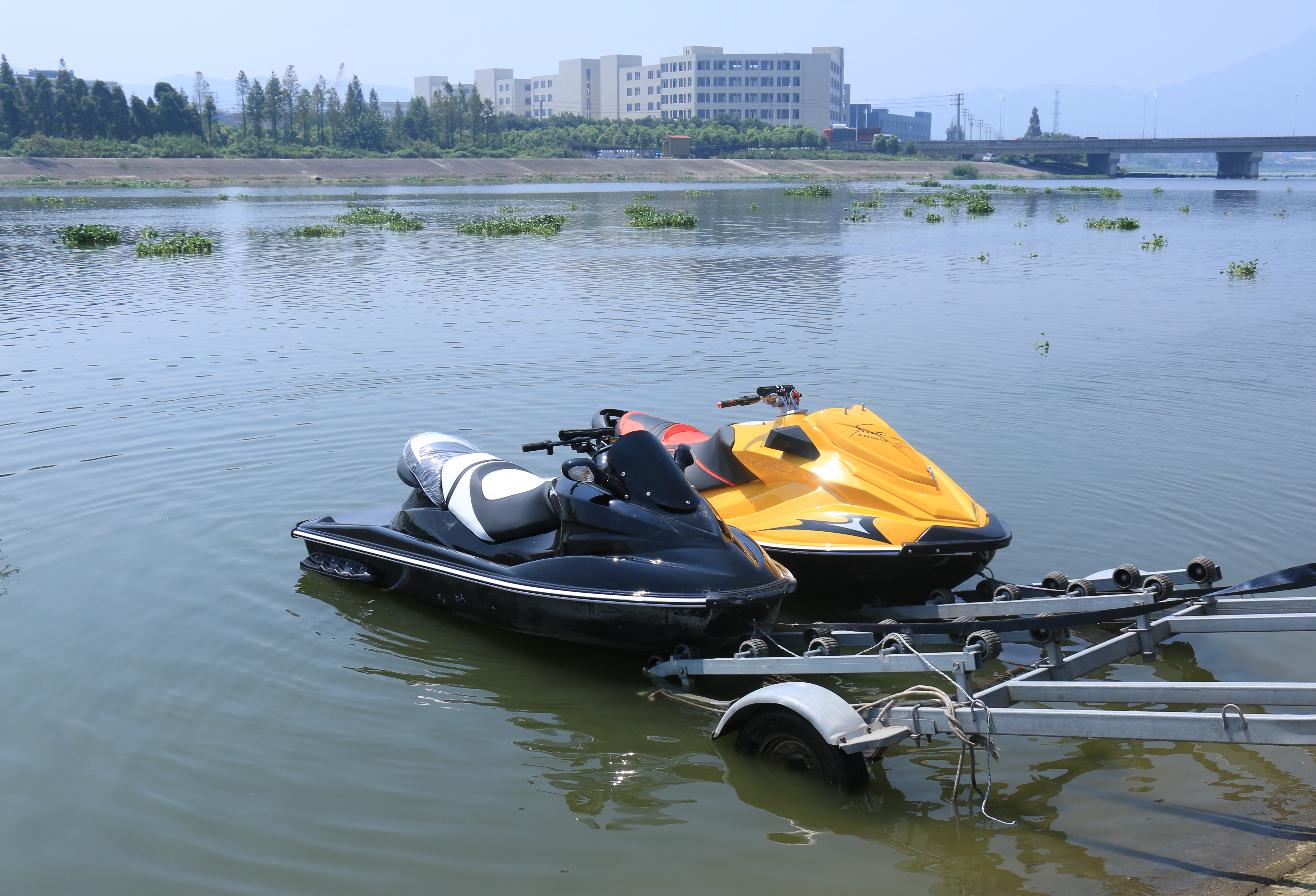
Why Electric Jetskis Are Reshaping Visitor Expectations
The shift from combustion to quiet, zero-emission watercraft in high-traffic visitor zones
Traditional combustion-powered personal watercraft generate noise peaks above 80 decibels—disrupting wildlife and eroding the sense of calm in crowded coastal areas. Electric jetskis reverse this dynamic: they operate with near-silent propulsion and produce zero exhaust emissions, enabling tours closer to shorelines, mangroves, and reef edges without environmental degradation. A 2023 industry report found electric watercraft sales rose 40% year over year, and two-thirds of travelers now prefer excursions that minimize ecological impact. Quiet operation consistently ranks as a top differentiator in guest surveys—often outweighing price or duration when choosing a provider. For destination managers, this is no longer niche demand: zero-emission watercraft are increasingly viewed as foundational to a premium, eco-conscious itinerary—not an optional add-on. The sensory shift is profound. Without two-stroke fumes or engine roar, onboard conversation becomes effortless, air quality improves, and the overall experience feels more immersive. That calmer atmosphere correlates with longer dwell time, more photo stops, and higher satisfaction scores—especially in locations historically burdened by noise complaints.
Biomimetic design and user experience: How electric jetski ergonomics enhance accessibility and dwell time
Electric jetski ergonomics draw from biomimetic principles—including low centers of gravity, curved saddle contours, and natural grip geometry—to reduce physical effort during mounting, steering, and dismounting. These features broaden accessibility across age groups and for visitors with limited upper-body strength. The absence of engine vibration further lowers fatigue, directly supporting longer ride durations and repeat bookings. A lower step-over height and adjustable handlebars let operators accommodate mixed groups without retraining staff. Predictable, low-speed handling—enabled by smooth torque delivery rather than abrupt throttle response—also builds rider confidence in shared-water environments near docks, swimmers, and non-motorized craft. As a result, first-time riders master basic maneuvers faster, allowing operators to shorten safety briefings and increase hourly throughput—without sacrificing guest ratings. This combination of intuitive control and physical comfort makes electric jetskis less intimidating than legacy models, encouraging participation from families, older adults, and corporate groups who might otherwise avoid motorized water sports.
Electric Jetski Integration: Performance, Safety, and Shared-Water Compatibility
Electric jetski platforms are moving from novelty to operational necessity in coastal recreation. The integration challenge is to preserve the responsive, shared-water feel visitors expect—while reducing conflict with wildlife and non-motorized users. The following subsections examine performance gains and the regulatory context shaping access.
Silent torque, instant acceleration, and low wake—why electric jetskis excel in ecologically sensitive areas
Electric propulsion fundamentally reshapes operational performance. Motors deliver full torque from standstill, enabling precise throttle control and shorter stopping distances—critical in narrow channels and near swim zones. The near-silent approach allows unobtrusive observation of shorebirds, fish, and marine mammals, avoiding flight responses triggered by combustion noise. Reduced wake energy also limits bank erosion and turbidity in shallow, sensitive habitats. With no exhaust discharge, operators can safely navigate enclosed bays and marine protected buffer zones—areas where fuel sheen and hydrocarbon accumulation have historically restricted access. Maintenance intervals drop significantly due to fewer moving parts and no oil changes, supporting consistent fleet availability and faster rental turnover. The result is safer, more predictable, and ecologically compatible visitor experiences.
Navigating regulatory pathways: Balancing conservation mandates with public demand for electric jetski access
Regulators increasingly assess personal watercraft access based on measurable environmental impact—not fuel type alone. Electric fleets meet strict sound-level thresholds, no-wake requirements, and zero-emission water quality standards more readily than combustion models. Operators strengthen permit applications by submitting GPS speed logs, battery telemetry, and acoustic monitoring data—giving conservation agencies verifiable evidence that visitor demand is managed responsibly. Public support for quiet recreation remains strong, particularly in communities where residents have opposed gas-powered craft. Electric access can therefore expand riding windows—but success hinges on site-specific rules. Some protected zones still enforce seasonal closures or speed caps. A phased entry model—starting with guided, staff-led tours—is often most effective. It demonstrates low-impact use, builds trust with local stakeholders, and creates a data-backed foundation for broader access approval.
Designing Scalable Electric Jetski Visitor Programs
Scaling from pilot demos to daily rental operations requires infrastructure that keeps visitors moving—without expanding shoreline footprints.
Modular docking, battery-swapping infrastructure, and Bluetooth-enabled fleet management for tourism operators
Modular docking systems allow operators to add or remove berths as seasonal demand shifts—avoiding permanent construction and reducing permitting timelines. Battery-swapping stations—not fixed charging docks—cut downtime: depleted packs are exchanged in minutes while guests wait. Bluetooth-enabled fleet management adds remote diagnostics, geofenced speed limits, and keyless check-in, minimizing staff touchpoints and enabling contactless rentals. With clear spacing, charging-status lights, and automatic kill-switch checks, a small team can safely manage 10–20 craft per dock module. To future-proof investment, operators should prioritize open charging connectors and modular mounting rails—ensuring compatibility with next-generation models without replacing entire dock systems. Battery health alerts, ride-mode limits per user, and scheduled swap rotations further extend pack life and smooth turnover during peak hours. Together, these systems support incremental capacity growth—while preserving the quieter, low-wake visitor experience that drives repeat bookings.
Measuring Impact: Dwell Time, Conversion, and Repeat Visit Uplift
Electric jetski programs should be evaluated through three connected metrics: dwell time, conversion rate, and repeat-visit uplift. Dwell time measures the average minutes a visitor spends in the experience zone—from check-in and safety briefing through water time and post-ride photo opportunities. Longer dwell time only adds value when aligned with clear revenue or satisfaction outcomes. Attraction benchmarks from 2023 treat dwell time and conversion as leading indicators, while repeat-visit uplift serves as a lagging indicator of program health. To measure dwell time, operators can use timed entry/exit scans, Bluetooth-enabled wristbands, or staff observation logs—helping distinguish between engaged lingering and avoidable waiting due to unclear queue flow.
Conversion rate tracks the share of visitors who move from observing the watercraft area to completing a rental, demo, or guided tour booking. A low conversion rate often signals friction in pricing, safety messaging, or accessibility. Operators improve measurement by linking foot traffic counts to booking-system records—and segmenting results by time of day, group size, and first-time versus returning visitors.
Repeat-visit uplift compares return rates among participants against a control group of visitors who did not join the experience. Returning guests typically have lower acquisition costs and higher lifetime value—making this metric essential for long-term viability. A simple pre/post or cohort analysis reveals whether the experience generates enough emotional resonance to bring people back.
The table below summarizes a practical measurement framework for coastal and water-based tourism operators.
| Metric | What it tracks | Data source | Business signal |
|---|---|---|---|
| Dwell time | Average minutes in the watercraft zone | Timed entries and exits, Bluetooth beacons, staff logs | Longer engaged dwell can lift food, beverage, and rental accessory revenue |
| Conversion rate | Share of visitors who complete a booking or rental | Booking system, POS, foot traffic counters | Low conversion points to pricing, safety, or access friction |
| Repeat-visit uplift | Change in return rate among participants | CRM, ticketing identity matching, post-visit surveys | Higher repeat visits reduce acquisition cost and build seasonal resilience |
FAQ
1. Why are electric jetskis considered more environmentally friendly than traditional models?
Electric jetskis operate with near-silent propulsion, produce zero exhaust emissions, and reduce bank erosion and turbidity, making them ideal for ecologically sensitive areas.
2. How do electric jetskis enhance the visitor experience?
They offer quieter, smoother rides, improving air quality, enabling easier conversations, and creating a more immersive and relaxing experience for riders.
3. What makes electric jetskis accessible to a wider audience?
Features like low centers of gravity, natural grip geometry, and absence of engine vibration make them easier to use for all age groups, including those with limited strength.
4. How do electric jetskis comply with regulatory requirements?
Electric fleets meet strict sound, wake, and zero-emission standards, aiding in permit approvals and reducing ecological impact.
5. What infrastructure supports scalable electric jetski operations?
Modular docking, battery-swapping stations, and Bluetooth-enabled fleet management are critical to handling seasonal demand and maintaining efficiency.