The Rise of Sustainable Marine Exploration with Electric Watercraft
Marine exploration has long been a gateway to uncovering the planet’s aquatic mysteries, yet traditional fuel-powered watercraft have left a lasting carbon footprint on fragile marine ecosystems. Today, the shift toward sustainable marine exploration is not just a trend but a necessity, and electric watercraft stands at the core of this transformation. As climate change reshapes coastal and oceanic landscapes, integrating renewable energy into electric watercraft has become the defining solution to balance human curiosity with environmental stewardship.
For enterprises like Havospark, a national hi-tech enterprise specializing in water rescue and water sports equipment since 2016, this shift is both a mission and an opportunity. Havospark’s pioneering application of drone techniques to watercraft design—from remote-controlled rescue buoys to high-performance electric surfboards—exemplifies how electric watercraft can be reimagined for sustainability, without compromising on power or functionality. Renewable energy integration turns these vessels from mere tools into catalysts for eco-conscious marine exploration, enabling longer, cleaner journeys across lakes, rivers, and oceans.
Renewable Energy Technologies Powering Modern Electric Watercraft
Advanced Battery Systems: The Backbone of Electric Propulsion
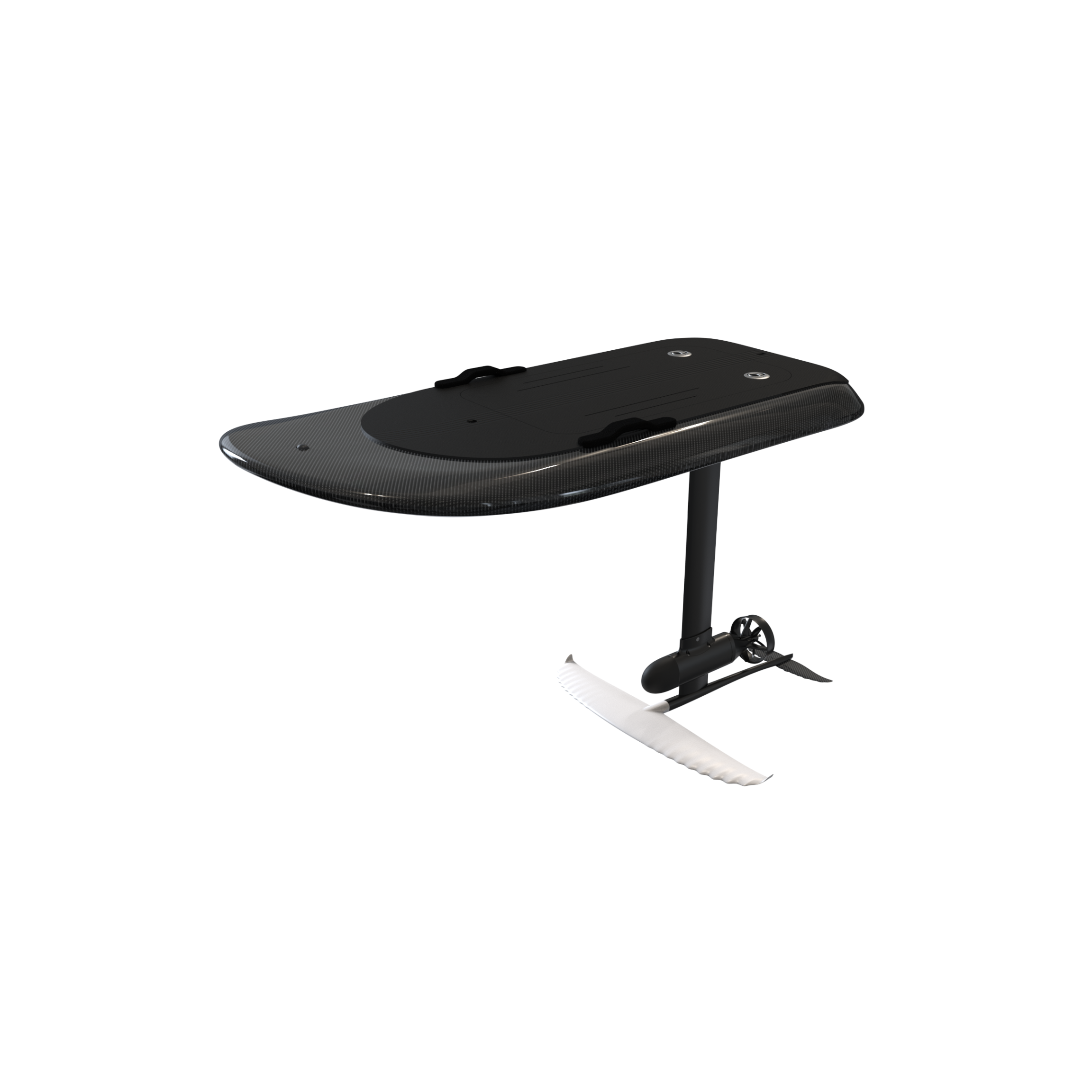
Lithium-based battery technology is the cornerstone of renewable energy-powered electric watercraft, and innovations in this field are driving unprecedented efficiency. Havospark’s electric surfboards, for instance, leverage ternary polymer lithium batteries with an impressive 1200 charge cycles, paired with a 51Ah 72V lithium battery system that delivers consistent power for marine sports and exploration. These batteries store energy harnessed from renewable sources like solar and wind, creating a closed-loop, zero-emission power cycle. Unlike disposable fuel sources, they offer long-term sustainability and cost efficiency, critical for extended marine exploration missions.
Solar and Wind Hybrid Integration
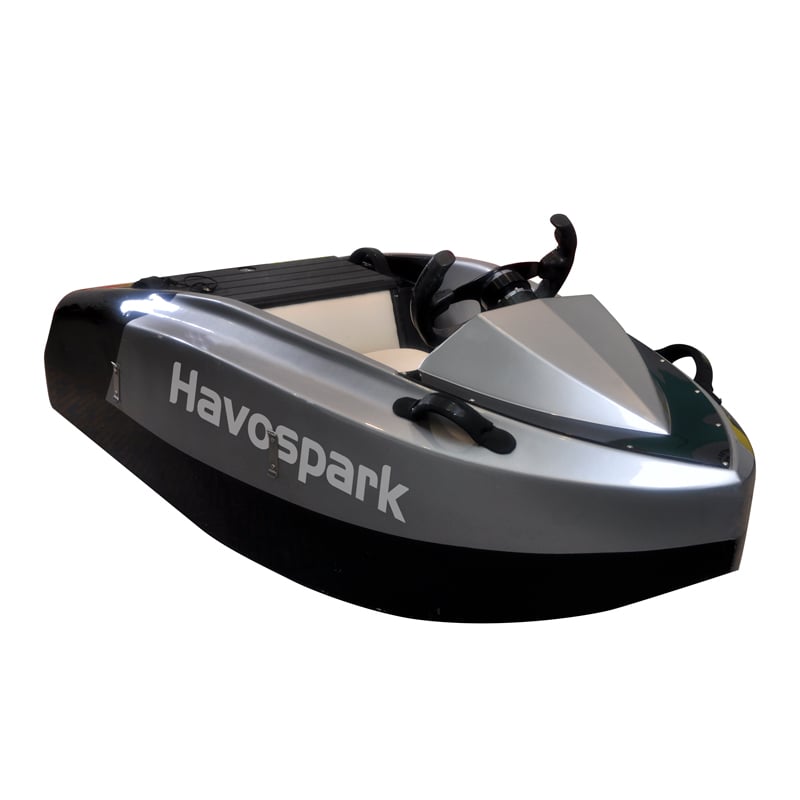
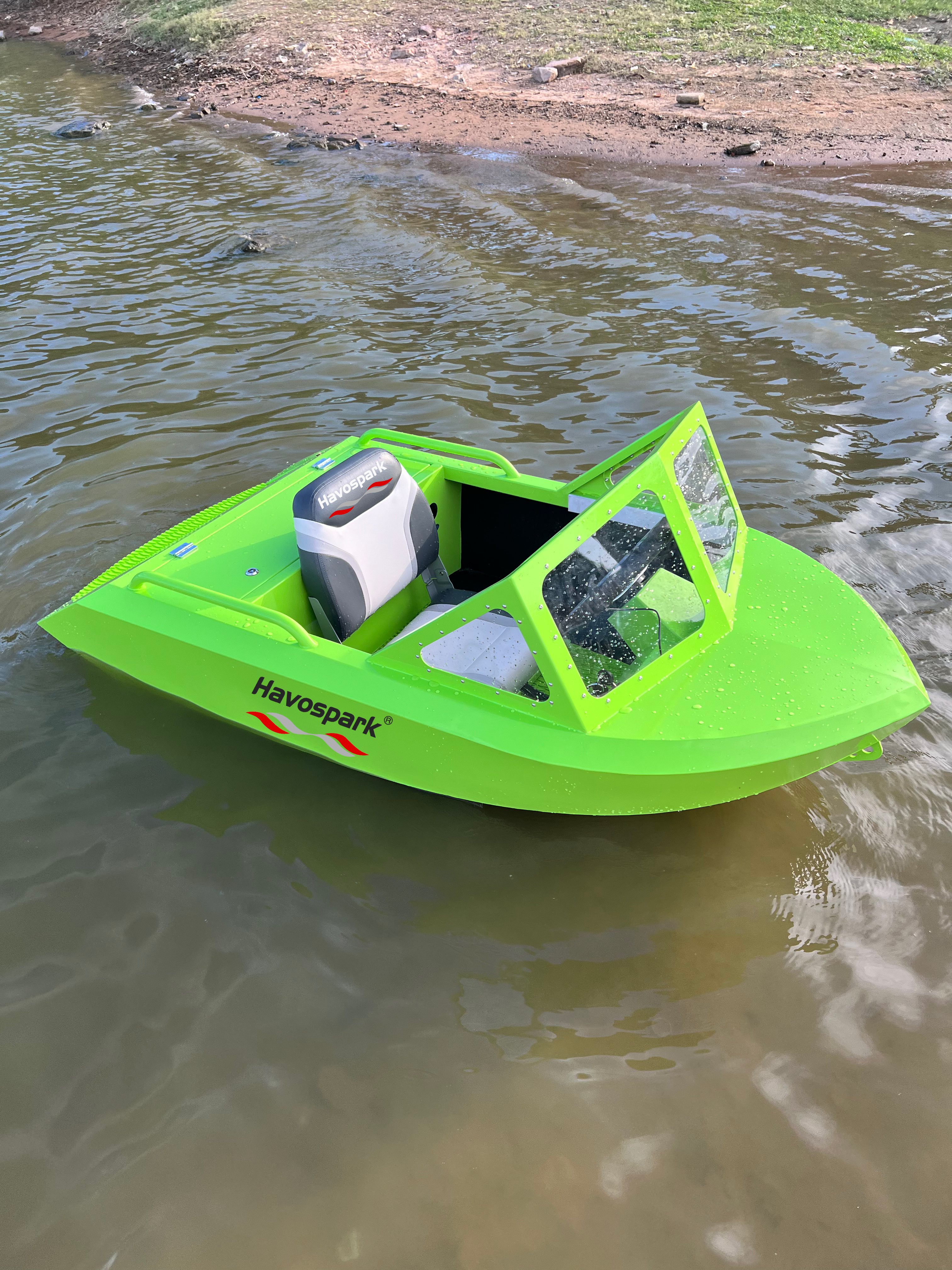
Solar and wind energy are the most accessible renewable resources for marine applications, and their integration into electric watercraft is redefining off-grid exploration. Flexible solar panels can be fitted to the hulls of electric jet boats, rescue vessels, and surfboards, capturing sunlight to top up batteries during daytime use. Small, compact wind turbines, designed to withstand marine conditions, add an extra layer of energy generation for open-water journeys. For water rescue and light exploration craft—such as Havospark’s electric mini jet boat, one of the world’s smallest jet boats—this hybrid system extends range and reduces reliance on shore-based charging, making sustainable marine exploration feasible in remote areas.
Hydrogen Fuel Cells: The Next Frontier
While battery technology dominates today’s electric watercraft market, hydrogen fuel cells are emerging as a game-changing renewable energy solution for larger vessels. These cells convert green hydrogen—produced via solar or wind-powered electrolysis—into electricity, emitting only water vapor as a byproduct. For marine exploration craft requiring greater power and range, hydrogen fuel cells offer a lightweight, high-efficiency alternative to traditional batteries, aligning with the global push for zero-carbon marine transportation.
How Renewable Energy Integration Elevates Electric Watercraft Performance
Unmatched Efficiency and Zero Emissions
The primary advantage of integrating renewable energy into electric watercraft is the elimination of greenhouse gas emissions and harmful fuel runoff. Traditional gasoline-powered watercraft release carbon dioxide, nitrogen oxides, and unburned fuel into marine environments, degrading water quality and harming aquatic life. Renewable energy-powered electric watercraft, by contrast, operate with zero tailpipe emissions, preserving fragile ecosystems like coral reefs, estuaries, and freshwater rivers—key areas for marine exploration. Havospark’s electric surfboards, which reach a top speed of 70KM/hour with a 90-100kg load, prove that sustainability does not mean sacrificing performance; their 20KW utility patent jet pump system, powered by renewable-charged batteries, delivers industry-leading power with zero environmental harm.
Enhanced Durability and Low Maintenance
Renewable energy systems for electric watercraft are designed to withstand the harsh marine environment, from saltwater corrosion to extreme weather. Havospark’s focus on product quality—including strict production process control—ensures that renewable energy-integrated components like battery packs and solar panels are built to last. Unlike fuel-powered engines, which require frequent oil changes and part replacements, electric propulsion systems with renewable energy integration have fewer moving parts, reducing maintenance costs and downtime for marine exploration teams. This durability is especially vital for rescue and research craft operating in remote or challenging water conditions.
Extended Range and Operational Flexibility
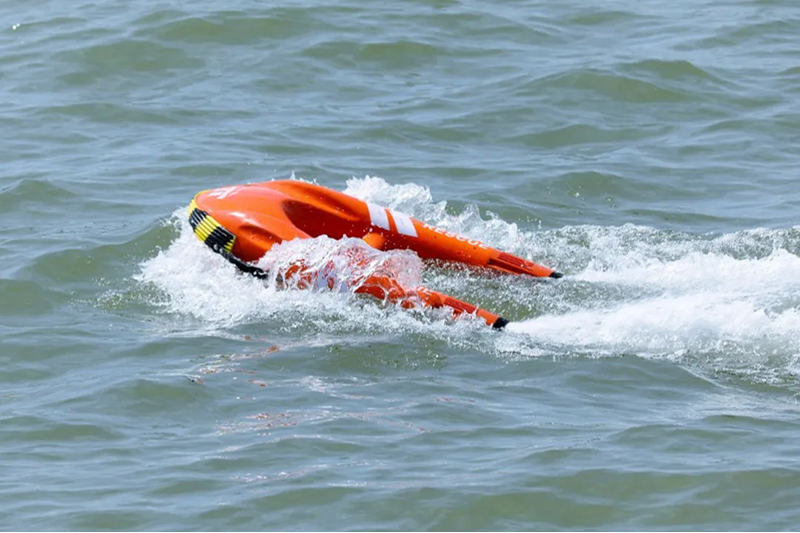
One of the biggest challenges for early electric watercraft was limited range, but renewable energy integration solves this problem by creating on-board energy generation. Solar panels and wind turbines provide a continuous trickle charge to batteries, extending the operational range of electric watercraft far beyond what standalone batteries can achieve. For example, Havospark’s remote-controlled H3 water rescue buoy—equipped with GPS real-time positioning and auto course correction—can operate for longer durations in open water when paired with solar charging, making it an indispensable tool for sustainable marine rescue and exploration missions. This extended range also allows researchers to explore larger areas of the ocean without the need for frequent refueling or charging stops.
Sustainable Marine Exploration in Action: Real-World Applications
Water Rescue and Environmental Conservation
Renewable energy-powered electric watercraft are transforming water rescue operations, a core focus for Havospark. The company’s H3 remote-controlled lifebuoy, used in real-world rescue missions like the Yangtze River save in Wuhan, relies on renewable-charged batteries for reliable, emissions-free operation. In environmental conservation, electric watercraft powered by solar and wind energy are used for marine life monitoring, plastic pollution cleanup, and coral reef research—tasks that require quiet, non-disruptive vessels to avoid disturbing wildlife. Unlike loud fuel-powered boats, electric watercraft operate silently, allowing researchers to observe marine life in its natural state, a key benefit for sustainable marine exploration.
Recreational and Commercial Marine Sports
Sustainable marine exploration is not limited to research and rescue; it also extends to recreational and commercial water sports. Havospark’s electric surfboards, mini jet boats, and water bikes are designed for eco-conscious enthusiasts, offering high-adrenaline experiences without harming the environment. These vessels are powered by renewable energy-charged batteries, and their zero-emission operation makes them ideal for use in protected marine areas, such as national parks and coastal reserves. For commercial operators, renewable energy integration reduces operational costs by eliminating fuel expenses, making sustainable water sports a viable and profitable business model.
Scientific Research and Ocean Exploration
For scientific marine exploration, renewable energy-powered electric watercraft are becoming essential tools. Their low environmental impact, extended range, and quiet operation make them perfect for conducting research in sensitive oceanic areas, from Arctic ice fields to tropical rainforest rivers. Universities and research institutions are increasingly adopting electric boats and surfboards for data collection, underwater mapping, and marine life tracking, leveraging renewable energy to ensure their work aligns with sustainable practices. Havospark’s collaboration with organizations like the Limerick River Patrol Group—providing new lifesaving equipment powered by clean energy—exemplifies how electric watercraft is bridging the gap between technology and sustainable marine research.
The Future of Renewable Energy and Electric Watercraft for Marine Exploration
The future of sustainable marine exploration is inextricably linked to the evolution of renewable energy integration in electric watercraft. As technology advances, we will see even more innovative solutions: thinner, more efficient solar panels that cover the entire hull of watercraft, AI-powered energy management systems that optimize solar and wind generation, and fully hydrogen-powered exploration vessels that can travel thousands of miles without refueling. Enterprises like Havospark, with their strong R&D team and commitment to innovation, are at the forefront of this evolution, continuously refining electric watercraft design to maximize renewable energy efficiency.
Havospark’s global reach—with products distributed in more than 30 countries—also means that sustainable marine exploration practices are being adopted worldwide, from the Yangtze River to European waterways like the Limerick River. The company’s one-stop service, including pre-sale, in-sale, and after-sale support, ensures that customers can easily adopt renewable energy-powered electric watercraft, further accelerating the shift away from fossil fuels. As more countries and organizations prioritize sustainability, renewable energy integration will become a standard feature of all electric watercraft, making sustainable marine exploration the norm rather than the exception.
In conclusion, integrating renewable energy into electric watercraft is more than a technological upgrade—it is a paradigm shift for marine exploration. It allows us to explore the planet’s aquatic wonders while protecting them for future generations, balancing human curiosity with environmental responsibility. With pioneers like Havospark leading the way, the era of sustainable marine exploration is here, and it is powered by clean, renewable energy. Every electric surfboard, jet boat, and rescue buoy that harnesses the power of the sun, wind, and water brings us one step closer to a world where marine exploration and environmental stewardship go hand in hand.

 EN
EN




 Hot News