ສ່ວນປະກອບຫຼັກຂອງອຸປະກອນຊ່ວຍເຫຼືອໃນນ້ຳທີ່ຈະຕ້ອງໃຊ້ຢ່າງເປັນທາງການປະກອບດ້ວຍສາມຊິ້ນທີ່ສຳຄັນ: ອຸປະກອນຊ່ວຍເຫຼືອໃຫ້ລອຍນ້ຳສ່ວນບຸກຄົນ, ຖົງຖີ້ມ (throw bags), ແລະ ເສື້ອໄຟເສັ້ນທີ່ມີຄວາມຫນັກເບົາເປັນພິເສດ. ອຸປະກອນຊ່ວຍເຫຼືອໃຫ້ລອຍນ້ຳສ່ວນບຸກຄົນ (PFDs) ສະໄໝໃໝ່ບໍ່ໄດ້ເປັນພຽງແຕ່ເຮັດໃຫ້ຜູ້ໃຊ້ລອຍໄດ້ເທົ່ານັ້ນອີກຕໍ່ໄປ. ມັນມາພ້ອມດ້ວຍລະບົບຮັດເຂັ້ມທີ່ສາມາດປ່ອຍໄດ້ຢ່າງໄວວ່າ ແລະ ຈຸດເຊື່ອມທີ່ແຂງແຮງເພື່ອໃຊ້ເຊື່ອມຕໍ່ເຂົ້າກັບເສື້ອໄຟເສັ້ນ, ເຊິ່ງຊ່ວຍຮັກສາທັງຜູ້ຊ່ວຍເຫຼືອ ແລະ ເຫຍື່ອທີ່ຕ້ອງການຄວາມຊ່ວຍເຫຼືອໃຫ້ເຊື່ອມຕໍ່ກັນຢ່າງປອດໄພ ເຖິງແມ່ນວ່ານ້ຳຈະເປັນຄື້ນສູງ ຫຼື ຝື່ນທີ່ເຄື່ອນທີ່ໄວ. ຖົງຖີ້ມ (throw bags) ໃຫ້ຜູ້ຕອບສະໜອງເຫດການສາມາດຖີ້ມເສື້ອໄຟເສັ້ນອອກໄປໄດ້ຢ່າງໄວວ່າຈາກຝັ່ງ. ຜູ້ຊ່ຽວຊານສ່ວນຫຼາຍຈະເລືອກໃຊ້ຖົງຖີ້ມທີ່ຍາວ 50 ຫຼື 75 ແຟັດ ເນື່ອງຈາກມັນໃຫ້ໄດ້ທັງໄລຍະທີ່ເໝາະສົມ ແລະ ຍັງຄວບຄຸມໄດ້ງ່າຍເພື່ອດຶງຄົນອື່ນກັບຄືນມາໂດຍບໍ່ຕ້ອງກັງວົນວ່າຈະຖືກດຶງເຂົ້າໄປໃນກະແສນ້ຳທີ່ອັນຕະລາຍ. ຄວາມແຕກຕ່າງທີ່ແທ້ຈິງເກີດຂຶ້ນກັບເສື້ອໄຟເສັ້ນທີ່ມີຄວາມຫນັກເບົາເພື່ອການຊ່ວຍເຫຼືອ ເຊິ່ງຈະລອຍນ້ຳໄດ້ທັນທີຫຼັງຈາກເປີດນ້ຳ ເຊິ່ງເສື້ອໄຟເສັ້ນທົ່ວໄປບໍ່ສາມາດເຮັດໄດ້. ສິ່ງນີ້ມີຄວາມສຳຄັນຫຼາຍເນື່ອງຈາກເສື້ອໄຟເສັ້ນທີ່ລອຍນ້ຳຈະບໍ່ພັນກັບສິ່ງກີດຂວາງທີ່ຢູ່ເບື້ອງລຸ່ມນ້ຳ. ເພື່ອແກ້ໄຂບັນຫາການເຫັນທີ່ບໍ່ດີ, ຊຸດອຸປະກອນສ່ວນຫຼາຍຈະໃຊ້ສີທີ່ສົດໃສ່ ເຊັ່ນ: ສີອົງຈານສາກົນ (international orange) ຫຼື ສີເຫຼືອງທີ່ເຫັນໄດ້ຊັດເຈນ (hi-vis yellow) ເພື່ອໃຫ້ທຸກຄົນສາມາດເຫັນພວກມັນໄດ້ຢ່າງງ່າຍດາຍໃນເວລານ້ຳຖ້ວມ ຫຼື ເວລາທີ່ການເຫັນຫຼຸດລົງຢ່າງຮຸນແຮງ.
ຫຍັງເຮັດໃຫ້ອຸປະກອນມືອາຊີບແຕກຕ່າງຈາກສິ່ງທີ່ຄົນສ່ວນຫຼາຍໃຊ້? ມີສາມຢ່າງທີ່ເດັ່ນຊັດ. ອັນດັບໜຶ່ງ ແມ່ນ ຄວາມເຫັນເດັ່ນ (visibility) ມີຄວາມສຳຄັນຢ່າງຫຼວງຫຼາຍ. ສິ່ງທີ່ພວກເຮົາກຳລັງເວົ້າເຖິງນີ້ມີສີສັນທີ່ສົດໃສ່ປະສົມກັບແຖບສະທ້ອນແສງທີ່ເຮັດວຽກໄດ້ຈິງ. ການທົດສອບບາງຢ່າງໃນເຮືອ ແສດງໃຫ້ເຫັນວ່າຊຸດສີສົດແລະແຖບສະທ້ອນແສງນີ້ສາມາດເຫັນອຸປະກອນໄດ້ຈາກໄລຍະທາງທີ່ໄກຂຶ້ນຫຼາຍໃນເວລາກາງຄືນ ເຖິງປະມານ 40% ຂອງໄລຍະທາງເພີ່ມເຕີມ. ຕໍ່ມາ ແມ່ນຄວາມທົນທານຕໍ່ທຳມະຊາດ. ທຸກໆຊິ້ນສ່ວນໄດ້ຮັບການປົ້າງດ້ວຍເຄືອບພິເສດທີ່ຕ້ານການເສຍຫາຍຈາກແສງຕາເວັນ ແລະ ສ່ວນປະກອບທີ່ຜະລິດຈາກວັດຖຸດັ່ງເຊັ່ນ: ເຫຼັກກົດທີ່ບໍ່ເປື່ອຍ (stainless steel) ທີ່ໃຊ້ໃນເຮືອ ຫຼື ແອລູມີເນີ້ມທີ່ບໍ່ເປື່ອຍງ່າຍ. ວັດຖຸເຫຼົ່ານີ້ໄດ້ຖືກທົດສອບໃນນ້ຳເຄືອງເປືອຍ (salty water) ໃນເວລາຕໍ່ເນື່ອງເຖິງ 500 ຊົ່ວໂມງ ແລະ ຍັງເຮັດວຽກໄດ້ດີຢ່າງຕໍ່ເນື່ອງ. ສຸດທ້າຍ ແມ່ນການຈັດຕັ້ງເພື່ອການນຳໃຊ້ຢ່າງໄວວາ ເຊິ່ງຖືກອອກແບບມາໃນຕົວອຸປະກອນເລີຍ. ສົນໃຈກັບຖົງທີ່ເກັບຖົງຊ່ວຍເຫຼືອ (rescue bags) ເຊິ່ງອຸປະກອນເຫຼົ່ານີ້ຈະຖືກດຶງອອກໄດ້ທັນທີທີ່ຕ້ອງການ, ເຊືອກທີ່ຈັດເກັບຢ່າງເປັນລະເບີຍບ ເພື່ອບໍ່ໃຫ້ພັນກັນ, ແລະ ສ່ວນປະກອບຂອງເສືອງຊ່ວຍເຫຼືອ (life jacket buckles) ທີ່ເຮັດວຽກໄດ້ດ້ວຍມື້ດຽວ. ທັງໝົດນີ້ຮວມກັນຈະຫຼຸດເວລາການນຳໃຊ້ອຸປະກອນລົງເຫຼືອນ້ອຍກວ່າ 15 ວິນາທີ. ອາດຈະບໍ່ເຫັນຄວາມສຳຄັນຂອງເວລາເທົ່ານີ້ ຈົນກ່ວາທ່ານຈະເຂົ້າໃຈວ່າອຸປະກອນທົ່ວໄປຕ້ອງໃຊ້ເວລາເຖິງເຖິງສາມເທົ່າ. ເວລາທີ່ເພີ່ມຂຶ້ນເລັກນ້ອຍນີ້ອາດຈະເປັນເຫດຜົນທີ່ເຮັດໃຫ້ເກີດຄວາມແຕກຕ່າງລະຫວ່າງອັນຕະລາຍ ແລະ ຄວາມປອດໄພໃນເຫດການฉຸກເຮີບທີ່ເກີດຂຶ້ນຈິງ.
ອຸປະກອນຊ່ວຍເຫຼືອໃນນ້ຳທີ່ໃຊ້ໃນວຽກງານມືອາຊີບຕ້ອງຜ່ານມາດຕະຖານສາກົນທີ່ກຳນົດໄວ້ກ່ອນຈະສາມາດນຳໃຊ້ໃນສະຖານະການຈິງ. ມາດຕະຖານ EN ISO 12402 ແມ່ນເປັນມາດຕະຖານທີ່ຖືວ່າເປັນມາດຕະຖານທີ່ດີທີ່ສຸດໃນການວັດແທກຄວາມສາມາດໃນການຫຼຸດລົງ. ສຳລັບນ້ຳທີ່ເງີບໆ ອຸປະກອນຄວນຈະໃຫ້ແຮງຫຼຸດລົງຢ່າງໜ້ອຍ 170 ນີວຕັນ (N) ເຊິ່ງເທົ່າກັບປະມານ 37.5 ປອນ. ແຕ່ເມື່ອເຮັດວຽກໃນນ້ຳທີ່ໄຫຼໄວ ຫຼື ໃນສະພາບການທີ່ອັນຕະລາຍ ຄວາມຕ້ອງການຈະເພີ່ມຂຶ້ນເປັນ 300 ນີວຕັນ ຫຼື ປະມານ 67.5 ປອນ. ສິ່ງນີ້ເຮັດໃຫ້ແນ່ໃຈວ່າ ເຖິງແມ່ນວ່າບຸກຄົນໜຶ່ງຈະເສຍສະຕິໃນເວລາຊ່ວຍເຫຼືອ ສ່ວນຫົວຂອງເຂົາກໍຈະຍັງຢູ່ເທິງນ້ຳເພື່ອໃຫ້ເຂົາສາມາດຫາຍໃຈໄດ້ຢ່າງຖືກຕ້ອງ. ອຸປະກອນຍັງໄດ້ຮັບການທົດສອບຢ່າງເຂັ້ມງວດຈາກອົງການເອກະລາດເຊັ່ນ: UL ຫຼື ອົງການທີ່ຮັບຮອງເຄື່ອງໝາຍ CE. ການທົດສອບເຫຼົ່ານີ້ຈະຈຳລອງສະພາບການຈິງເພື່ອກວດສອບວ່າອຸປະກອນຈະເຮັດວຽກໄດ້ຈິງຫຼືບໍ່ເມື່ອຊີວິດຂອງຄົນເປັນເດີມພັນ.
| ຕົວຊີ້ວັດການທົດສອບ | ຂໍ້ກຳນົດມາດຕະຖານ | ຄວາມໝາຍໃນເຂດການປະຕິບັດ |
|---|---|---|
| ການຮັກສາຄວາມຫຼຸດລົງ | ການສູນເສຍ ±5% ຫຼັງຈາກຈື່ມຢູ່ໃຕ້ນ້ຳເປັນເວລາ 24 ຊົ່ວໂມງ | ປ້ອງກັນການລົ້ມເຫຼວໃນระหว່າງການດຳເນີນງານທີ່ຍາວນານ |
| ຄວາມເຂັ້ມແຂງຂອງ tear | ≥1,500N ຢູ່ບ່ອນທີ່ມີແຜ່ນຮັດ | ຮັບປະກັນຄວາມເຊື່ອຖືໄດ້ຂອງເຂັມຂັດ |
| ການເສື່ອມສະພາບຈາກແສງ UV | ການສູນເສຍຄວາມແຂງແຮງ ±10% ຫຼັງຈາກ 300 ຊົ່ວໂມງ | ຮັກສາອາຍຸການໃຊ້ງານໄດ້ຫຼາຍປີ |
ຜູ້ຜະລິດຕ້ອງຮັບຮອງຄືນທຸກໆ 36 ເດືອນ ໂດຍມີການທົດສອບຕົວຢ່າງແບບສຸ່ມຈາກແຕ່ລະຊຸດເພື່ອຢືນຢັນຄວາມສອດຄ່ອງຢ່າງຕໍ່ເນື່ອງ— ນີ້ເປັນມາດຕະການປ້ອງກັນທີ່ສຳຄັນຕໍ່ການເກີດຄວາມເຫຼື່ອຍລ້າຂອງວັດສະດຸ ຫຼື ຄວາມປ່ຽນແປງໃນຂະບວນການຜະລິດ
ບຸກຄະລາກອນທີ່ເຂົ້າຮ່ວມການຊ່ວຍເຫຼືອອາສາສາມາດເຊື່ອໝັ້ນໃສ່ເສື້ອຊ່ວຍເຫຼືອມືອາຊີບ (PFDs) ທີ່ຈັດຢູ່ໃນປະເພດ V ຕາມມາດຕະຖານ ISO 12402-5. ເສື້ອຊ່ວຍເຫຼືອທີ່ມີຄວາມຊ່ຽວຊານເຫຼົ່ານີ້ມາພ້ອມດ້ວຍລະບົບຮັດແນ່ນທີ່ເປີດໄດ້ຢ່າງໄວວາ ແລະ ຈຸດເຊື່ອມຕໍ່ທີ່ຕິດຕັ້ງຢູ່ໃນຕົວເສື້ອເພື່ອຮັບມືກັບກຳລັງທີ່ປ່ຽນແປງໄດ້. ສິ່ງທີ່ເຮັດໃຫ້ເສື້ອເຫຼົ່ານີ້ແຕກຕ່າງຈາກເສື້ອຊ່ວຍເຫຼືອທົ່ວໄປແມ່ນຫຍັງ? ມັນໃຫ້ການຊ່ວຍເຫຼືອດ້ານຄວາມໜັກເທົ່າກັບຢ່າງໜ້ອຍ 150 ນີວຕັນ ແລະ ເສີມຄວາມແໜ່ນຂອງຈຸດເຊື່ອມຕໍ່ທຸກຈຸດຢ່າງເຂັ້ມແຂງ. ການປະສົມປະສານນີ້ຊ່ວຍໃຫ້ບຸກຄະລາກອນທີ່ເຂົ້າຮ່ວມການຊ່ວຍເຫຼືອສາມາດຮັກສາຄວາມສະຖຽນຂອງຜູ້ຖືກເຄາະຮ້າຍໄດ້ຢ່າງມີປະສິດທິພາບ ໃນເວລາທີ່ພວກເຂົາຍັງຮັກສາຄວາມເຄື່ອນໄຫວຂອງຕົນເອງໄວ້ໃນສະຖານະການການດຶງອອກທີ່ສັບສົນ. ຄຸນສົມບັດການເປີດໄດ້ຢ່າງໄວວານີ້ບໍ່ໄດ້ເປັນພຽງຄຸນສົມບັດທີ່ເພີ່ມເຕີມເທົ່ານັ້ນ ແຕ່ມັນຍັງຊ່ວຍປ້ອງກັນບໍ່ໃຫ້ເກີດການພັນກັນທີ່ອັນຕະລາຍເມື່ອບຸກຄະລາກອນລົງໄປໃຕ້ນ້ຳຢ່າງບໍ່ທັນຕັ້ງຕົວ ຫຼື ຖືກຈັບຢູ່ໃນກະແສນ້ຳທີ່ມີຄວາມເຂັ້ມແຂງ. ອີງຕາມຂໍ້ມູນຈາກສະຫະພັນການຊ່ວຍເຫຼືອສາກົນ (International Lifesaving Federation) ທີ່ເຜີຍແຜ່ເມື່ອປີທີ່ຜ່ານມາ ທີມງານທີ່ໃຊ້ອຸປະກອນການຊ່ວຍເຫຼືອທີ່ມາດຕະຖານຢ່າງຖືກຕ້ອງຈະມີອັດຕາຄວາມສຳເລັດທີ່ດີຂຶ້ນປະມານ 47 ເປີເຊັນໃນເວລາທີ່ມີຄວາມສຳຄັນຢ່າງຍິ່ງ ໂດຍທີ່ທຸກໆວິນາທີມີຄວາມໝາຍຕໍ່ການຕອບສະໜອງຕໍ່ເຫດການສຸດວິກິດ.
ການເລືອກອຸປະກອນຕ້ອງສອດຄ່ອງຢ່າງເປັກຕີກັບອັນຕະລາຍທີ່ເກີດຈາກສະພາບແວດລ້ອມ—ບໍ່ພຽງແຕ່ປະເພດຂອງນ້ຳເທົ່ານັ້ນ, ແຕ່ຍັງປະກອບດ້ວຍການເຄື່ອນໄຫວຂອງນ້ຳ, ມື້ນິນທາ, ແລະ ຂໍ້ຈຳກັດດ້ານການດຳເນີນງານ:
ການໃຊ້ອຸປະກອນນອກສະພາບແວດລ້ອມທີ່ໄດ້ຮັບການຢືນຢັນຈະເພີ່ມຄວາມສ່ຽງຕໍ່ການລົ້ມເຫຼວຂຶ້ນสามເທົ່າ ອີງຕາມລາຍງານຄວາມປອດໄພດ້ານນ້ຳໂລກ (2022) — ເປັນການເຕືອນວ່າບໍລິບົດບໍ່ແມ່ນເລື່ອງຂອງການຕີຄວາມເຂົ້າໃຈ: ມັນເປັນເຫດຜົນທີ່ເຮັດໃຫ້ເກີດເຫດການ.
ເມື່ອຈັດການກັບການຊ່ວຍເຫຼືອໃນນ້ຳເຢັນ, ຄວາມສາມາດຂອງເຄື່ອງນຸ່ງກັນນ້ຳ (dry suit) ໃນການປະຕິບັດໜ້າທີ່ຈະຂຶ້ນກັບສາມປັດໄຈຫຼັກທີ່ເຮັດວຽກຮ່ວມກັນ: ການກັນນ້ຳເຂົ້າ, ການເຮັດໃຫ້ເคลື່ອນໄຫວໄດ້ຢ່າງເປັນອິດສະຫຼະ, ແລະ ການຮັກສາອຸນຫະພູມຮ່າງກາຍໃຫ້ຄົງທີ່. ສ່ວນທີ່ປິດຢູ່ແຕ່ລະຈຸດເຊັ່ນ: ຂໍ້ມື, ຄໍ, ແລະ ຂໍ້ເທົ້າ ຈະຕ້ອງປ້ອງກັນການເຂົ້າໄປຂອງນ້ຳໃນເວລາທີ່ອຸນຫະພູມຕ່ຳກວ່າ 15 ອົງສາເຊີເລິຍດ. ໃນອຸນຫະພູມດັ່ງກ່າວ, ບຸກຄົນໜຶ່ງອາດສູນເສຍສະຕິພາຍໃນ 10 ນາທີເທົ່ານັ້ນຫຼັງຈາກຖືກຈຸ່ມລົງໃນນ້ຳ. ເຄື່ອງນຸ່ງເຫຼົ່ານີ້ຜະລິດດ້ວຍວັດສະດຸທີ່ປະກອບດ້ວຍສາມຊັ້ນ (trilaminate) ທີ່ຖືກເສີມຄວາມແຂງແຮງ ເພື່ອຕ້ານການສຶກສາເຖິງຄວາມເສຍຫາຍ ແຕ່ຍັງຄົງເຮັດໃຫ້ຜູ້ຕອບສະໜອງເຫດການສາມາດເຄື່ອນໄຫວໄດ້ຢ່າງເປັນອິດສະຫຼະພໍສົມຄວນເພື່ອຈັດການສະຖານະການທີ່ຍາກລຳບາກເຊັ່ນ: ປີນເສື້ອເຊືອກ ຫຼື ດຶງເຫຍື່ອເຂົ້າມາຈາກບ່ອນທີ່ຄັບແຄບ. ພາຍໃນເຄື່ອງນຸ່ງເຫຼົ່ານີ້ຍັງມີວັດສະດຸກັນຄວາມຮ້ອນທີ່ສາມາດຫາຍໃຈໄດ້ (breathable insulation) ພິເສດ ເຊິ່ງຊ່ວຍຮັກສາຄວາມຮ້ອນຂອງຮ່າງກາຍໄວ້ໃນระหว่างພາລະກິດທີ່ຍາວນານ ໂດຍບໍ່ເຮັດໃຫ້ເຫື່ອຄົງຢູ່ຕິດກັບຜິວໜັງ. ທຸກໆສ່ວນຂອງເຄື່ອງນຸ່ງນີ້ຈະຕ້ອງສອດຄ່ອງຕາມມາດຕະຖານ EN ISO 16027 ໃນດ້ານຄວາມຕ້ານການເຂົ້າໄປຂອງນ້ຳ ແລະ ຄວາມຮ້ອນ. ຖ້າມີສ່ວນໃດສ່ວນໜຶ່ງບໍ່ສາມາດປະຕິບັດຕາມເງື່ອນໄຂເຫຼົ່ານີ້ໄດ້, ນີ້ຈະເຮັດໃຫ້ຜູ້ຕອບສະໜອງເຫດການເກີດຄວາມເໝື່ອຍລ້າໄວຂຶ້ນ ແລະ ເຫຍື່ອຈະມີໂອກາດລອດຊີວິດຈາກອາການເຢັນຈົດ (hypothermia) ຫຼັງຈາກຕົກລົງໄປໃນນ້ຳທີ່ເຢັນຈົດຕ່ຳຫຼາຍຂຶ້ນ.
ທີມການຊ່ວຍເຫຼືອທີ່ຈັດການກັບສະຖານະການນ້ຳເຊີງແລະນ້ຳຖ້ວມຕ້ອງການເສື້ອໄຟທີ່ຢູ່ເທິງຜິວນ້ຳໄດ້, ຕ້ານການເສຍຫາຍໄດ້ດີ, ແລະຮັກສາຂ້າງທີ່ພັນໄວ້ໃຫ້ແໜ້ນ. ເສື້ອໄຟທີ່ເຮັດຈາກ polyethylene ສາມາດລ່ອຍນ້ຳໄດ້ດີຂຶ້ນປະມານ 60% ເທົ່າທຽບກັບເສື້ອໄຟ nylon, ເຊິ່ງເປັນຄວາມແຕກຕ່າງທີ່ສຳຄັນຫຼາຍເວລາທີ່ຕ້ອງປະໂຍກໃຊ້ເພື່ອປະກົດເສື້ອໄຟຂ້າມນ້ຳທີ່ກຳລັງເຄື່ອນທີ່ໄວ. ມັນຍັງສາມາດຕ້ານສະພາບການທີ່ຮຸນແຮງໄດ້ດີ, ໂດຍທີ່ຫີນ, ອຸປະກອນເຫຼັກທີ່ເປື່ອຍ, ແລະຕົ້ນໄມ້ເກົ່າໆຈະບໍ່ສາມາດຕັດຜ່ານວັດສະດຸທີ່ມີຄຸນນະພາບຕ່ຳກວ່າໄດ້. ຖົງປະກົດເສື້ອໄຟກໍມີຄວາມສຳຄັນເຊັ່ນດຽວກັນ. ຖົງທີ່ດີຈະມີນ້ຳໜັກຢູ່ທີ່ສ່ວນລຸ່ມເພື່ອບໍ່ໃຫ້ມັນປິ່ນປືນເວລາຢູ່ໃນອາກາດ, ພ້ອມທັງມີຊັ້ນຫຸ້ມພິເສດທີ່ຊ່ວຍໃຫ້ຜູ້ຊ່ວຍເຫຼືອປະກົດມັນໄດ້ເຖິງ 25 ແມັດເທີຂຶ້ນໄປຢ່າງສົມໍ່າສະເໝີ. ວົງແຫວນປ່ອຍໄວ (Quick release loops) ໃຫ້ຄົນໆ ໜຶ່ງສາມາດຈັບແລະປະກົດມັນໄດ້ດ້ວຍມື້ດຽວເທົ່ານັ້ນ ເຖິງແມ່ນຈະຢູ່ໃນສະພາບການເຄີຍເຄີຍ ຫຼືເປີຽກກໍຕາມ. ສ່ວນເຄືອບເປີດທີ່ເຮັດຈາກເສື້ອໄຟເປີດ (mesh covers) ຈະໄຫຼນ້ຳອອກແທນທີ່ຈະດູດນ້ຳເຂົ້າໄປ, ເພື່ອຫຼຸດຜ່ອນການຕ້ານທາງ (drag) ໃນເວລາທີ່ມີຄວາມສຳຄັນ. ການທົດສອບຢ່າງເປັນອິດສະຫຼະໄດ້ຢືນຢັນຄວາມຖືກຕ້ອງຂອງຄຳກ່າວເຫຼົ່ານີ້ ໂດຍສະແດງໃຫ້ເຫັນວ່າຄວາມແຂງແຮງຂອງເສື້ອໄຟກ່ອນຈະແຕກ (breaking strength) ມີຄ່າເກີນ 32 kilonewtons ແລະສ່ວນຫຼາຍຂອງຂ້າງທີ່ພັນໄວ້ຈະຮັກສາຄວາມແຂງແຮງໄດ້ເຖິງ 95% ຫຼັງຈາກການນຳໃຊ້. ເມື່ອປະກອບເສື້ອໄຟເຫຼົ່ານີ້ເຂົ້າກັບເສື້ອກັນຈົມ (life jackets) ແລະລະບົບເຊື່ອມຕໍ່ (tether systems) ທີ່ຖືກຕ້ອງ, ສິ່ງທີ່ເກີດຂຶ້ນຈະບໍ່ແມ່ນພຽງແຕ່ຊຸດອຸປະກອນທີ່ເກັບກັນໄວ້ເທົ່ານັ້ນ, ແຕ່ເປັນລະບົບຄວາມປອດໄພທີ່ເຮັດວຽກໄດ້ຈິງ ແລະຖືກອອກແບບມາເພື່ອຮັບມືກັບເຫດສຸກເສີນທີ່ເກີດຂຶ້ນໃນຊີວິດຈິງ.
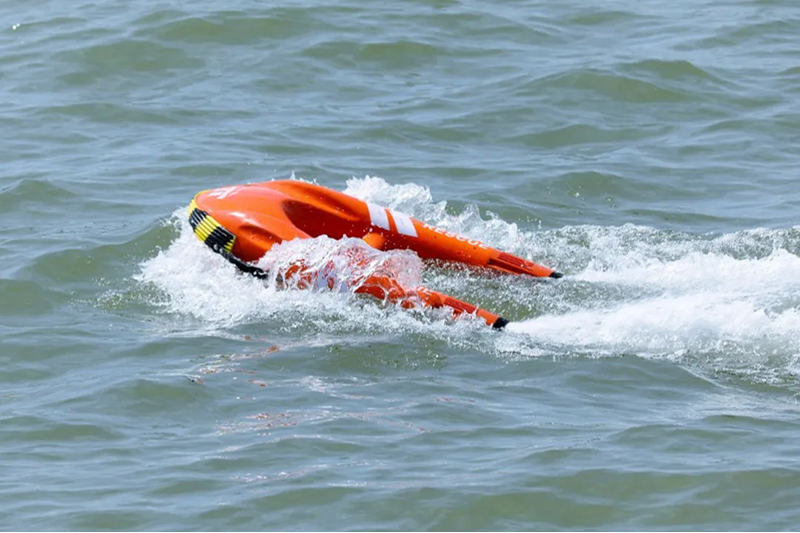
ໂລກຂອງການຊ່ວຍເຫຼືອໃນນ້ຳ ກຳລັງປ່ຽນແປງຢ່າງໄວວ່າດ້ວຍເຕັກໂນໂລຊີທີ່ທັນສະໄໝ ແລະ ຫຸ່ນຍົນ. ເຕັກໂນໂລຊີເຫຼົ່ານີ້ບໍ່ໄດ້ຖືກອອກແບບມາເພື່ອແທນທີ່ນັກຊ່ວຍເຫຼືອທີ່ເປັນມະນຸດ ແຕ່ຈະເຮັດໃຫ້ການຊ່ວຍເຫຼືອດີຂຶ້ນ. ສົນໃຈກັບເຄື່ອງຊ່ວຍເຫຼືອທີ່ຄວບຄຸມໄດ້ຈາກໄລຍະໄກ ເຊິ່ງສາມາດປ່ອຍອຸປະກອນຊ່ວຍເຫຼືອທີ່ເຮັດໃຫ້ລອຍນ້ຳໄດ້ໂດຍບໍ່ຕ້ອງໃຫ້ໃຜກໍຕາມລຸກເຂົ້າໄປໃນນ້ຳທີ່ມີຄວາມສ່ຽງ. ບໍ່ມີການວ່າຍທີ່ອັນຕະລາຍອີກຕໍ່ໄປເມື່ອມີຄົນຕິດຢູ່ໃນກະແສນ້ຳທີ່ໄຫຼໄວ. ເຮືອບິນບັນທຸກທີ່ມີຂະໜາດນ້ອຍກໍກຳລັງເຮັດໃຫ້ເກີດຄື້ນເຊັ່ນກັນ. ມັນສາມາດປ່ອຍອຸປະກອນຊ່ວຍເຫຼືອທີ່ມີ GPS ຄູ່ມືໄດ້ພາຍໃນ 90 ວິນາທີ, ເຊິ່ງໄວກວ່າເຮືອທຳມະດາເຖິງສາມເທົ່າ. ນອກຈາກນີ້ ເຮືອບິນເຫຼົ່ານີ້ຍັງມີກ້ອງທີ່ສາມາດສະແດງສິ່ງທີ່ເກີດຂຶ້ນໃນເວລາຈິງ, ລວມທັງວິດີໂອຄຸນນະພາບສູງ (HD) ແລະ ການຖ່າຍຮູບດ້ວຍຄວາມຮ້ອນ (thermal imaging) ເພື່ອໃຫ້ນັກຊ່ວຍເຫຼືອເຫັນໄດ້ເຖິງພາຍໃນນ້ຳທີ່ຂຸ່ນ. ເຕັກໂນໂລຊີລ້າສຸດປະກອບດ້ວຍ AI ທີ່ສາມາດຈັບພົບຄົນທີ່ຢູ່ໃນສະຖານະການອັນຕະລາຍ ເຖິງແມ່ນຈະມີທັດສະນະທີ່ບໍ່ດີກໍຕາມ, ໂດຍຜົນການທົດສອບສະແດງໃຫ້ເຫັນວ່າມັນມີຄວາມຖືກຕ້ອງຫຼາຍກວ່າ 90% ຂອງເວລາທັງໝົດ. ສິ່ງນີ້ຊ່ວຍຫຼຸດເວລາທີ່ໃຊ້ໃນການຄົ້ນຫາ ແລະ ຊ່ວຍໃຫ້ທີມງານມີສິ່ງທີ່ຕ້ອງກັງວົນໆໜ້ອຍລົງໃນເວລາເກີດເຫດສຸກເສີນ. ເຄື່ອງມືທັງໝົດເຫຼົ່ານີ້ເຮັດວຽກຮ່ວມກັບອຸປະກອນທຳມະດາເຊັ່ນ: ເສື້ອກູ້ຊີວິດ ແລະ ເສື້ອກູ້ຊີວິດ ເພື່ອສ້າງລະບົບຄວາມປອດໄພທີ່ອີງໃສ່ການເຮັດວຽກຢ່າງໄວ, ຜົນໄດ້ຮັບທີ່ຖືກຕ້ອງ ແລະ ຮັກສາຄວາມປອດໄພຂອງມະນຸດໃຫ້ຫ່າງຈາກອັນຕະລາຍໃນທຸກໆຄັ້ງທີ່ເປັນໄປໄດ້. ໃນທີ່ສຸດ, ເຕັກໂນໂລຊີເຫຼົ່ານີ້ຊ່ວຍໃຫ້ບັນລຸເປົ້າໝາຍທີ່ສຳຄັນທີ່ສຸດໃນການຊ່ວຍເຫຼືອໃນນ້ຳ: ການຊ່ວຍຊີວິດຢ່າງມີປະສິດທິຜົນ, ການເຮັດວຽກຢ່າງມີປະສິດທິພາບ ແລະ ການຮັກສາຄວາມຮັບຜິດຊອບຂອງພວກເຮົາໃນການປ້ອງກັນຄົນອື່ນ.
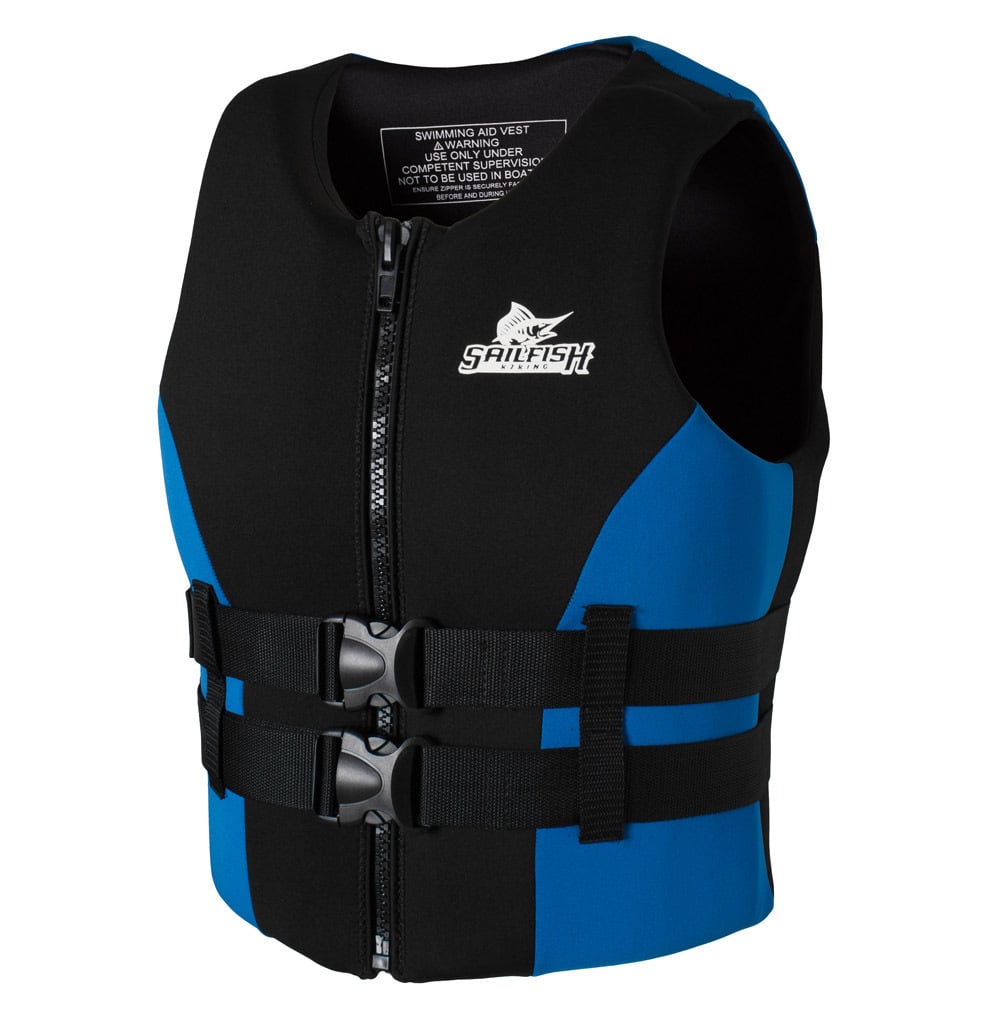
ອຸປະກອນຊ່ວຍເຫຼືອໃຫ້ລອດຈາກການຈົມນ້ຳ (PFDs) ແມ່ນມີຄວາມສຳຄັນຢ່າງຍິ່ງໃນການຮັກສາທັງຜູ້ຊ່ວຍເຫຼືອ ແລະ ຜູ້ຖືກເຄາະຮ້າຍໃຫ້ຢູ່ເທິງນ້ຳໃນระหว່າງການດຳເນີນການຊ່ວຍເຫຼືອໃນນ້ຳ. ມັນມາພ້ອມດ້ວຍລະບົບຮັດຕິງທີ່ສາມາດປ່ອຍໄດ້ຢ່າງໄວວາ ແລະ ຈຸດເຊື່ອມທີ່ແຂງແຮງເພື່ອເຊື່ອມຕໍ່ເຂົ້າກັບເສື້ອກັນໄຟ ເພື່ອຮັບປະກັນຄວາມປອດໄພໃນນ້ຳທີ່ໄຫຼໄວ ຫຼື ນ້ຳທີ່ມີຄວາມຮຸນແຮງ.
ຄວາມຫຼັກ (Buoyancy) ແມ່ນມີຄວາມສຳຄັນຢ່າງຍິ່ງເພາະມັນຮັບປະກັນວ່າບຸກຄົນຈະຢູ່ເທິງນ້ຳໄດ້ຢ່າງຕໍ່ເນື່ອງ ໂດຍເປັນພິເສດໃນນ້ຳທີ່ໄຫຼໄວ ຫຼື ໃນສະພາບການທີ່ບໍ່ເອື້ອອຳນວຍ. ອຸປະກອນມືອາຊີບຕ້ອງສອດຄ່ອງຕາມມາດຕະຖານ EN ISO ໂດຍຕ້ອງໃຫ້ຄວາມຫຼັກຢ່າງໜ້ອຍ 170N ໃນນ້ຳທີ່ເງີບ ແລະ ເພີ່ມຂຶ້ນເຖິງ 300N ໃນສະພາບການທີ່ທ້າທາຍຫຼາຍຂຶ້ນ.
ສິ່ງປຸກສ້າງໃໝ່ທີ່ກຳລັງເກີດຂຶ້ນເຊັ່ນ: ເຄື່ອງຊ່ວຍເຫຼືອຮູບແບບຫຼາຍທີ່ຄວບຄຸມໄດ້ຈາກໄລຍະໄກ, ອຸປະກອນຊ່ວຍເຫຼືອທີ່ມີລະບົບ GPS, ເຮືອບິນບໍ່ມີຄົນຂັບ (drones) ທີ່ມີກ້ອງວີດີໂອຄຸນນະພາບສູງ (HD) ແລະ ກ້ອງຖ່າຍຮູບແບບຄວາມຮ້ອນ, ແລະ ປັນຍາປະດິດທີ່ໃຊ້ໃນການຄົ້ນຫາບຸກຄົນທີ່ຢູ່ໃນສະພາບອັນຕະລາຍ ລ້ວນແຕ່ເຮັດໃຫ້ການຊ່ວຍເຫຼືອໃນນ້ຳມີປະສິດທິພາບດີຂຶ້ນ ໂດຍການປັບປຸງໃຫ້ການດຳເນີນການໄດ້ຢ່າງໄວວາ ແລະ ມີຄວາມຖືກຕ້ອງ.
ພວກເຮົາມີເປົ້າໝາຍທີ່ຈະສ້າງຄວາມຕື່ນເຕັ້ນໃຫ້ກັບອຸດສາຫະກໍາດ້ວຍຄວາມຄິດສ້າງສັນຢູ່ສະເໝີ ໃນຂະນະທີ່ສະໜອງມູນຄ່າການໃຊ້ງານທີ່ສູງໃຫ້ແກ່ລູກຄ້າ. Havospark ມັກຖືເອົາການປະດິດສ້າງເປັນຫຼັກການອັນດັບໜຶ່ງສໍາລັບການພັດທະນາຜະລິດຕະພັນ.
501, Building 1, Boying Building, No.18 Qingshuihe Third Road, Qingshuihe Community, Qingshuihe Sub-District,Luohu District, Shenzhen
Copyright © Shenzhen Hoverstar Innovations Technology Co. , Ltd. All Rights Reserved. ນະໂຍບາຍຄວາມເປັນສ່ວນຕົວ
 EN
EN
 ຂ່າວຮ້ອນ