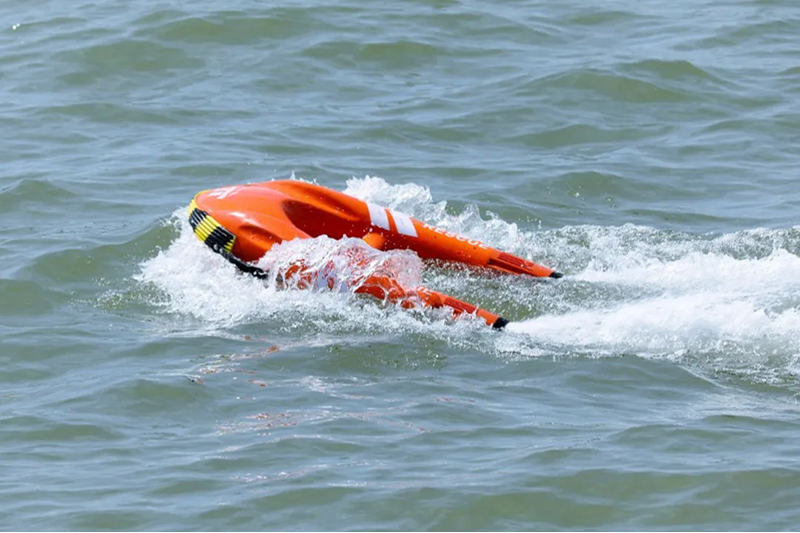
जल बचाव के महत्वपूर्ण क्षेत्र में, जहाँ प्रत्येक सेकंड गिनती में आता है और पर्यावरणीय स्थितियाँ अप्रत्याशित होती हैं, उपकरण का चयन जीवन और मृत्यु के बीच का अंतर निर्धारित कर सकता है। पेशेवर टीमें पारंपरिक पोतों से आगे बढ़कर उन्नत, प्रौद्योगिकी-आधारित समाधानों को अपनाने की ओर बढ़ रही हैं। इनमें से, इलेक्ट्रिक जेट बोट विद्युत जेट नाव इलेक्ट्रिक जेट बोट पेशेवर जल बचाव मिशनों के लिए
पेशेवर जल उद्धार अभियानों में एक विशिष्ट चुनौतियों का समूह होता है, जिन्हें मानक मनोरंजनात्मक नावें पूरी तरह से पूरा नहीं कर सकतीं। उद्धार दल खतरनाक परिस्थितियों में कार्य करते हैं—चाहे वह तीव्र बाढ़ के पानी हों, तूफानी समुद्र हों या भीड़-भाड़ वाले सार्वजनिक जलमार्ग हों—जिनके लिए अतुलनीय विश्वसनीयता, मोड़दार क्षमता (मैन्युवरेबिलिटी) और सुरक्षा की आवश्यकता होती है।
गति और प्रतिक्रिया समय: उद्धार कार्य अक्सर समय-संवेदनशील परिस्थितियों में होते हैं। किसी वाहन को त्वरित तैनाती और उच्च गति से यात्रा करने की क्षमता होनी चाहिए ताकि पीड़ितों तक शीघ्रता से पहुँचा जा सके।
मोड़दार क्षमता और सटीकता: बाधाओं के चारों ओर नेविगेट करना, संकटग्रस्त व्यक्तियों के बिल्कुल पास तक पहुँचना या प्रबल धाराओं में स्थिर स्थिति बनाए रखना—इन सभी के लिए अत्युत्तम नियंत्रण क्षमता की आवश्यकता होती है।
उथले जल और मलबे से भरे वातावरण: बाढ़ उद्धार कार्य अक्सर उथले, मलबे से भरे जल में संचालन के साथ जुड़े होते हैं, जहाँ प्रोपेलर-चालित नावें क्षति और उलझन के प्रति संवेदनशील होती हैं।
ऑपरेटर और पीड़ित की सुरक्षा: जहाज को बचाव कर्मियों के लिए एक स्थिर मंच प्रदान करना आवश्यक है, ताकि वे कार्य कर सकें और पीड़ितों की सुरक्षित बरामदगी सुनिश्चित कर सकें, जो अक्सर थके हुए या घायल होते हैं।
पर्यावरणीय जिम्मेदारी और संचालन दक्षता: एजेंसियाँ अपने पर्यावरणीय प्रभाव और दीर्घकालिक संचालन लागतों—जैसे ईंधन, रखरखाव और प्रशिक्षण एवं संचालन के दौरान शोर प्रदूषण—के प्रति बढ़ती जागरूकता रख रही हैं।
एक अच्छी तरह से डिज़ाइन किए गए इलेक्ट्रिक जेट बोट इन मुख्य आवश्यकताओं को सीधे पूरा करता है, जो पारंपरिक आंतरिक दहन इंजन वाली नावों की तुलना में एक महत्वपूर्ण उन्नति प्रदान करता है, जिनमें स्टर्न ड्राइव या आउटबोर्ड प्रोपेलर होते हैं।
श्रेष्ठ जेट प्रणोदन प्रणाली: इसका मुख्य लाभ इसके जेट ड्राइव में निहित है। पानी को अंदर खींचकर और उच्च दबाव पर बाहर निकालकर, एक इलेक्ट्रिक जेट बोट अद्वितीय धक्का प्राप्त करता है, बिना किसी बाहरी घूर्णन प्रोपेलर के। इससे बहुत उथले पानी में सुरक्षित संचालन संभव हो जाता है और जहाज को कचरे के प्रति अत्यधिक प्रतिरोधी बना दिया जाता है।
त्वरित टॉर्क और गतिशील नियंत्रण: इलेक्ट्रिक मोटरें तुरंत अधिकतम टॉर्क प्रदान करती हैं, जिससे स्थिर अवस्था से ही विस्फोटक त्वरण संभव हो जाता है। जेट पंप के दिशात्मक थ्रस्ट के साथ इसके संयोजन से चुस्त घूर्णन, अचानक रुकना और सटीक पार्श्व गतियाँ संभव होती हैं—जो बचाव के दौरान सीमित स्थानों में मैन्युवर करने के लिए आवश्यक हैं।
शामक और उत्सर्जन-मुक्त संचालन: इलेक्ट्रिक पावरट्रेन की शामक प्रकृति पीड़ितों और बचाव कर्मियों दोनों के लिए ध्वनि-प्रेरित तनाव को कम करती है तथा स्पष्ट मौखिक संचार की अनुमति देती है। शून्य उत्सर्जन का अर्थ है कि इलेक्ट्रिक जेट बोट संवेदनशील पारिस्थितिक क्षेत्रों और संवृत स्थानों में बिना धुएँ के संचालित किया जा सकता है, जिससे वातावरण और क्रू के स्वास्थ्य दोनों की रक्षा होती है।
रखरखाव में कमी और विश्वसनीयता: डीजल या गैसोलीन इंजन की तुलना में इसमें गतिमान भागों की संख्या काफी कम होती है—कोई जटिल गियरबॉक्स, तेल परिवर्तन या ईंधन लाइन संबंधी समस्याएँ नहीं—एक उच्च-गुणवत्ता वाला इलेक्ट्रिक जेट बोट उन्नत विश्वसनीयता और आजीवन कम रखरखाव लागत प्रदान करता है, जिससे आपातकालीन कॉल-आउट्स के लिए तैयारी सुनिश्चित होती है।
सही का चयन इलेक्ट्रिक जेट बोट पेशेवर उपयोग के लिए विशिष्ट विशेषताओं की जांच आवश्यक होती है, जो मूल विद्युत जेट प्रणोदन अवधारणा से परे की होती हैं।
स्वचालित पलटने की क्षमता: अंतिम सुरक्षा विशेषता। एक पेशेवर-ग्रेड इलेक्ट्रिक जेट बोट को तूफानी परिस्थितियों में पलट जाने की स्थिति में स्वचालित रूप से सही स्थिति में लौटने के लिए डिज़ाइन किया जाना चाहिए, जिससे चालक दल की सुरक्षा सुनिश्चित हो और तुरंत संचालन जारी रहे।
मजबूत, अडूब निर्माण: हल का निर्माण समुद्री-ग्रेड एल्युमीनियम या समग्र सामग्री जैसी टिकाऊ सामग्रियों से किया जाना चाहिए, जिनमें एकीकृत, सील किए गए तैराकी तत्व शामिल हों, जिससे यह भरे जाने पर भी लगभग अडूब बना रहे।
स्थिर बचाव प्लेटफॉर्म: एक चौड़ी चौड़ाई (बीम) और स्थिर हल रूप चिकित्सकों को प्राथमिक चिकित्सा प्रदान करने और पीड़ितों को जहाज पर खींचने के लिए एक सुरक्षित मंच प्रदान करते हैं।
उच्च-क्षमता बैटरी प्रणाली: विस्तारित मिशनों या एकल चार्ज पर कई बचाव अभियानों के लिए पर्याप्त संचालन रेंज सुनिश्चित करने के लिए, समुद्री-श्रेणी की लिथियम बैटरी प्रणालियों की खोज करें जिनकी क्षमता (किलोवाट-घंटा रेटिंग) महत्वपूर्ण हो।
त्वरित चार्जिंग क्षमता: त्वरित टर्नअराउंड के लिए ऑपरेशन्स के बीच तीव्र चार्जिंग प्रोटोकॉल का समर्थन आवश्यक है, जिससे फ्लीट की उपलब्धता को अधिकतम किया जा सके।
शक्तिशाली जेट पंप प्रदर्शन: जेट पंप को निरंतर उच्च-भार ऑपरेशन को संभालने के लिए इंजीनियर किया गया होना चाहिए, जो तीव्र धाराओं के विरुद्ध भी स्थिर थ्रस्ट प्रदान करे।
मॉड्यूलर अटैचमेंट बिंदु: डेक और गनवेल्स पर खोज लाइट्स, लाउडस्पीकर्स, चिकित्सा उपकरण या स्ट्रेचर प्रणालियों को माउंट करने के लिए मजबूत, मानकीकृत बिंदु होने चाहिए।
रिमोट कंट्रोल और स्वायत्त कार्यक्षमता: उच्च-जोखिम वाली स्थितियों के लिए, इलेक्ट्रिक जेट बोट दूरस्थ नियंत्रण या पूर्व-कार्यक्रमित GPS मार्गों के माध्यम से संचालित करने की क्षमता उद्धारकर्ताओं को खतरनाक क्षेत्रों में नाव भेजने की अनुमति दे सकती है, जबकि वे सुरक्षित दूरी पर ही बने रहते हैं। यह क्षेत्र में नवाचारकों द्वारा लागू की जा रही अग्रणी "ड्रोन तकनीकों" के साथ संरेखित है।
व्यापक डिजिटल डैशबोर्ड: एक सहज, जलरोधक प्रदर्शन जो बैटरी स्थिति, गति, GPS स्थान और प्रणाली निदान सहित महत्वपूर्ण डेटा प्रदान करता है, यह संचालन संबंधी निर्णय लेने के लिए आवश्यक है।
पेशेवर-स्तर का इलेक्ट्रिक जेट बोट अब कोई भविष्य की कल्पना नहीं रही है, बल्कि आधुनिक जल उद्धार टीमों के लिए वर्तमान में एक आवश्यकता बन गई है। यह तीव्र, लचीले और सुरक्षित प्रतिक्रिया की अपेक्षा को स्थायी, कम-रखरखाव वाले संचालन की बढ़ती आवश्यकता के साथ सफलतापूर्वक एकीकृत करता है। आदर्श जलयान को एक मजबूत, स्वचालित उलटने योग्य हल्क (हल), उच्च-प्रदर्शन विद्युत जेट प्रणोदन प्रणाली जिसमें पर्याप्त संचालन अवधि हो, और मिशन-महत्वपूर्ण प्रौद्योगिकी को एकीकृत करने की लचीलापन के संगम द्वारा परिभाषित किया जाता है। उन्नत ड्रोन तकनीकों के अनुप्रयोग में नेतृत्व करने वाले के रूप में, ड्रोन तकनीकों समुद्री सुरक्षा के लिए, हैवोस्पार्क जैसी कंपनियाँ इस विकास के अग्रणी में हैं, जो बुद्धिमान जल उद्धार उपकरणों का इंजीनियरिंग कर रही हैं जो पेशेवरों को अधिक जीवन बचाने, अधिक प्रभावी ढंग से और पहले की तुलना में अधिक सुरक्षित तरीके से सक्षम बनाती हैं। जब आप एक इलेक्ट्रिक जेट बोट का मूल्यांकन कर रहे हों तो अपनी एजेंसी के जीवन-रक्षक मिशनों के लिए, इन मुख्य विशेषताओं को प्राथमिकता देना सुनिश्चित करेगा कि आप एक ऐसे मंच में निवेश कर रहे हैं जो पेशेवर जल उद्धार की गहन चुनौतियों को पूरा करने में सक्षम है।
हम हमेशा अपने ग्राहकों को उच्च उपयोगकर्ता मूल्य प्रदान करते हुए सृजनात्मकता के साथ उद्योग को रोमांचित करने का लक्ष्य रखते हैं। हवोस्पार्क हमेशा उत्पाद विकास के लिए नवाचार को प्रथम सिद्धांत के रूप में देखता है।
501, Building 1, Boying Building, No.18 Qingshuihe Third Road, Qingshuihe Community, Qingshuihe Sub-District,Luohu District, Shenzhen
Copyright © Shenzhen Hoverstar Innovations Technology Co. , Ltd. All Rights Reserved. गोपनीयता नीति
 EN
EN
 गर्म समाचार